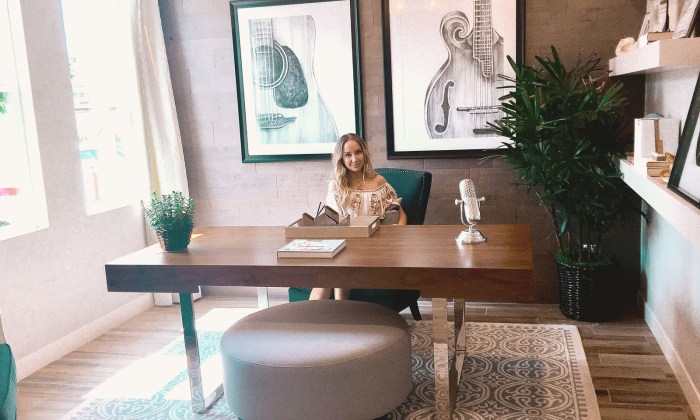
Embark on a journey into the world of Feng Shui tips for the office, where the balance of energy and design converge to create a harmonious workspace that boosts productivity and fosters well-being.
Learn about the principles of Feng Shui that can transform your office into a thriving environment for success and positivity.
Feng Shui Tips for Office
Creating a harmonious and balanced environment in the office is essential for promoting productivity, creativity, and overall well-being. Incorporating Feng Shui principles in office design can help achieve this by enhancing the flow of positive energy, known as chi, throughout the space.
Common Feng Shui Principles for Office Spaces
- Avoid placing your desk facing a wall, as it can create a sense of confinement and limit opportunities. Instead, position your desk in a command position facing the door to promote a sense of empowerment and control.
- Keep your workspace clutter-free to allow the chi to flow freely. Clutter can create stagnant energy and hinder productivity.
- Introduce elements of nature such as plants, natural light, and water features to bring a sense of balance and tranquility to the office environment.
- Use colors strategically to enhance different areas of your office. For example, blue can promote calmness and focus, while green represents growth and creativity.
Impact of Feng Shui on Productivity and Well-being in the Workplace
By implementing Feng Shui principles in the office, employees can experience improved focus, creativity, and overall well-being. A well-balanced and harmonious workspace can reduce stress levels, increase motivation, and foster positive relationships among colleagues. Ultimately, incorporating Feng Shui in office design can lead to a more productive and fulfilling work environment for everyone.
Home Inspections
When buying or selling a home, a thorough home inspection is essential to ensure the property is in good condition and identify any potential issues that may need to be addressed. A home inspection is typically carried out by a qualified professional who examines various aspects of the property to provide an accurate assessment.
Key Areas in a Home Inspection
During a home inspection, the following key areas are typically inspected:
- Structural components such as the foundation, walls, and roof
- Plumbing systems, including pipes, drains, and fixtures
- Electrical systems, such as wiring, outlets, and circuit breakers
- Heating, ventilation, and air conditioning (HVAC) systems
- Appliances and other built-in features
- Exterior features like the siding, windows, and landscaping
- Interior features including walls, ceilings, floors, and stairs
It is important for both buyers and sellers to have a home inspection to ensure transparency and peace of mind during the real estate transaction.
Kitchen Improvements
When it comes to improving your kitchen, there are several cost-effective ways to enhance both the aesthetics and functionality of the space. Whether you’re looking to update the design or maximize the available space, these tips can help you achieve a more harmonious kitchen environment.
Cost-Effective Kitchen Upgrades
- Painting cabinets instead of replacing them can give your kitchen a fresh look without breaking the bank.
- Updating hardware such as drawer pulls and knobs can instantly modernize the appearance of your kitchen.
- Adding a backsplash is a relatively inexpensive way to add style and protect your walls from splatters.
Latest Trends in Kitchen Design
- Open shelving is a popular trend that creates an airy feel and allows you to showcase your favorite dishes or decor.
- Smart appliances are becoming increasingly popular, offering convenience and efficiency in the kitchen.
- Integrated lighting solutions, such as under-cabinet lighting, can enhance both the ambiance and functionality of your kitchen space.
Maximizing Space and Functionality
- Utilize vertical storage solutions, such as hanging pot racks or shelves, to free up counter and cabinet space.
- Consider installing a kitchen island with built-in storage to provide additional workspace and organization.
- Opt for multipurpose furniture, like a kitchen table with storage compartments or a rolling cart that can be used for meal prep and serving.
Home Improvement and Furniture
When embarking on home improvement projects, the choice of furniture plays a crucial role in enhancing the overall look and feel of your space. The right furniture can complement the design aesthetic, improve functionality, and create a harmonious atmosphere within your home.
Integration of Furniture in Home Improvement Projects
- Consider furniture as part of the overall design plan: Before starting any home improvement project, think about how different pieces of furniture can fit into the new layout or theme you envision.
- Choose furniture that serves multiple purposes: Opt for versatile pieces that can be used in various rooms or settings, providing both functionality and style.
- Focus on quality and durability: Investing in well-made furniture ensures longevity and adds value to your home improvement efforts.
- Experiment with different styles and materials: Mixing and matching furniture styles can add visual interest and personality to your home, making it unique and inviting.
- Customize furniture to fit your space: Consider custom-made or adjustable furniture pieces to maximize space and tailor them to your specific needs.
Flooring
When it comes to choosing the right flooring for your home, there are several factors to consider. From the overall design aesthetic to the functionality and durability, each type of flooring has its own set of pros and cons. Let’s take a look at some popular flooring options and how they can impact your living space.
Comparing Different Flooring Materials
- Hardwood Flooring: Known for its timeless appeal and durability, hardwood flooring adds warmth and elegance to any room. However, it can be prone to scratches and water damage.
- Laminate Flooring: A cost-effective alternative to hardwood, laminate flooring is easy to install and maintain. It may not have the same longevity as hardwood, but it is resistant to scratches and moisture.
- Tile Flooring: Tile flooring is a versatile option that comes in a variety of materials such as ceramic, porcelain, and natural stone. It is highly durable and easy to clean, making it ideal for high-traffic areas.
- Carpet Flooring: Carpet provides comfort and warmth underfoot, making it a popular choice for bedrooms and living rooms. However, it can trap dust and allergens, requiring regular cleaning.
Tips for Choosing the Right Flooring
- Consider the room usage: High-traffic areas like the living room or kitchen may benefit from durable flooring like tile or hardwood, while bedrooms can be cozy with carpet.
- Match the design aesthetic: Choose flooring that complements the overall style of your home, whether it’s modern, rustic, or traditional.
- Think about maintenance: Some flooring options require more upkeep than others, so consider your lifestyle and how much time you can dedicate to cleaning and maintenance.
Furniture
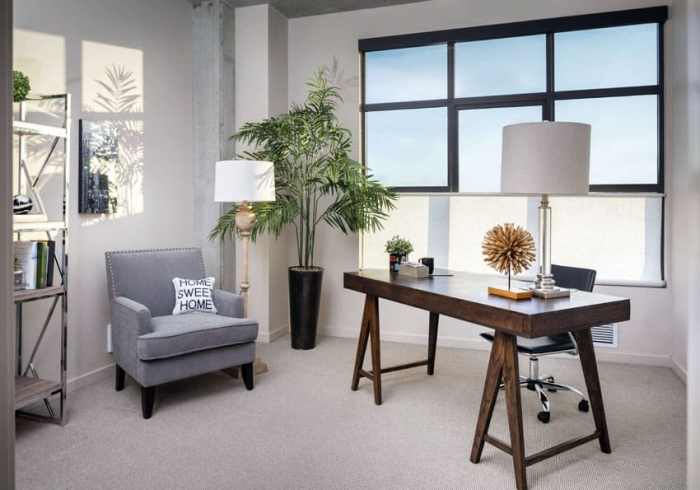
When it comes to furniture trends for homes, staying updated is essential to create a modern and stylish living space. From minimalist designs to bold statement pieces, there are a variety of options to choose from that can elevate the overall look of your home.In today’s world, sustainability and eco-friendliness are becoming increasingly important factors to consider when selecting furniture.
Opting for pieces made from recycled materials, sustainably sourced wood, or eco-friendly fabrics can not only help reduce your carbon footprint but also add a unique touch to your home decor.Arranging furniture in different room layouts can make a significant impact on both the functionality and aesthetics of a space. Whether you’re working with a small apartment or a spacious house, knowing how to place furniture pieces strategically can maximize space, create a harmonious flow, and enhance the overall ambiance of the room.
Latest Furniture Trends
- Incorporating natural elements like wood and stone into furniture design for a rustic yet modern look.
- Mixing and matching different styles, such as vintage pieces with contemporary furniture, to create an eclectic and personalized space.
- Opting for multipurpose furniture like storage ottomans or convertible sofas to maximize space in smaller rooms.
Sustainable and Eco-friendly Options
- Choosing furniture made from reclaimed or recycled materials to reduce waste and promote sustainability.
- Selecting pieces from brands that prioritize eco-friendly practices, such as using non-toxic finishes or organic fabrics.
- Investing in timeless furniture pieces that are built to last, reducing the need for frequent replacements.
Tips for Arranging Furniture
- Consider the function of the room and arrange furniture accordingly to optimize usability.
- Create designated areas for different activities, such as a reading nook or a conversation corner, to define spaces within a room.
- Use rugs, lighting, and accessories to tie furniture pieces together and create a cohesive look.
Green Living
Green living is a lifestyle that focuses on reducing our impact on the environment by making sustainable choices in our daily lives. By adopting eco-friendly practices, we can help conserve natural resources, reduce pollution, and create a healthier planet for future generations.
Practical Tips for Incorporating Sustainable Practices at Home
- Avoid single-use plastics by using reusable bags, containers, and water bottles.
- Conserve energy by turning off lights and unplugging electronics when not in use.
- Reduce water usage by fixing leaks, installing low-flow fixtures, and watering plants efficiently.
- Choose energy-efficient appliances and light bulbs to lower electricity consumption.
- Recycle paper, glass, metal, and plastic to minimize waste sent to landfills.
Eco-Friendly Home Products and Materials for Green Living
- Opt for bamboo flooring, which is sustainable and renewable compared to hardwood.
- Use non-toxic paints and finishes to improve indoor air quality and reduce harmful emissions.
- Select furniture made from reclaimed or recycled materials to promote resource conservation.
- Install solar panels to harness clean energy and reduce reliance on fossil fuels.
- Choose organic bedding and textiles made from natural fibers to avoid harmful chemicals.
Interior Design and Decorating
Creating a harmonious living space through interior design is essential for the overall ambiance and energy flow of a home. By carefully selecting color schemes, furniture, and decor elements, you can enhance the mood and functionality of each room.
The Importance of Color Schemes
Color plays a significant role in setting the tone of a room. Choose colors that resonate with your personality and create the desired atmosphere. For example, warm tones like red and orange can stimulate energy, while cool tones like blue and green promote relaxation.
Selecting Furniture and Decor Elements
When choosing furniture, consider both style and comfort. Opt for pieces that not only reflect your personal taste but also fit the scale and layout of the room. Decor elements such as artwork, rugs, and lighting can add character and depth to the space.
Incorporating Personal Style
Infuse your personal style into the design by incorporating items that hold sentimental value or represent your interests. Mixing vintage finds with modern pieces, or adding personal touches like family photos, can make your space feel uniquely yours.
Bath and Shower
When it comes to bath and shower fixtures, there are various types to choose from, each offering different features and benefits. From traditional showerheads to modern rain shower systems, the options are endless.
Types of Bath and Shower Fixtures
- Traditional Showerheads: These fixtures are the classic choice for most bathrooms, offering a simple and functional design.
- Rain Shower Systems: For a luxurious spa-like experience, consider installing a rain shower system that provides a gentle cascade of water.
- Handheld Showerheads: These versatile fixtures allow for easy rinsing and cleaning, making them a practical choice for any bathroom.
Latest Trends in Bathroom Design and Renovation
- Minimalist Design: Clean lines, neutral colors, and clutter-free spaces are all the rage in modern bathroom design.
- Smart Technology: From digital shower controls to heated floors, integrating smart technology into the bathroom is a growing trend.
- Statement Tiles: Bold and eye-catching tiles are being used to create focal points in the bathroom, adding a touch of personality to the space.
Creating a Spa-like Experience in the Bathroom
- Use calming colors like soft blues and greens to create a soothing atmosphere.
- Incorporate natural elements such as plants, wood accents, and stone surfaces for a relaxing feel.
- Invest in plush towels, a comfortable bath mat, and scented candles to enhance the spa-like experience.
House Plans
When designing house plans, the process involves carefully considering the layout, size, and functionality of the space to create a blueprint for construction. This includes determining the number of rooms, their sizes, placement, and overall flow of the house.Key considerations when selecting or customizing house plans include the needs and lifestyle of the occupants, budget constraints, local building codes, and environmental factors.
It is important to choose a design that not only meets the practical requirements of the household but also reflects their personal style and preferences.
Optimizing Space and Functionality
To optimize space and functionality in house plans, consider the following tips:
- Maximize natural light by incorporating large windows and skylights.
- Create open floor plans to enhance flow between rooms and make the space feel more spacious.
- Utilize built-in storage solutions to minimize clutter and make the most of available space.
- Design multi-functional rooms that can serve more than one purpose, such as a home office that doubles as a guest bedroom.
- Consider the placement of utilities and ensure efficient use of space for plumbing, electrical, and HVAC systems.
Feng Shui
Feng Shui is an ancient Chinese practice that focuses on harmonizing individuals with their surrounding environment. The principles of Feng Shui are based on creating a balanced and harmonious living space to promote health, happiness, and prosperity.
Incorporating Feng Shui in Home Design
When incorporating Feng Shui in home design, it is essential to consider the layout and arrangement of furniture, colors, and elements within each room. By following the principles of Feng Shui, you can create a space that enhances positive energy flow and promotes overall well-being.
- Ensure that the entrance to your home is unobstructed and inviting to allow positive energy to flow into the space.
- Place your bed, desk, and stove in the commanding position in their respective rooms to feel empowered and in control.
- Use a balance of colors, such as earth tones, blues, and greens, to create a calming and relaxing atmosphere.
- Incorporate elements of nature, such as plants and natural light, to bring in positive energy and vitality.
Home Improvement
Embarking on home improvement projects can be exciting but daunting, especially for beginners. It’s essential to have a clear plan in place before starting any work to ensure a successful outcome.
When it comes to home improvement, budgeting is key. Setting a realistic budget will help you prioritize tasks, avoid overspending, and make informed decisions throughout the process. Planning ahead and researching costs can save you time and money in the long run.
Beginner’s Guide to Home Improvement
- Start with small projects to gain confidence and experience.
- Invest in quality tools and materials for better results.
- Consider hiring professionals for complex tasks if unsure of your skills.
Importance of Budgeting and Planning
- Creating a budget helps you allocate funds wisely and prevent unnecessary expenses.
- Planning ahead allows you to set realistic goals and timelines for your projects.
- Researching costs and materials can help you make informed decisions and avoid surprises.
Common DIY Home Improvement Ideas
- Painting walls and cabinets to refresh the look of a room.
- Installing new fixtures or hardware for an instant upgrade.
- Adding shelving or storage solutions to maximize space and organization.
Heating and Air Conditioning
When it comes to creating a comfortable living environment, having the right heating and air conditioning systems is crucial. Not only do they keep your home at the perfect temperature, but they also play a significant role in energy efficiency and indoor air quality.
Comparison of Heating and Cooling Systems
There are several types of heating and cooling systems available for homes, each with its own pros and cons. Here is a comparison of some common options:
- Forced Air Systems: These systems use ducts to distribute heated or cooled air throughout the home. They are popular for their ability to quickly heat or cool a space.
- Radiant Heating: This system warms the floor, walls, or ceiling directly, providing a more even heat distribution and reducing energy consumption.
- Ductless Mini-Split Systems: These systems are ideal for homes without ductwork and allow for personalized temperature control in different zones.
Energy-Efficient Heating and Air Conditioning
Energy-efficient heating and air conditioning systems not only help reduce your carbon footprint but also save you money on utility bills. Here are some options to consider:
- Heat Pumps: These systems are a great alternative to traditional furnaces and air conditioners, as they use electricity to move heat rather than generate it.
- Programmable Thermostats: Installing a programmable thermostat can help you regulate your home’s temperature more efficiently, adjusting it based on your schedule.
- Regular Maintenance: Keeping your heating and air conditioning systems well-maintained, such as changing filters regularly and scheduling professional inspections, can ensure they operate at peak efficiency.
Maintenance Tips for Heating and Air Conditioning Systems
Regular maintenance is key to ensuring your heating and air conditioning systems work effectively and last longer. Here are some tips on how to keep them in top condition:
- Clean or replace air filters every 1-3 months to improve airflow and indoor air quality.
- Clear debris and obstructions from outdoor units to prevent airflow restrictions and system inefficiency.
- Schedule annual professional inspections to identify any issues early and keep your systems running smoothly.
Elevate your office space with these Feng Shui tips to unlock its full potential, creating a conducive atmosphere for work and creativity while promoting a sense of balance and tranquility.
FAQ Summary
How can Feng Shui improve office productivity?
By creating a harmonious flow of energy in the office space, Feng Shui can enhance focus, creativity, and efficiency.
Are there specific Feng Shui principles for desk placement?
Yes, placing your desk in the power position, facing the door without being directly in line with it, is a common Feng Shui practice for optimal energy flow.
Can Feng Shui help reduce workplace stress?
Implementing Feng Shui elements like plants, natural light, and calming colors can create a soothing environment that aids in stress reduction.


