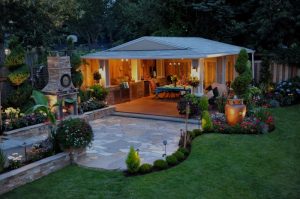
Embark on a journey into the world of Scandinavian interior design, where simplicity meets sophistication in a harmonious blend of modern elegance and functionality. From clean lines to cozy textures, discover the essence of this timeless aesthetic that continues to captivate design enthusiasts worldwide.
Explore the key elements that define Scandinavian interior design and learn how to infuse your space with its signature charm and versatility.
Scandinavian Interior Design
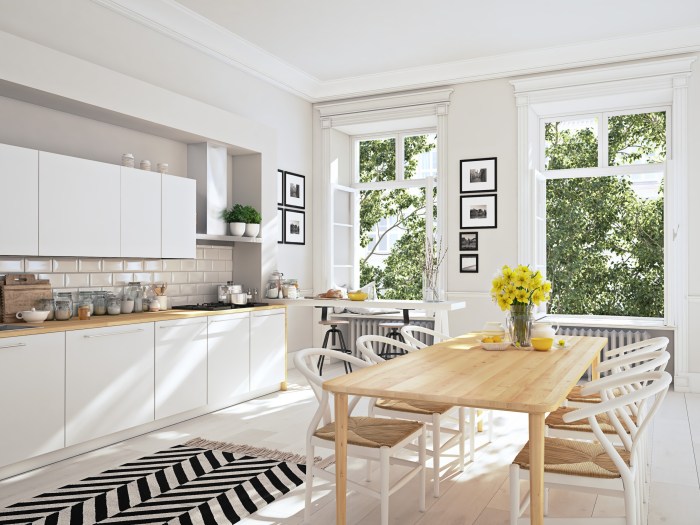
Scandinavian interior design is known for its simplicity, functionality, and minimalism. It focuses on creating a cozy and inviting atmosphere while emphasizing clean lines, natural materials, and a neutral color palette.
Key Characteristics of Scandinavian Interior Design
- Utilization of natural materials such as wood, stone, and leather.
- Neutral color palette with whites, grays, and earth tones.
- Minimalistic furniture and decor with clean lines and simple designs.
- Abundance of natural light and use of light-colored flooring to enhance brightness.
- Incorporation of cozy textiles like wool and fur for warmth and comfort.
Color Palettes in Scandinavian Interiors
Scandinavian interiors often feature a color palette that is light, airy, and calming. Some common color schemes include:
- White: To create a sense of spaciousness and brightness.
- Gray: To add depth and sophistication without overwhelming the space.
- Soft pastels: To introduce subtle pops of color while maintaining a serene ambiance.
Importance of Natural Light
Natural light plays a crucial role in Scandinavian design, as it helps to create a sense of openness and connection to the outdoors. Large windows, sheer curtains, and light-colored walls are used to maximize the amount of light entering the space.
Incorporating Minimalism
To achieve a minimalist look in Scandinavian decor, focus on decluttering and keeping only the essentials. Choose furniture with clean lines, opt for multifunctional pieces, and utilize storage solutions to maintain a streamlined and uncluttered space.
Home Inspections
When it comes to maintaining your home, regular inspections play a crucial role in identifying potential issues early on and ensuring the safety and functionality of your living space. By focusing on key areas during a home inspection and being prepared, you can address common issues effectively.
Key Areas to Focus On
- Structural integrity: Check for cracks in walls, foundation, or ceilings that may indicate structural issues.
- Plumbing: Look for leaks, water stains, or mold growth that could signify plumbing problems.
- Electrical systems: Ensure all outlets, switches, and wiring are functioning properly to prevent fire hazards.
- Roof and attic: Inspect for leaks, signs of water damage, or pests that can cause extensive damage.
- HVAC systems: Regularly service heating and cooling systems to maintain efficiency and prevent breakdowns.
Importance of Regular Home Inspections
Regular home inspections are essential for preventative maintenance, as they allow you to catch issues early before they escalate into costly repairs. By staying proactive and addressing problems promptly, you can ensure the longevity of your home and the safety of its occupants.
Tips for Home Inspection Preparation
- Clear access to all areas: Ensure inspectors can easily access key areas of your home for a thorough evaluation.
- Maintain documentation: Keep records of past inspections, repairs, and warranties to track maintenance history.
- Address minor repairs: Fix minor issues before the inspection to present a well-maintained home.
- Ask questions: Communicate with the inspector to understand their findings and recommendations for maintenance.
Common Issues Found During Inspections
- Water damage: Leaks in plumbing or roof can cause water damage and mold growth if not addressed promptly.
- Pest infestations: Insects or rodents can cause structural damage and health hazards if left unchecked.
- Electrical problems: Outdated wiring or faulty electrical components pose fire risks and should be repaired immediately.
- HVAC issues: Poorly maintained heating and cooling systems can lead to inefficiency and breakdowns.
Kitchen Improvements
When it comes to updating your kitchen, there are plenty of budget-friendly ideas that can make a big impact. From simple DIY projects to affordable upgrades, there are many ways to refresh the heart of your home without breaking the bank.
Budget-Friendly Kitchen Improvement Ideas
- Painting cabinets for a fresh new look
- Updating hardware for a modern touch
- Adding a backsplash for style and functionality
- Installing new lighting fixtures for better ambiance
- Organizing and decluttering to maximize space
Latest Trends in Kitchen Design and Improvements
- Open shelving for a more airy and modern feel
- Mixing metals for a trendy and eclectic look
- Smart appliances for convenience and efficiency
- Integrated technology for a seamless kitchen experience
Importance of Functional Layout in Kitchen Improvements
A well-thought-out layout is essential for a functional and efficient kitchen. Proper placement of appliances, work areas, and storage solutions can make a big difference in how you use your space on a daily basis.
Tips on Choosing the Right Materials for Kitchen Upgrades
- Opt for durable and easy-to-clean materials for countertops and flooring
- Consider the style and maintenance of different cabinet materials
- Choose high-quality finishes that can withstand daily wear and tear
- Look for eco-friendly options to reduce your carbon footprint
Home Improvement and Furniture
When it comes to home improvement, selecting the right furniture can make a significant difference in enhancing the overall design and functionality of a space. Furniture not only provides comfort and utility but also plays a crucial role in defining the style and ambiance of a room.
Types of Furniture Materials
Choosing the right furniture material is essential for both durability and aesthetics. Here are some common materials used in furniture construction:
- Wood: Known for its timeless appeal and durability, wooden furniture adds warmth and character to any space.
- Metal: Sleek and modern, metal furniture is often preferred for its contemporary look and sturdiness.
- Plastic: Lightweight and easy to clean, plastic furniture is a practical choice for outdoor or casual settings.
- Upholstery: Upholstered furniture offers comfort and style, with a wide range of fabrics and designs to choose from.
Role of Furniture in Home Design
The right furniture pieces can transform a room from ordinary to extraordinary. By selecting furniture that complements the overall design theme, you can create a cohesive and harmonious look that ties the space together.
Tips for Selecting Furniture
When choosing furniture for different rooms, consider the following tips:
- Measure the space to ensure the furniture fits properly and allows for easy movement.
- Consider the function of the room and choose furniture that serves that purpose effectively.
- Stick to a consistent style or color palette to create a cohesive look throughout the home.
- Don’t forget about comfort – prioritize pieces that are both stylish and comfortable for everyday use.
Impact of Furniture Placement
The way furniture is arranged in a room can significantly impact the aesthetics and functionality of the space. Proper placement can create flow, define zones, and maximize the use of available space, ultimately enhancing the overall design and ambiance of the room.
Flooring
When it comes to flooring options for different interior styles, there are several popular choices that can enhance the overall look and feel of a space. From classic hardwood to trendy laminate, each type of flooring has its own unique appeal.
Hardwood Flooring vs. Laminate
Hardwood flooring and laminate are two common choices for homeowners looking to upgrade their floors. Both options have their advantages and disadvantages, so it’s essential to consider your needs and preferences before making a decision.
- Hardwood Flooring:
- Pros:
- Timeless and elegant look
- Durable and long-lasting
- Increases home value
- Cons:
- Expensive upfront cost
- Requires regular maintenance
- Prone to scratches and water damage
- Pros:
- Laminate Flooring:
- Pros:
- Affordable alternative to hardwood
- Easy to install
- Low maintenance
- Cons:
- Not as durable as hardwood
- Difficult to repair scratches
- May not add as much value to the home
- Pros:
Choosing the Right Flooring
When selecting flooring for different rooms in your home, it’s crucial to consider the room’s usage and traffic flow. Here are some tips for choosing the right flooring based on room usage:
| Room | Ideal Flooring |
|---|---|
| Living Room | Hardwood or laminate for a classic look |
| Kitchen | Tile or vinyl for easy cleaning |
| Bedroom | Carpet for warmth and comfort |
Maintaining and Cleaning Flooring
Proper maintenance and cleaning are essential to keep your floors looking their best. Here are some tips for maintaining and cleaning different types of flooring:
- Hardwood Flooring:
- Use a damp mop for regular cleaning
- Avoid harsh chemicals that can damage the finish
- Invest in area rugs to protect high-traffic areas
- Laminate Flooring:
- Sweep or vacuum regularly to remove dirt and debris
- Use a damp cloth for spills and stains
- Avoid excessive water when cleaning to prevent warping
Green Living
Embracing green living in home design involves incorporating sustainable practices and eco-friendly materials to reduce environmental impact and promote a healthier living space.
Eco-Friendly Materials
When it comes to green home design, using eco-friendly materials is key. Examples include:
- Bamboo: A sustainable alternative to traditional wood flooring, bamboo grows rapidly and is renewable.
- Recycled Glass: Used in countertops and tiles, recycled glass reduces waste and energy consumption.
- Cork: Harvested from the bark of cork oak trees without harming them, cork flooring is a sustainable and comfortable option.
Energy Consumption Reduction
Implementing energy-efficient home improvements can significantly reduce energy consumption. Tips include:
- Installing LED lighting to lower electricity usage.
- Upgrading to energy-efficient appliances to decrease energy consumption.
- Properly insulating windows and doors to improve energy efficiency.
Indoor Plants for Green Spaces
Indoor plants not only add a touch of nature to your home but also offer various benefits in creating a green living space:
- Improving air quality by absorbing toxins and releasing oxygen.
- Reducing stress and enhancing overall well-being by bringing nature indoors.
- Adding natural beauty and aesthetic appeal to your living environment.
Interior Design and Decorating
Interior design plays a crucial role in creating a cohesive home aesthetic by bringing together various elements such as color schemes, furniture styles, and decor pieces. It helps in establishing a visual harmony throughout the space, making it not only beautiful but also functional.
Mixing Different Interior Design Styles Harmoniously
- Start by identifying the key elements of each style you want to incorporate.
- Choose a cohesive color palette that ties the different styles together.
- Use furniture and decor pieces as accents to blend the styles seamlessly.
- Focus on creating a balance between the different elements to avoid overwhelming the space.
Creating Focal Points in a Room Through Interior Design
- Choose a statement piece of furniture or artwork to serve as the focal point.
- Use lighting strategically to highlight the focal point and create a visual impact.
- Arrange furniture around the focal point to draw attention to it naturally.
- Consider incorporating textures and patterns to enhance the focal point and add depth to the room.
Personalizing a Space Through Interior Decorating
- Showcase personal items such as family photos, travel souvenirs, or heirlooms to add a personal touch.
- Experiment with different textures, colors, and patterns that reflect your personality and interests.
- Consider DIY projects or customizing furniture to make the space truly your own.
- Incorporate elements that evoke positive emotions and memories to create a space that feels like home.
Bath and Shower
In modern bathroom design, baths and showers play a crucial role in creating a functional and aesthetic space. Let’s explore the latest trends and tips for designing these areas.
Proper ventilation is essential in bathroom design to prevent mold and mildew growth, which can cause health issues and damage to the space. Good ventilation also helps in maintaining a fresh and pleasant environment in the bathroom.
Choosing the right fixtures
- Opt for water-efficient fixtures to save on water usage and reduce utility costs.
- Select fixtures that complement the overall design aesthetic of the bathroom, whether it’s contemporary, minimalist, or traditional.
- Consider the size of the space and choose fixtures that fit well without overcrowding the area.
- Invest in high-quality fixtures that are durable and long-lasting.
Creating a spa-like atmosphere
- Incorporate calming colors like soft blues, greens, or neutrals to create a relaxing ambiance.
- Add elements like plants, candles, and natural materials to bring a sense of nature indoors.
- Install features like a rainfall showerhead, a deep soaking tub, or a steam shower for a luxurious spa experience.
- Include plenty of storage options to keep the space clutter-free and organized.
Furniture
When it comes to interior design, furniture plays a crucial role in defining the style and functionality of a space. From modern to vintage to contemporary, each furniture style brings its unique charm to a room.
Arranging furniture in a thoughtful way can not only maximize space but also enhance the overall functionality of a room. It is essential to consider the flow of movement and the purpose of each piece when designing the layout.
Comparing Different Furniture Styles
- Modern furniture often features clean lines, minimalistic designs, and a focus on functionality.
- Vintage furniture brings a sense of nostalgia and character to a space, with pieces that have stood the test of time.
- Contemporary furniture combines elements of both modern and traditional styles, offering a versatile and stylish option for any home.
Arranging Furniture for Space Optimization
- Consider the natural flow of movement in a room when placing furniture to ensure easy navigation.
- Use furniture pieces that serve multiple functions, such as a storage ottoman or a sofa bed, to make the most of limited space.
- Experiment with different furniture arrangements to find the layout that best suits the room’s purpose and size.
Investing in Quality Furniture
- Quality furniture pieces are more durable and long-lasting, providing better value for your investment in the long run.
- Well-made furniture can withstand everyday use and maintain its aesthetic appeal over time, reducing the need for frequent replacements.
- Choose furniture made from high-quality materials and craftsmanship to ensure both style and functionality.
Multifunctional Furniture for Small Spaces
- Folding tables, convertible sofas, and wall-mounted desks are excellent examples of multifunctional furniture that can save space in small apartments or rooms.
- Storage beds with built-in drawers or shelves offer a practical solution for maximizing storage in a compact bedroom.
- Murphy beds that fold up into a wall when not in use can free up valuable floor space for other activities during the day.
House Plans
Before starting the construction of a new home, it is essential to have well-thought-out house plans in place. These plans serve as the blueprint for your future living space, ensuring that it meets your needs and preferences.
When designing house plans, there are several key elements to consider to create a functional and aesthetically pleasing home. Factors such as the layout, size, orientation, and flow of the rooms play a crucial role in determining the overall feel of the house.
Customizing House Plans
- Consider your lifestyle and needs when customizing house plans. For example, if you love to entertain, you may want to focus on creating a spacious kitchen and living area.
- Think about future needs, such as accommodating a growing family or aging in place. Incorporating flexibility into the design allows for easy adaptations in the future.
- Consult with a professional architect or designer to help you customize the house plans to suit your specific requirements while ensuring structural integrity and compliance with building codes.
Popular House Plan Layouts
| Family Size | Layout |
|---|---|
| Small Family (1-2 members) | Compact one-bedroom or studio layout with open living space |
| Medium Family (3-4 members) | Two to three bedrooms with separate living and dining areas |
| Large Family (5+ members) | Four or more bedrooms with additional living spaces and multiple bathrooms |
Feng Shui
Feng Shui is an ancient Chinese practice that focuses on creating harmony and balance in living spaces to promote health, happiness, and prosperity. The principles of Feng Shui are based on the flow of energy, or chi, and how it interacts with the environment.
Incorporating Feng Shui into Interior Decor
Feng Shui can be incorporated into interior decor by paying attention to the layout, color scheme, and placement of furniture. Some tips for creating a harmonious and balanced living space using Feng Shui include:
- Avoid clutter to allow for the free flow of energy.
- Use natural materials like wood, stone, and plants to bring in positive energy.
- Position furniture in a way that allows for easy movement and promotes a sense of security.
- Choose calming colors like blues and greens to create a peaceful atmosphere.
Feng Shui Remedies for Common Home Design Issues
Feng Shui offers remedies for common home design issues to enhance the flow of energy and create a harmonious environment. Some examples of Feng Shui remedies include:
- Placing a mirror near the entrance to attract positive energy and deflect negative energy.
- Adding plants in the southeast corner of the home to promote wealth and prosperity.
- Using crystals to bring clarity and positive energy into a space.
- Keeping the center of the home clear of obstacles to allow for the free flow of chi.
Heating and Air Conditioning
Efficient heating and air conditioning systems are essential components of a comfortable and functional home. These systems not only provide a cozy environment during extreme weather conditions but also help maintain indoor air quality.
Latest Trends in Heating and Cooling Technologies
- Smart Thermostats: These devices can learn your habits and adjust the temperature accordingly, leading to energy savings.
- Heat Pumps: Offering both heating and cooling capabilities, heat pumps are energy-efficient alternatives to traditional HVAC systems.
- Zoned HVAC Systems: These systems allow for customized temperature control in different areas of the home, optimizing comfort and efficiency.
- Solar Heating and Cooling: Utilizing solar energy to heat and cool your home can significantly reduce energy costs and environmental impact.
Maintaining and Optimizing HVAC Systems
- Regular Maintenance: Schedule annual inspections and tune-ups to ensure your HVAC system is running efficiently.
- Filter Replacement: Change air filters regularly to improve airflow and prevent dust and allergens from circulating in your home.
- Programmable Thermostats: Set temperature schedules to avoid unnecessary energy consumption when you are away from home.
- Sealing Ducts: Properly sealed ducts prevent air leaks and improve the overall efficiency of your HVAC system.
Choosing the Right Heating and Cooling Solutions
- Consider Climate Needs: Select heating and cooling systems that are appropriate for the climate in your region to ensure optimal performance.
- Energy Efficiency: Look for ENERGY STAR certified products that meet high standards for energy efficiency and environmental sustainability.
- Size Matters: Ensure your HVAC system is properly sized for your home to avoid energy waste and unnecessary strain on the equipment.
- Consult Professionals: Seek advice from HVAC experts to determine the best heating and cooling solutions tailored to your specific needs and budget.
In essence, Scandinavian interior design offers a refreshing perspective on creating inviting and clutter-free living spaces that exude warmth and style. By embracing the principles of minimalism and functionality, you can transform your home into a sanctuary of modern elegance and timeless appeal.
Popular Questions
What are the key characteristics of Scandinavian interior design?
Scandinavian interior design is known for its clean lines, minimalism, neutral color palette, and emphasis on natural light.
How can I incorporate minimalism into Scandinavian decor?
To incorporate minimalism into Scandinavian decor, focus on decluttering, using functional furniture, and embracing a less-is-more approach to design.
Why is natural light important in Scandinavian design?
Natural light is crucial in Scandinavian design as it enhances the sense of space, creates a cozy atmosphere, and promotes overall well-being.