
Feng Shui for minimalism sets the stage for this enthralling narrative, offering readers a glimpse into a story that is rich in detail with casual formal language style and brimming with originality from the outset.
Embark on a journey to discover the perfect blend of Feng Shui and minimalism, creating a harmonious living space that radiates peace and tranquility.
Introduction to Feng Shui for Minimalism
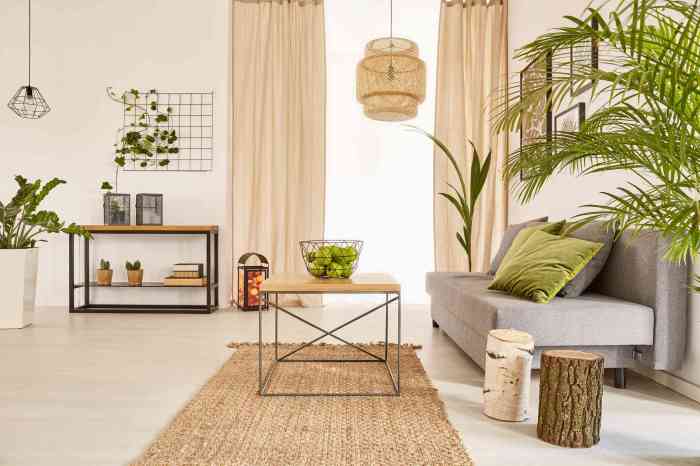
Feng Shui is the ancient Chinese practice of arranging your environment to enhance the flow of energy, or “chi,” to promote harmony and balance in your life. Minimalism, on the other hand, is a lifestyle choice that focuses on simplicity and decluttering to create a more peaceful and intentional living space. When combined, Feng Shui and minimalism can work together to create a harmonious and serene home environment.
Applying Feng Shui Principles in Minimalist Living Spaces
Feng Shui principles can be applied to minimalist living spaces by focusing on the flow of energy and the intentional placement of objects. By decluttering and organizing your space according to Feng Shui guidelines, you can create a sense of calm and balance in your home. This may involve using specific colors, incorporating natural elements, and arranging furniture to promote positive energy flow.
Benefits of Combining Feng Shui and Minimalism
- Promotes a sense of peace and tranquility in your home.
- Helps to reduce stress and increase overall well-being.
- Encourages mindfulness and intentionality in your living space.
- Enhances the flow of positive energy and promotes harmony.
- Creates a visually appealing and clutter-free environment that is easy to maintain.
Incorporating Feng Shui into Minimalist Home Decor
When it comes to creating a minimalist home with good Feng Shui, there are key elements to consider to promote harmony and balance in your living space.
Decluttering and Organizing for Feng Shui Minimalism
Incorporating Feng Shui into a minimalist home starts with decluttering and organizing your space. Clutter can disrupt the flow of energy, or chi, in your home, so it is essential to keep your space tidy and free of unnecessary items.
- Start by decluttering one room at a time, getting rid of items that no longer serve a purpose or bring you joy.
- Organize your belongings in a way that is both functional and aesthetically pleasing, using storage solutions to keep the space clean and uncluttered.
- Consider implementing the KonMari method or other decluttering techniques to create a sense of peace and tranquility in your home.
Natural Light and Open Spaces in Feng Shui Minimalist Design
Natural light and open spaces play a crucial role in Feng Shui practices for minimalist design, as they allow energy to flow freely throughout your home.
- Maximize natural light by keeping windows unobstructed and using light, sheer curtains to allow sunlight to enter your space.
- Create open spaces by removing unnecessary furniture and keeping pathways clear to encourage the smooth flow of energy.
- Consider incorporating mirrors to reflect light and create the illusion of more space, enhancing the overall energy of your home.
Feng Shui Colors and Minimalist Design
Incorporating the right colors into your minimalist design following Feng Shui principles can greatly enhance the energy flow and create a harmonious living space.Feng Shui emphasizes the importance of colors in influencing the energy within a space. When it comes to minimalist design, choosing calming and soothing colors is key to creating a serene environment that promotes relaxation and mindfulness.
Here are some examples of calming Feng Shui colors that align well with minimalist aesthetics:
Calming Feng Shui Colors for Minimalist Design
- Soft neutrals such as white, beige, and light gray are perfect for creating a sense of spaciousness and purity in a minimalist space.
- Soft blues and greens can bring a sense of tranquility and balance, ideal for promoting relaxation and peace of mind.
- Earth tones like terracotta, taupe, and soft browns can ground the space and create a warm, inviting atmosphere.
Color psychology plays a significant role in Feng Shui, as different colors can affect our emotions and energy levels. By incorporating calming colors that resonate with you and align with the principles of minimalism, you can create a space that not only looks beautiful but also feels harmonious and balanced.
Furniture Placement and Feng Shui for Minimalism
When it comes to creating a harmonious and balanced space in a minimalist home, furniture placement plays a crucial role in Feng Shui practices. The way you arrange your furniture can impact the flow of energy, known as chi, throughout your living space.
Guidelines for Furniture Arrangement to Promote Harmony and Balance
- Ensure that furniture is not blocking pathways or doorways, allowing for easy movement and the free flow of energy.
- Position key pieces of furniture, such as the bed or sofa, against a solid wall for stability and support.
- Avoid placing furniture with sharp edges or corners in high-traffic areas to prevent negative energy accumulation.
- Consider the balance of yin and yang energies by mixing different shapes and sizes of furniture to create visual interest and harmony.
Selecting Furniture that Complements Feng Shui and Minimalist Design
- Opt for furniture made from natural materials, such as wood or bamboo, to promote a sense of grounding and connection to nature.
- Choose furniture with simple and clean lines that align with the principles of minimalism, avoiding cluttered or overly ornate pieces.
- Integrate furniture in neutral colors or earth tones to create a calming and peaceful atmosphere, in line with Feng Shui principles.
- Consider multi-functional furniture pieces that serve a dual purpose to maximize space and functionality in a minimalist setting.
Feng Shui Plants and Minimalist Living
Plants play a vital role in Feng Shui practices, enhancing the flow of positive energy and promoting harmony within a space. When it comes to minimalist living, incorporating plants can bring a sense of tranquility and freshness while maintaining the clean, uncluttered aesthetic of minimalism.Indoor plants have the power to purify the air, reduce stress, and create a connection to nature within your home.
In Feng Shui, plants are believed to attract good luck and prosperity while balancing the energy, known as chi, in the environment. By carefully selecting low-maintenance indoor plants that complement minimalist design principles, you can effortlessly introduce the benefits of Feng Shui into your living space.
Low-Maintenance Indoor Plants for Minimalist Design
- Snake Plant (Sansevieria): Known for its air-purifying qualities, the snake plant thrives in low light and requires minimal watering, making it perfect for busy individuals.
- ZZ Plant (Zamioculcas Zamiifolia): With glossy, dark green leaves, the ZZ plant is resilient and can survive in various light conditions, ideal for minimalist interiors.
- Pothos (Epipremnum Aureum): This vine plant is easy to care for and adds a touch of greenery to shelves or hanging planters, enhancing the visual appeal of minimalist spaces.
- Succulents: These low-maintenance plants come in various shapes and sizes, requiring infrequent watering and thriving in bright, indirect light, making them a versatile choice for minimalist decor.
Enhancing Energy Flow with Indoor Plants
Indoor plants not only contribute to the aesthetics of a minimalist home but also improve the energy flow according to Feng Shui principles. Placing plants strategically in areas that need a boost of vitality can help create a harmonious atmosphere and promote well-being. By incorporating plants that resonate with your personal energy and align with the elements of Feng Shui, you can enhance the overall balance and positive chi in your living space.
Balancing Energy Flow with Feng Shui and Minimalism
When it comes to Feng Shui and minimalism, balancing energy flow is essential for creating a harmonious living space. In Feng Shui, the concept of energy flow, known as Chi, is believed to influence various aspects of our lives, including our well-being and success. By incorporating Feng Shui practices into minimalist home decor, you can ensure that the energy in your space is flowing smoothly and positively.
Techniques for Balancing Energy Flow
One key technique for balancing energy flow in a minimalist home is to declutter regularly. Clutter can block the flow of energy and create stagnation in your space. By keeping your home organized and free of unnecessary items, you can allow Chi to move freely throughout your space.
- Avoid placing furniture in the direct path of doorways, as this can disrupt the flow of energy entering your home.
- Use mirrors strategically to reflect light and energy throughout your space, creating a sense of openness and vitality.
- Integrate elements of nature, such as plants or natural materials, to enhance the flow of positive energy in your minimalist home.
Impact of Clutter on Energy Flow
Clutter not only affects the physical appearance of a space but also has a significant impact on the energy flow within a minimalist home. It can create feelings of overwhelm, stress, and fatigue, disrupting the balance of Chi. To maintain a harmonious environment in a minimalist space, it is essential to regularly assess and eliminate any clutter that may be impeding the flow of energy.
Feng Shui Art and Decor for Minimalist Homes
Art and decor play a crucial role in enhancing the energy flow and overall ambiance of a minimalist home. By incorporating Feng Shui principles into the art and decor choices, you can create a harmonious and balanced environment that promotes a sense of peace and tranquility.
Using Art to Enhance Feng Shui
- Choose art pieces that resonate with you and bring a sense of calmness and positivity.
- Opt for minimalist art with clean lines, soothing colors, and simple designs to maintain the aesthetic of minimalism.
- Consider nature-inspired art such as landscapes, botanical prints, or abstract representations of natural elements to bring in the grounding energy of the outdoors.
Placement of Art and Decor
- Place art at eye level to ensure it is easily visible and enhances the overall energy of the space.
- Avoid cluttering the walls with too many pieces of art; choose a few impactful pieces that resonate with the energy you want to cultivate.
- Position art in areas where you want to invite specific energies, such as prosperity, love, or health, according to Feng Shui principles.
Examples of Minimalist Art Pieces
- A serene black and white photograph of a zen garden.
- An abstract painting with calming blue tones to promote tranquility.
- A minimalist sculpture representing balance and harmony in the space.
Kitchen Improvements
Improving the layout and functionality of your kitchen is essential for creating a harmonious cooking space. Decluttering and organizing your kitchen can not only make it visually appealing but also enhance its efficiency. By incorporating Feng Shui principles into your kitchen design, you can create a minimalist yet balanced environment for cooking and dining.
Tips for Better Kitchen Layout
- Ensure that your kitchen layout follows the work triangle concept, with the stove, refrigerator, and sink forming a triangle for easy movement.
- Maximize storage space by utilizing vertical storage solutions like shelves and cabinets.
- Keep frequently used items within reach to avoid unnecessary clutter on countertops.
- Introduce adequate lighting to brighten up the space and create a welcoming ambiance.
Importance of Decluttering and Organizing
- Clutter in the kitchen can disrupt the flow of energy and create a sense of chaos in the space.
- Organizing your kitchen items can help you easily find what you need and maintain a clean and tidy environment.
- Clear countertops and cabinets of unnecessary items to promote a sense of calm and simplicity.
Applying Feng Shui to Kitchen Design
- Use the five elements of Feng Shui (wood, fire, earth, metal, water) to create a balanced and harmonious kitchen space.
- Introduce plants or herbs in your kitchen to bring in the element of nature and promote positive energy flow.
- Consider the color scheme of your kitchen based on Feng Shui principles to evoke specific energies, such as red for passion and energy or blue for calmness and tranquility.
In conclusion, Feng Shui for minimalism provides a holistic approach to home design, incorporating ancient principles to cultivate a serene and balanced environment. Embrace the essence of simplicity and elegance in your living space with the harmonious fusion of Feng Shui and minimalism.
Questions and Answers
How can I incorporate Feng Shui principles into a minimalist home?
To incorporate Feng Shui into a minimalist home, focus on decluttering, incorporating natural elements, and ensuring proper furniture placement for harmony.
What are some calming Feng Shui colors that align with minimalist aesthetics?
Soft blues, greens, and earthy tones like beige and taupe are calming Feng Shui colors that complement minimalist design beautifully.
Why is it important to balance energy flow in a minimalist space?
Balancing energy flow in a minimalist space ensures a harmonious environment where positive energy can circulate freely, promoting wellbeing and balance.


