
Embark on a journey to discover the secrets of creating an eco-friendly home, where sustainability meets style. From energy-efficient appliances to green living practices, this guide covers it all.
Explore the key aspects of building an eco-friendly home and learn how small changes can make a big impact on the environment.
Home Inspections
Before embarking on building an eco-friendly home, conducting a thorough home inspection is crucial to ensure the foundation is set for sustainability and energy efficiency.
Key Areas Impacting Eco-friendliness
- Insulation: Proper insulation can significantly reduce energy consumption and maintain a comfortable indoor temperature.
- Windows and Doors: Energy-efficient windows and doors help prevent heat loss and gain, improving overall energy efficiency.
- Heating and Cooling Systems: Upgrading to energy-efficient HVAC systems can lower energy bills and reduce carbon emissions.
- Water Efficiency: Checking for leaks and installing low-flow fixtures can conserve water and reduce water usage.
Identifying Eco-friendly Upgrades
During a home inspection, look for opportunities to make eco-friendly upgrades that can enhance sustainability and energy efficiency:
- LED Lighting: Switching to LED bulbs can save energy and money in the long run.
- Solar Panels: Assess the feasibility of installing solar panels to generate renewable energy and reduce reliance on the grid.
- Energy Star Appliances: Upgrading to Energy Star-rated appliances can lower energy consumption and decrease utility costs.
- Roofing Materials: Consider using reflective roofing materials to reduce heat absorption and lower cooling costs.
Kitchen Improvements
When it comes to building an eco-friendly home, the kitchen is a crucial area where sustainability can be maximized. By incorporating energy-efficient appliances and sustainable materials, you can create a greener and more environmentally friendly space.
Energy-Efficient Appliances
- Opt for appliances with high Energy Star ratings to reduce electricity consumption.
- Consider investing in induction cooktops, convection ovens, and energy-saving refrigerators.
- Use a dishwasher with efficient water usage and opt for models that have eco-friendly wash cycles.
Sustainable Materials
- Choose countertops made from recycled glass, bamboo, or reclaimed wood to reduce environmental impact.
- Use cabinets constructed from sustainable materials like bamboo, cork, or recycled wood.
- Opt for flooring options such as cork, bamboo, or reclaimed hardwood for a more eco-friendly kitchen.
Proper Layout and Organization
- Design a kitchen layout that maximizes natural light to reduce the need for artificial lighting.
- Organize your kitchen space efficiently to minimize food waste and promote sustainable cooking practices.
- Utilize compost bins and recycling stations within the kitchen for easy disposal of organic waste and recyclables.
Home Improvement and Furniture
When it comes to creating an eco-friendly home, the choice of furniture and finishes plays a significant role in reducing environmental impact. Sustainable furniture options, upcycling old furniture, and using non-toxic paints are all essential considerations for an environmentally conscious home.
Sustainable Furniture Options
When selecting furniture for your eco-friendly home, opt for pieces made from sustainable materials such as reclaimed wood, bamboo, or FSC-certified wood. These materials are sourced responsibly and help reduce deforestation. Look for furniture that is durable and long-lasting to minimize waste and the need for frequent replacements.
Upcycling and Repurposing Old Furniture
Instead of discarding old furniture, consider upcycling and repurposing them to give them a new life. This not only reduces waste but also adds a unique touch to your home decor. You can paint, re-stain, or change the hardware of old furniture to match your style and contribute to a more sustainable lifestyle.
Choosing Non-Toxic Finishes for Furniture
When refinishing or painting furniture, opt for non-toxic and environmentally friendly paints and finishes. Look for products that are low in volatile organic compounds (VOCs) to minimize indoor air pollution. Water-based paints and finishes are a better alternative to traditional solvent-based ones, as they are safer for both your health and the environment.
Flooring
Choosing eco-friendly flooring materials like bamboo, cork, or reclaimed wood is essential for reducing the environmental impact of your home. These materials are sustainable, renewable, and have a lower carbon footprint compared to traditional flooring options.
Benefits of Radiant Floor Heating
Radiant floor heating is a great addition to eco-friendly flooring as it provides energy-efficient heating by warming the floor surface. This type of heating system can help reduce energy consumption and lower heating costs in the long run.
- Radiant floor heating distributes heat evenly, eliminating cold spots in the room.
- It operates silently and does not circulate dust and allergens like forced-air systems.
- By heating objects and people directly instead of the air, radiant floor heating can be more efficient.
Maintaining Eco-Friendly Flooring
Proper maintenance is crucial to prolonging the lifespan of your eco-friendly flooring. Here are some tips to help you care for your floors:
- Regularly sweep or vacuum to remove dirt and debris that can scratch the surface.
- Use a damp mop with a mild eco-friendly cleaner to clean the floors without damaging them.
- Avoid using harsh chemicals or abrasive cleaners that can strip the finish or harm the environment.
- Place felt pads under furniture legs to prevent scratching and dents on the flooring.
Green Living
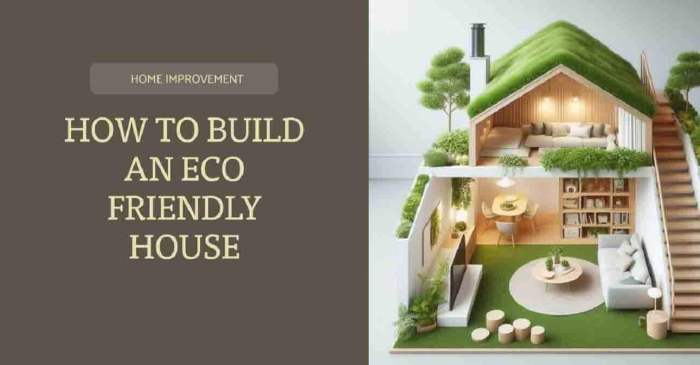
Green living is a lifestyle that focuses on reducing one’s impact on the environment by making sustainable choices in daily life. When it comes to building an eco-friendly home, green living plays a crucial role in ensuring that the house is not only energy-efficient but also environmentally friendly.Sustainable practices like composting, rainwater harvesting, and energy conservation are key components of green living.
Composting allows organic waste to be recycled into nutrient-rich soil, reducing the amount of waste sent to landfills. Rainwater harvesting involves collecting rainwater for later use, reducing the reliance on municipal water sources. Energy conservation focuses on reducing energy consumption through the use of energy-efficient appliances and practices.Incorporating indoor plants into your home is another way to embrace green living.
Indoor plants not only improve air quality by absorbing carbon dioxide and releasing oxygen but also add a touch of nature to your living space, enhancing aesthetics and creating a calming environment.
Interior Design and Decorating
When it comes to creating an eco-friendly home, the interior design and decorating play a crucial role. By choosing sustainable and non-toxic materials, maximizing natural light and ventilation, and creating a harmonious eco-friendly aesthetic, you can enhance the overall sustainability of your living space.
Choosing Sustainable and Non-Toxic Materials
Using sustainable materials such as bamboo, reclaimed wood, recycled glass, and low-VOC paints can significantly reduce the environmental impact of your interior design choices. Opt for furniture and decor items made from natural, renewable resources to minimize waste and promote a healthier indoor environment.
Natural Light and Ventilation
Maximizing natural light in your home not only reduces the need for artificial lighting but also helps create a more inviting and energy-efficient space. Consider incorporating skylights, large windows, and light-colored walls to enhance natural lighting. Proper ventilation is essential for indoor air quality, so ensure that your home has adequate airflow through windows, vents, and air purifying plants.
Creating a Harmonious Eco-Friendly Aesthetic
To achieve a cohesive eco-friendly interior design aesthetic, focus on incorporating elements inspired by nature, such as earthy tones, organic textures, and sustainable materials. Use indoor plants to add a touch of greenery and improve air quality. Opt for furniture pieces that are not only stylish but also environmentally friendly, such as pieces made from recycled materials or sustainably sourced wood.
Bath and Shower
When it comes to creating an eco-friendly bathroom, choosing water-saving fixtures and technologies is essential. Not only does it help reduce water consumption, but it also contributes to environmental conservation efforts. One of the key areas to focus on is the bath and shower, where significant amounts of water are used on a daily basis.
Water-saving Fixtures and Technologies
- Low-flow showerheads: Opt for showerheads that are designed to reduce water flow without compromising water pressure. These fixtures can help save a significant amount of water with each use.
- Low-flow faucets: Install faucets that are specifically designed to limit the flow of water, ensuring that only the necessary amount is used for daily tasks like handwashing or brushing teeth.
- Dual-flush toilets: Consider upgrading to dual-flush toilets that give you the option to choose between a full flush and a half flush, depending on your needs. This can lead to substantial water savings over time.
Greywater Recycling System
Installing a greywater recycling system in your home can be a game-changer when it comes to water conservation. Greywater is gently used water from sources like sinks, showers, and laundry that can be recycled for other purposes such as flushing toilets or watering plants. By implementing a greywater system, you can significantly reduce your overall water usage and contribute to a more sustainable lifestyle.
House Plans
Choosing or designing eco-friendly house plans is crucial for reducing the environmental impact of a home and promoting sustainability. By incorporating eco-friendly elements into the design, such as passive solar heating and proper insulation, homeowners can lower energy consumption, reduce carbon footprint, and create a healthier living space.
Key Features of Eco-Friendly House Designs:
- Passive Solar Heating: Utilizing the sun’s energy to heat the home through strategic placement of windows, thermal mass, and overhangs.
- Proper Insulation: High-quality insulation materials and techniques to retain heat in winter and cool air in summer, reducing the need for artificial heating and cooling.
- Energy-Efficient Appliances: Installing energy-efficient appliances and fixtures to minimize electricity and water consumption.
- Natural Ventilation: Designing the home to allow for cross ventilation and fresh air circulation, reducing the reliance on air conditioning.
- Use of Sustainable Materials: Incorporating renewable, recycled, or locally-sourced materials in construction to minimize environmental impact.
Resources for Finding Eco-Friendly House Plans:
- Green Building Websites: Platforms like Green Building Advisor and Green Home Guide offer a selection of eco-friendly house plans and resources.
- Sustainable Architects: Seek out architects specializing in sustainable design who can create custom eco-friendly house plans tailored to your needs and location.
- Pre-Designed Plans: Websites like Ecohome and Architectural Designs feature pre-designed eco-friendly house plans for purchase or inspiration.
Feng Shui
Feng Shui is an ancient Chinese practice that focuses on creating harmony and balance in living spaces. When applied to home design, Feng Shui principles can help promote a sense of well-being, positive energy flow, and sustainability.
By incorporating Feng Shui into your eco-friendly home, you can enhance the overall atmosphere and create a more peaceful environment. The connection between Feng Shui and sustainable living lies in the shared goal of creating a harmonious balance between humans and nature.
Applying Feng Shui in Your Home
When arranging furniture and decor in your home, consider the following tips to promote positive energy flow and sustainability:
- Avoid clutter and keep your space organized to allow energy to flow freely.
- Use natural materials and colors to create a sense of calm and connection to nature.
- Position furniture to allow for smooth movement and to avoid blocking energy pathways.
- Introduce elements of nature, such as plants or water features, to enhance the overall balance of your space.
Heating and Air Conditioning
When it comes to creating an eco-friendly home, the heating and air conditioning systems play a crucial role in ensuring energy efficiency and sustainability. By choosing the right heating and cooling options, along with proper insulation and air sealing, you can significantly reduce your environmental impact and lower your energy bills.
Comparison of Eco-Friendly Heating and Cooling Systems
There are several eco-friendly heating and cooling systems available that can help you reduce your carbon footprint. Here is a comparison of some popular options:
- Geothermal Heating and Cooling: Utilizes the constant temperature of the earth to heat and cool your home efficiently.
- Solar Heating and Cooling: Harnesses the power of the sun to provide heating and cooling for your home.
- Heat Pumps: Transfer heat between your home and the outside air to provide heating in the winter and cooling in the summer.
Importance of Insulation and Air Sealing
Proper insulation and air sealing are essential for maintaining energy efficiency in your home. Without sufficient insulation and air sealing, your heating and cooling systems will have to work harder to maintain the desired temperature, leading to higher energy consumption and costs.
By investing in quality insulation and sealing any air leaks in your home, you can improve energy efficiency and reduce heat loss, ultimately saving money and reducing your carbon footprint.
Tips for Maintaining and Optimizing Eco-Friendly Systems
Once you have installed eco-friendly heating and cooling systems, it’s important to maintain and optimize them for maximum efficiency. Here are some tips to help you:
- Regularly clean and replace air filters to ensure proper airflow and efficiency.
- Schedule annual maintenance checks to keep your systems running smoothly.
- Adjust your thermostat settings based on the season to minimize energy usage.
- Consider installing a smart thermostat to control your heating and cooling systems more efficiently.
As we conclude this exploration of eco-friendly home building, remember that every choice you make can contribute to a greener future. By incorporating sustainable practices into your home, you’re not just building a house, but a better world.
FAQ Section
How can I make my home more eco-friendly?
You can start by using energy-efficient appliances, choosing sustainable materials, and incorporating green living practices like composting and rainwater harvesting.
What are some eco-friendly flooring options?
Consider bamboo, cork, or reclaimed wood for eco-friendly flooring choices that are both stylish and sustainable.
Is it expensive to build an eco-friendly home?
While some eco-friendly upgrades may have upfront costs, they can lead to long-term savings on energy bills and contribute to a healthier environment.
How can I improve indoor air quality in my eco-friendly home?
You can enhance indoor air quality by incorporating indoor plants, choosing non-toxic paints, and ensuring proper ventilation throughout your home.


