
Embark on a journey to transform your space with unique character and charm. Discover how small details can make a big impact and learn the art of personalization to create a truly distinctive ambiance.
Explore tips on incorporating one-of-a-kind elements that will elevate the style and character of any room, making it a reflection of your individuality and taste.
Adding Character to a Room
Adding character to a room involves incorporating unique elements and personal touches that reflect your style and personality, transforming a space from ordinary to extraordinary.
Small Details Make a Big Difference
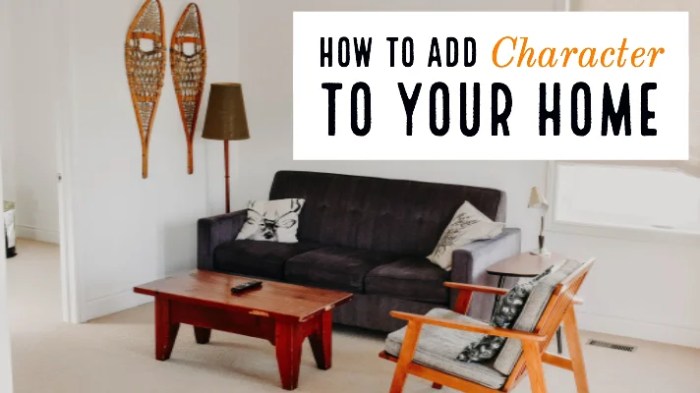
Small details such as decorative pillows, throw blankets, unique light fixtures, or interesting wall art can enhance the character of a room and make it feel more inviting and personalized.
Importance of Personalization
Personalization plays a crucial role in adding character to a space as it reflects who you are and what you love. Displaying personal items like family photos, travel souvenirs, or handmade crafts can make a room feel warm and inviting.
Tips for Creating a Distinct Ambiance
- Choose a statement piece of furniture or artwork that serves as a focal point in the room.
- Mix and match different textures, patterns, and colors to add visual interest and depth to the space.
- Incorporate vintage or antique items to add character and charm to modern spaces.
- Experiment with different lighting options such as floor lamps, string lights, or candles to create a cozy atmosphere.
- Add plants or fresh flowers to bring life and vibrancy to the room.
Home Inspections
Home inspections play a crucial role in identifying potential issues that may exist within a property. Whether you are buying, selling, or simply maintaining your home, regular inspections can help uncover hidden problems and ensure the safety and integrity of the property.
Areas Requiring Inspection
- Foundation: A key area to inspect for cracks, water damage, or shifting that can affect the stability of the structure.
- Roof: Check for missing shingles, leaks, or signs of damage that can lead to costly repairs if left unnoticed.
- Plumbing: Inspect for leaks, water pressure issues, and signs of corrosion in pipes to prevent water damage and mold growth.
- Electrical System: Look for outdated wiring, faulty outlets, or overloaded circuits that can pose fire hazards.
- HVAC System: Regular maintenance and inspection of heating and cooling systems can ensure optimal performance and energy efficiency.
Benefits of Regular Inspections
Regular home inspections offer numerous benefits, including:
- Early detection of potential problems before they escalate into costly repairs.
- Enhanced safety for occupants by addressing issues such as mold, radon, or electrical hazards.
- Prolonging the lifespan of key systems and components through timely maintenance and repairs.
- Potential increase in property value by maintaining a well-kept and structurally sound home.
Tips for Preparation
- Clean and declutter the property to allow easy access for inspectors to assess all areas.
- Compile maintenance records and documents related to previous repairs or upgrades done on the property.
- Make a list of any specific concerns or issues you want the inspector to pay attention to during the inspection.
- Be present during the inspection to ask questions, gain insights, and address any immediate concerns that may arise.
Kitchen Improvements
When it comes to adding character to a room, the kitchen is a key area that can greatly influence the overall look and feel of a home. Improving the functionality and aesthetics of a kitchen not only enhances the living experience but can also increase the value of your property.
Ways to Improve Functionality and Aesthetics
- Upgrade appliances to energy-efficient models to save on utility costs and modernize the space.
- Install adequate lighting, including task lighting under cabinets and decorative fixtures to create ambiance.
- Maximize storage with pull-out shelves, organizers, and clever solutions to keep the kitchen clutter-free.
- Refresh cabinet doors with a coat of paint or new hardware for a quick and affordable update.
Impact on Home Value
- Renovating a kitchen can significantly increase the resale value of a home, with a high return on investment compared to other upgrades.
- Buyers often prioritize modern, well-equipped kitchens, making it a key selling point in real estate listings.
- Quality materials and thoughtful design choices can set your kitchen apart and attract potential buyers.
Budget-Friendly Ideas for Upgrading
- Consider painting cabinets instead of replacing them for a cost-effective transformation.
- Shop for discounted appliances during holiday sales or clearance events to save money without compromising quality.
- DIY projects like installing a backsplash or refinishing countertops can add a personal touch without breaking the bank.
Tips for Choosing the Right Materials
- Opt for durable and easy-to-clean materials like quartz or granite for countertops to ensure longevity and practicality.
- Select cabinet finishes that complement the overall style of your home and add visual interest to the kitchen.
- Invest in high-quality faucets and fixtures that not only look stylish but also stand the test of time in a high-traffic area like the kitchen.
Home Improvement and Furniture
When it comes to home improvement projects, the selection of furniture plays a crucial role in enhancing the overall look and feel of a room. The right furniture pieces can complement the changes made during home renovations, adding character and style to the space.
Relationship Between Home Improvement Projects and Furniture Selection
Home improvement projects often involve changes to the layout, color scheme, and overall design of a room. Selecting the right furniture can help tie these changes together, creating a cohesive and visually appealing space.
Enhancing the Overall Look of a Room with Furniture Choices
Choosing furniture that complements the style and theme of a room can enhance its overall look and feel. From modern and minimalist pieces to classic and vintage designs, furniture can set the tone for the entire space.
Tips on Selecting Furniture that Complements Home Improvement Projects
- Consider the existing color palette and design elements of the room before choosing furniture.
- Take measurements to ensure that the furniture pieces fit well in the space without overcrowding it.
- Mix and match different styles and textures to add depth and visual interest to the room.
- Invest in quality furniture pieces that will withstand the test of time and continue to add character to the room.
Examples of Furniture Pieces that Can Add Character to a Room
- A statement sofa in a bold color or pattern can become the focal point of the room and add a touch of personality.
- An antique or vintage piece, such as a sideboard or a set of chairs, can bring a sense of history and charm to the space.
- Unique accent pieces like a sculptural coffee table or a designer lighting fixture can elevate the room’s style and make it stand out.
- Mixing in some handmade or artisanal furniture items can add a sense of craftsmanship and authenticity to the room.
Flooring
When it comes to adding character to a room, flooring plays a crucial role. The type of flooring you choose can significantly impact the overall look and feel of a space. From hardwood to carpet, there are various options available for homeowners to consider.
Types of Flooring
- Hardwood: A timeless and elegant choice that adds warmth to any room. Comes in various finishes and species.
- Laminate: Affordable and easy to install, mimics the look of hardwood or stone.
- Tile: Durable and versatile, available in a wide range of colors, patterns, and sizes.
- Carpet: Soft and cozy, great for bedrooms and living areas. Comes in different textures and colors.
- Vinyl: Water-resistant and low maintenance, suitable for kitchens and bathrooms.
Considerations when Choosing Flooring
- Room Function: Consider the purpose of the room and choose a flooring material that suits its use.
- Style: Match the flooring style with the overall design aesthetic of the space.
- Budget: Determine how much you are willing to spend on flooring installation and maintenance.
- Maintenance: Think about how much time and effort you are willing to invest in maintaining the flooring.
Impact of Flooring on Room Character
Flooring can greatly impact the character of a room by setting the tone for the space. For example, hardwood floors can add a sense of sophistication and warmth, while tile floors can create a sleek and modern look. The color, texture, and pattern of the flooring also play a role in defining the room’s character.
Maintenance Tips for Different Flooring Types
- Hardwood: Regularly sweep and mop with a damp cloth to keep them looking their best.
- Laminate: Avoid using harsh chemicals and opt for a dry mop or vacuum for cleaning.
- Tile: Clean grout lines regularly and use a mild detergent for routine maintenance.
- Carpet: Vacuum weekly and spot clean spills immediately to prevent stains from setting in.
- Vinyl: Sweep or vacuum regularly and use a damp mop with a mild cleaner for deeper cleaning.
Green Living
Green living is a lifestyle that aims to reduce the negative impact on the environment and personal health by making sustainable choices. When applied to homes, green living practices can not only benefit the planet but also create a healthier and more comfortable living space.
Eco-Friendly Home Improvement Options
There are various eco-friendly home improvement options that can enhance the sustainability of your living space:
- Installing energy-efficient appliances to reduce electricity consumption.
- Using low-VOC paints and finishes to improve indoor air quality.
- Incorporating natural materials like bamboo or reclaimed wood for flooring and furniture.
Incorporating Sustainable Practices into Home Design
When designing your home, consider the following tips to incorporate sustainable practices:
- Maximize natural light to reduce the need for artificial lighting.
- Implement proper insulation to lower heating and cooling costs.
- Utilize rainwater harvesting systems for watering plants and outdoor use.
Examples of Green Living Initiatives
There are several green living initiatives that can add character to a room, such as:
- Creating a living wall with a variety of plants for improved air quality and aesthetics.
- Upcycling old furniture or decor items to reduce waste and add unique charm to the space.
- Installing a smart thermostat to optimize energy usage and promote a greener lifestyle.
Interior Design and Decorating
Interior design plays a crucial role in adding character to a space by bringing together elements that reflect the homeowner’s personality and style. It involves creating a cohesive design scheme that combines aesthetics with functionality to enhance the overall ambiance of a room.
Creating a Cohesive Design Scheme
When designing a room, it’s essential to create a cohesive design scheme that ties everything together harmoniously. Here are some tips to achieve this:
- Choose a consistent color palette and stick to it throughout the room.
- Consider the style of furniture and decor pieces to ensure they complement each other.
- Pay attention to the scale and proportion of elements in the room to maintain balance.
- Use texture and patterns strategically to add depth and visual interest to the space.
Color Palettes and Ambiance
Color palettes play a significant role in influencing the ambiance of a room. Different colors evoke different emotions and set the tone for the space. Here are a few examples:
- Warm tones like red, orange, and yellow can create a cozy and inviting atmosphere.
- Cool tones like blue and green promote a sense of calm and relaxation.
- Neutral colors like white, beige, and grey provide a timeless and versatile backdrop for any design style.
Balancing Aesthetics with Functionality
While aesthetics are essential in interior design, it’s crucial to balance them with functionality to create a space that not only looks good but also works well for its intended purpose. Here’s how to achieve this balance:
- Choose furniture that is both stylish and practical for everyday use.
- Consider the flow of the room and how people will move through the space.
- Include storage solutions that are both functional and aesthetically pleasing to keep the room organized.
- Ensure adequate lighting to enhance the overall design and functionality of the room.
Bath and Shower
When it comes to enhancing the design of a bathroom, there are various ways to elevate its style and functionality. One of the key elements in a bathroom is the bath and shower area, which can greatly impact the overall look and feel of the space.
Enhancing Bathroom Design
One way to enhance the design of a bathroom is by incorporating unique tiles or patterns in the bath and shower area. Whether it’s adding a pop of color with vibrant tiles or creating a soothing atmosphere with neutral tones, the right choice of tiles can transform the space.
- Consider installing a rainfall showerhead for a luxurious spa-like experience.
- Opt for a freestanding bathtub to add a touch of elegance and sophistication to the bathroom.
- Incorporate natural elements like wood or stone to create a relaxing ambiance.
Selecting the Right Fixtures
The fixtures you choose for baths and showers play a crucial role in both the aesthetic appeal and functionality of the space. It’s important to select fixtures that not only complement the overall design but also meet your specific needs.
- Choose high-quality faucets and showerheads that are both stylish and durable.
- Consider the size and layout of the bathroom when selecting bath and shower fixtures to ensure they fit seamlessly into the space.
- Opt for fixtures with innovative features like temperature control and water-saving capabilities for added convenience.
Creating a Relaxing Ambiance
Creating a relaxing ambiance in a bathroom is essential for unwinding after a long day. By paying attention to details like lighting, scents, and decor, you can transform your bath and shower area into a tranquil retreat.
- Install dimmable lights to adjust the mood and create a cozy atmosphere.
- Add scented candles or essential oil diffusers to enhance relaxation and create a spa-like experience.
- Personalize the space with artwork, plants, or decorative accents to make it feel like a sanctuary.
Innovative Bath and Shower Designs
Innovative bath and shower designs can take your bathroom to the next level, offering unique features and modern aesthetics that cater to your preferences and lifestyle.
- Consider a walk-in shower with frameless glass doors for a sleek and contemporary look.
- Explore options like steam showers or smart showers that offer advanced functionalities for a luxurious bathing experience.
- Incorporate built-in shelving or niches in the bath and shower area for added storage and convenience.
House Plans
Well-designed house plans play a crucial role in maximizing space and functionality within a home. They serve as the blueprint for the entire structure, ensuring that each room is strategically placed and sized to accommodate the needs of the occupants.
Types of House Plans
There are various types of house plans available, each suited for different lifestyles and preferences. Some common types include:
- Ranch Style: Known for its single-story layout, perfect for individuals who prefer easy accessibility and open living spaces.
- Craftsman: Characterized by its intricate details and cozy atmosphere, ideal for those who appreciate craftsmanship and traditional design elements.
- Modern: Emphasizing clean lines and minimalistic features, catering to individuals who prefer a sleek and contemporary aesthetic.
Customizing House Plans
Customizing house plans allows homeowners to add character and personal touches to different rooms. Some tips for customization include:
- Focus on key areas: Identify the rooms that are most important to you and prioritize customization in those spaces.
- Consider functionality: Ensure that any changes made to the house plan enhance the functionality of the room without compromising on aesthetics.
- Incorporate unique features: Add architectural elements such as exposed beams, built-in shelving, or window seats to infuse character into the design.
Architectural Features
When designing house plans, consider incorporating unique architectural features that can elevate the overall look of the home. Some examples include:
- Arched Doorways: Adding arched doorways can create a sense of elegance and sophistication in the interior.
- Tray Ceilings: Tray ceilings add depth and visual interest to a room, making it appear more spacious and luxurious.
- Bay Windows: Bay windows not only bring in natural light but also provide a cozy nook for seating or decor.
Feng Shui
Feng Shui is an ancient Chinese practice that focuses on creating balance and harmony in the environment by arranging furniture, decor, and other elements in a specific way. This practice is believed to enhance the flow of energy, known as chi, and promote well-being in the space.
Principles of Feng Shui and Impact on Room Character
Feng Shui principles are based on the idea that the placement of objects in a room can affect the energy flow and overall atmosphere. By following these principles, you can create a space that feels balanced, inviting, and peaceful. For example, placing a mirror in a strategic location can help reflect light and energy throughout the room, making it feel more vibrant and alive.
Creating Harmony and Balance
To create harmony and balance in a space using Feng Shui, consider the layout of the room, the colors used, and the placement of furniture. For instance, using soft, earthy tones can promote a sense of calmness, while arranging furniture in a circular or oval shape can encourage the flow of energy. By paying attention to these details, you can transform a room into a harmonious sanctuary.
Applying Feng Shui Guidelines
To enhance the energy flow in a room using Feng Shui, consider decluttering the space, incorporating natural elements like plants, and ensuring good air circulation. Additionally, using symbols of abundance, such as a bowl of fruit or a money plant, can attract positive energy and prosperity into the room.
Examples of Feng Shui Techniques
- In the bedroom, place the bed against a solid wall for stability and security.
- In the living room, position the sofa facing the entrance to welcome guests and create a sense of openness.
- In the kitchen, keep the stove clean and in good working order to promote health and prosperity.
- In the home office, place a desk in the power position, facing the door but not directly in line with it, to enhance focus and productivity.
Heating and Air Conditioning
Proper heating and air conditioning systems are crucial for maintaining a comfortable and healthy home environment. In addition to keeping the temperature at an optimal level, these systems also help regulate indoor air quality, humidity levels, and ventilation. Here are some key points to consider when it comes to heating and air conditioning:
Energy-Efficient Options
When choosing heating and cooling systems for your home, opt for energy-efficient models to reduce your carbon footprint and save on energy costs. Look for systems with high Seasonal Energy Efficiency Ratio (SEER) ratings for air conditioners and Annual Fuel Utilization Efficiency (AFUE) ratings for furnaces.
Maintaining Systems
- Regularly clean or replace air filters to ensure proper airflow and efficiency.
- Schedule annual maintenance checks with HVAC professionals to keep systems running smoothly.
- Seal any leaks in ductwork to prevent energy wastage and improve system performance.
Integration into Room Design
Heating and air conditioning solutions can be seamlessly integrated into room design to enhance both functionality and aesthetics. Consider options like ductless mini-split systems, smart thermostats, and radiant floor heating for a modern and efficient approach to heating and cooling.
Elevate your living space by adding character with our expert tips and tricks. From personalized touches to unique decor pieces, infuse your rooms with personality and style that truly sets them apart.
FAQ Summary
How can I make my room stand out with character?
Incorporate unique decor pieces, personalize the space, and pay attention to small details that reflect your personality.
What are some budget-friendly ways to add character to a room?
Consider DIY projects, upcycling furniture, and adding personalized touches like artwork or accessories.
How important is personalization in enhancing a room’s character?
Personalization adds a unique touch that makes a room feel like home and reflects the individuality of the homeowner.


