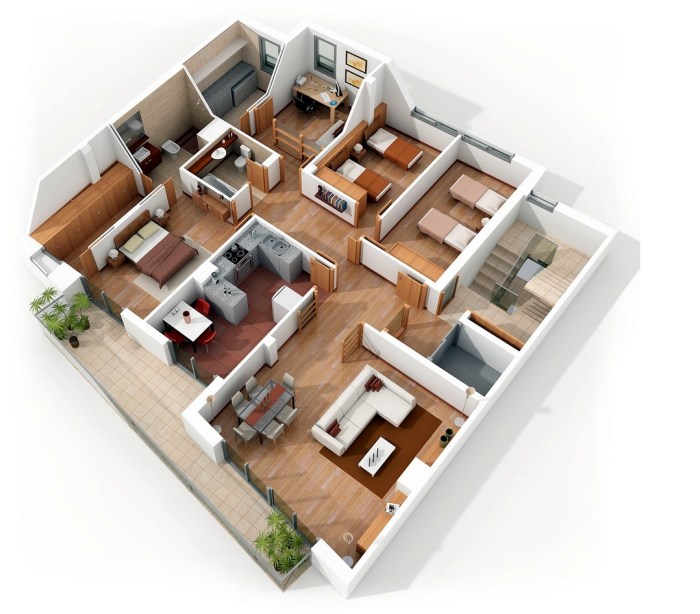
When it comes to creating your ideal living space, 4-bedroom house plans offer a perfect balance of comfort and functionality. From maximizing space to incorporating your personal style, these plans are the foundation for your dream home. Dive into the world of 4-bedroom house plans and discover how you can design a space that truly reflects your lifestyle.
4-Bedroom House Plans
When it comes to 4-bedroom house plans, the layout typically includes four separate bedrooms, multiple bathrooms, a kitchen, a living room, and sometimes additional spaces like a dining room, study, or recreation room. The bedrooms are usually located on the upper floors, offering privacy and space for family members or guests.
Key Features of 4-Bedroom House Plans
4-bedroom house plans are popular for several reasons. They provide ample space for families with children, guests, or those who need extra rooms for various purposes. The layout allows for flexibility in room usage, such as turning one bedroom into a home office or a playroom. Additionally, having multiple bedrooms increases the resale value of the house, making it a practical investment.
Comparison of Different Styles
- Modern: Modern 4-bedroom house plans often feature open floor plans, large windows for natural light, and sleek design elements.
- Traditional: Traditional 4-bedroom house plans typically have a more formal layout, with separate rooms for each function and classic architectural details.
- Farmhouse: Farmhouse-style 4-bedroom house plans combine modern amenities with rustic charm, featuring cozy details like exposed beams and welcoming porches.
Tips for Optimizing Space
When designing a 4-bedroom house plan, consider the following tips to optimize space:
- Use multifunctional furniture to maximize space in smaller rooms.
- Implement built-in storage solutions to keep the house organized and clutter-free.
- Consider an open floor plan to create a sense of spaciousness and flow between rooms.
- Utilize vertical space with loft beds or tall shelves to make the most of high ceilings.
Home Inspections
When purchasing a property, it is crucial to conduct a thorough home inspection to ensure that you are making a sound investment. A professional home inspection can reveal any hidden issues with the property and help you make an informed decision before finalizing the purchase.
Areas Typically Inspected During a Home Inspection
During a home inspection, various areas of the house are typically examined to assess their condition. These areas include:
- Roof and attic
- Foundation
- Plumbing system
- Electrical system
- HVAC system
- Appliances
- Structural components
Common Issues Found During Home Inspections
Home inspections often reveal common issues such as:
- Leaky roofs
- Mold and mildew
- Electrical problems
- Plumbing leaks
- Pest infestations
Addressing these issues promptly can prevent further damage and potentially save you money in the long run.
Benefits of Obtaining a Professional Home Inspection Report
Obtaining a professional home inspection report offers several benefits, including:
- Peace of mind knowing the true condition of the property
- Negotiating power to request repairs or a lower selling price
- Avoiding costly surprises after purchasing the property
- Potentially saving money on future repairs and maintenance
Having a comprehensive home inspection report in hand can help you make an informed decision and protect your investment in the long term.
Kitchen Improvements
When it comes to enhancing the heart of your home, the kitchen, there are plenty of improvement ideas to consider. From maximizing storage space to incorporating the latest trends in design and appliances, here are some tips to help you elevate your kitchen’s functionality and aesthetics.
Maximizing Storage Space
One of the key elements of a well-designed kitchen is ample storage space. To make the most out of your kitchen cabinets and drawers, consider installing pull-out shelves, drawer organizers, and vertical dividers. Utilize the space above cabinets for storing less frequently used items or display decorative pieces.
Latest Trends in Kitchen Design and Appliances
Keep your kitchen up-to-date by incorporating the latest trends in design and appliances. Opt for sleek, modern cabinetry with hidden handles, matte black finishes, or natural wood tones. Consider adding a statement backsplash or a kitchen island with built-in appliances for a contemporary look.
Budget-Friendly DIY Projects
If you’re looking to improve your kitchen on a budget, there are plenty of DIY projects you can tackle. Paint your cabinets for a fresh new look, replace hardware for a quick update, or add open shelving for a trendy touch. Upgrading lighting fixtures or adding a new faucet can also make a big impact without breaking the bank.
Home Improvement and Furniture
When it comes to creating a welcoming and stylish home, furniture plays a crucial role in shaping the overall look and feel of the space. The right furniture pieces can enhance the aesthetic appeal of a room, while poorly chosen items can detract from the design and functionality of the space.
Impact of Furniture Selection
Choosing the right furniture can significantly impact the overall look and feel of a home. The size, style, and placement of furniture pieces can either complement or clash with the existing decor, affecting the coherence and harmony of the space. It’s essential to consider the scale of the furniture in relation to the size of the room, as well as the color scheme and design aesthetic to create a cohesive and inviting atmosphere.
Role of Home Improvement in Increasing Property Value
Home improvement projects not only enhance the functionality and aesthetics of a property but also increase its market value. Renovations such as kitchen and bathroom upgrades, flooring replacement, and landscaping can significantly boost the resale value of a home. Investing in quality materials and craftsmanship can attract potential buyers and justify a higher asking price.
Choosing the Right Furniture Pieces
- Consider the size and layout of the room before selecting furniture pieces to ensure proper scale and proportion.
- Choose furniture that complements the existing decor and color scheme to create a cohesive look.
- Opt for versatile pieces that can be easily rearranged or repurposed to adapt to changing needs and preferences.
- Invest in quality furniture that will stand the test of time and withstand daily wear and tear.
Integrating Furniture Styles with Home Design
- Mix and match furniture styles to create visual interest and personality in a room.
- Balance different furniture pieces by incorporating a variety of textures, materials, and finishes.
- Use furniture as a focal point or statement piece to anchor the design of a room.
- Experiment with different furniture arrangements to find the optimal layout that maximizes space and functionality.
Flooring
When it comes to flooring options for a 4-bedroom house, there are several choices available, each with its own set of advantages and disadvantages. It’s essential to consider factors such as durability, maintenance, and aesthetic appeal when selecting the right flooring material for your home.
Hardwood Flooring
Hardwood flooring is a popular choice for many homeowners due to its timeless appeal and durability. It adds warmth and elegance to any space. However, hardwood floors can be expensive and require regular maintenance to keep them looking their best.
Laminate Flooring
Laminate flooring is a more affordable alternative to hardwood. It is easy to install and maintain, making it a practical choice for busy households. However, laminate flooring may not offer the same level of durability as hardwood.
Tile Flooring
Tile flooring is a versatile option that comes in a variety of styles, colors, and patterns. It is durable, water-resistant, and easy to clean, making it ideal for high-traffic areas like kitchens and bathrooms. However, tile can be cold underfoot and may require regular grout cleaning.
Carpet Flooring
Carpet flooring is soft, comfortable, and provides insulation against noise and temperature. It comes in a wide range of colors and textures to suit any decor style. However, carpet can stain easily and may require regular professional cleaning to maintain its appearance.
Green Living
Green living is a lifestyle that aims to reduce our impact on the environment by making sustainable choices in our everyday lives. In modern homes, incorporating green living practices is crucial to promoting a healthier planet for future generations.
Eco-friendly Home Design Practices and Materials
When designing a green home, it is essential to consider using eco-friendly materials such as bamboo flooring, recycled glass countertops, and low-VOC paints. Implementing energy-efficient appliances and solar panels can also help reduce the carbon footprint of the household.
Tips for Reducing Energy Consumption
- Upgrade to LED light bulbs to save energy and reduce electricity costs.
- Properly insulate your home to prevent heat loss and reduce the need for heating and cooling.
- Use programmable thermostats to optimize energy usage based on your schedule.
Examples of Green Home Improvement Projects
- Installing a rainwater harvesting system to collect and reuse rainwater for irrigation.
- Creating a composting system to reduce waste and nourish your garden with nutrient-rich soil.
- Adding a green roof to improve insulation, reduce stormwater runoff, and provide habitat for wildlife.
Interior Design and Decorating
When it comes to interior design and decorating a 4-bedroom house, there are various styles and elements to consider in order to create a space that is both beautiful and functional.
Different Interior Design Styles
There are several interior design styles that can complement 4-bedroom house plans, such as:
- Modern: Clean lines, minimalistic furniture, and neutral color palettes.
- Traditional: Classic furniture pieces, rich colors, and intricate details.
- Contemporary: Mix of modern and traditional elements, with a focus on comfort and simplicity.
- Scandinavian: Light, airy interiors, natural materials, and a cozy atmosphere.
Color Schemes, Furniture Arrangements, and Decor Elements
Each room in a 4-bedroom house requires careful consideration when it comes to color schemes, furniture arrangements, and decor elements:
- Living Room: Choose a neutral color scheme with pops of color through accent pieces. Arrange furniture to create conversation areas.
- Bedrooms: Select calming colors for a restful atmosphere. Consider the placement of the bed, nightstands, and dressers for functionality.
- Kitchen: Opt for a mix of textures and materials for a visually appealing space. Add decor elements like plants or artwork to personalize the area.
- Bathrooms: Keep the color scheme light and airy for a spa-like feel. Include storage solutions and decorative touches to enhance the space.
Creating a Cohesive Design Theme
To ensure a cohesive design theme throughout the house, consider the following tips:
- Choose a consistent color palette that flows from room to room.
- Select furniture pieces that complement each other in style and scale.
- Use similar decor elements, such as artwork or accessories, to tie the rooms together.
- Add personal touches, such as family photos or heirlooms, to infuse character into the space.
Personalizing and Adding Character
Personalizing and adding character to interior spaces can be achieved through:
- Customizing furniture pieces with unique fabrics or finishes.
- Incorporating statement pieces, like a bold area rug or eye-catching light fixtures.
- Showcasing personal collections or hobbies through displays or shelving.
- Experimenting with textures, patterns, and colors to reflect your personal style.
Bath and Shower
When it comes to 4-bedroom house plans, the design and layout of bathrooms play a crucial role in providing functionality and comfort for the residents. Here, we will explore popular bathroom layouts, latest trends in fixtures and accessories, space optimization tips, and ideas for creating a spa-like atmosphere.
Popular Bathroom Layouts
- Master en-suite bathroom: This layout usually includes a spacious shower, a bathtub, dual sinks, and a separate toilet area. It offers luxury and privacy for the homeowners.
- Jack and Jill bathroom: Ideal for shared spaces, this layout connects two bedrooms with a common bathroom, usually featuring two sinks and a shared shower or bathtub.
- Hallway bathroom: Positioned centrally to serve multiple bedrooms, this layout typically includes a combination of a shower, bathtub, and vanity for convenience.
Latest Trends in Fixtures, Tiles, and Accessories
- Smart fixtures: High-tech toilets, touchless faucets, and LED mirrors are gaining popularity for their convenience and modern appeal.
- Statement tiles: Bold patterns, textured tiles, and large-format tiles are trending for adding personality and style to bathrooms.
- Black accents: Matte black fixtures and accessories are a popular choice for creating a chic and sophisticated look in bathrooms.
Tips for Optimizing Space
- Use wall-mounted vanities and toilets to free up floor space and create a more open feel.
- Consider a glass shower enclosure instead of a traditional shower curtain to visually expand the space.
- Add built-in storage solutions like recessed shelves or niche to keep the bathroom organized.
Creating a Spa-Like Atmosphere
- Incorporate natural elements like plants, bamboo accessories, and wooden accents to bring a sense of tranquility to the bathroom.
- Install a rainfall showerhead, a soaking tub, or a steam shower for a luxurious spa experience at home.
- Use calming color schemes, soft lighting, and scented candles to enhance relaxation and create a serene ambiance.
House Plans
When it comes to building or renovating a home, choosing the right house plan is crucial. Your house plan will not only determine the layout and flow of your home but also impact your day-to-day living experience. It’s essential to consider your needs, lifestyle, and future plans when selecting a house plan.
Key Factors to Consider
- Size and Layout: Consider the number of bedrooms, bathrooms, and overall square footage that will best suit your family’s needs.
- Architectural Style: Choose a house plan that reflects your personal style and preferences, whether it’s modern, traditional, or a mix of both.
- Budget: Determine your budget for construction and ensure that the chosen house plan is within your financial means.
- Lot Requirements: Take into account the size and shape of your lot, as well as any zoning restrictions or building codes that may apply.
Pre-designed vs. Custom-designed
When it comes to house plans, you have the option to choose from pre-designed plans or opt for a custom-designed option tailored to your specific needs. Pre-designed plans are cost-effective and readily available, while custom-designed plans offer the opportunity to create a unique and personalized home. Consider your budget, timeline, and desired level of customization when deciding between the two options.
Resources for Finding and Customizing
- Online House Plan Websites: Websites like Architectural Designs, Houseplans, and The Plan Collection offer a wide selection of pre-designed house plans that can be customized to fit your needs.
- Local Architects and Designers: Consult with local architects and designers who can create custom house plans based on your preferences and requirements.
- Home Improvement Magazines: Magazines like Home & Design, Dwell, and Better Homes & Gardens often feature house plans and design inspiration for homeowners.
Feng Shui
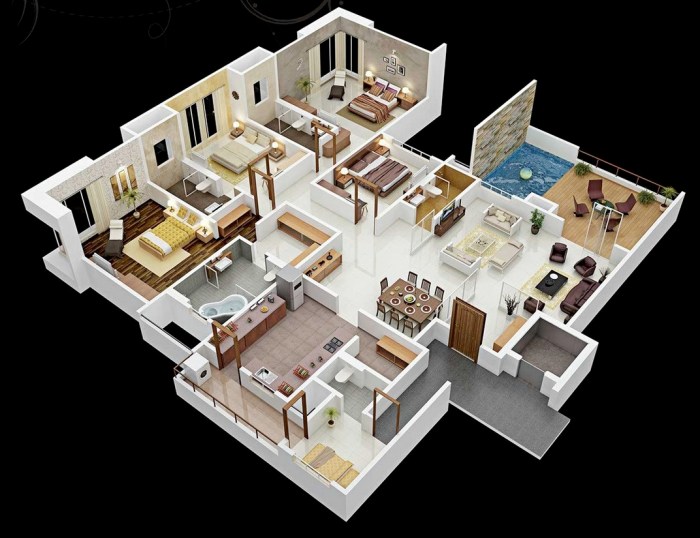
Feng Shui is an ancient Chinese practice that focuses on creating harmony and balance in living spaces to promote well-being and positive energy flow. By incorporating Feng Shui principles into home design, individuals can enhance the overall atmosphere of their living environment.
Benefits of Feng Shui in a 4-Bedroom House
Integrating Feng Shui elements in a 4-bedroom house can bring various benefits, such as:
- Promoting a sense of tranquility and relaxation
- Enhancing the flow of energy throughout the house
- Improving the quality of sleep and overall well-being
- Creating a harmonious and balanced living environment
Tips for Creating a Harmonious Environment with Feng Shui
When incorporating Feng Shui in your 4-bedroom house, consider the following tips:
- Clear clutter to allow positive energy to flow freely
- Use natural materials and colors to create a calming atmosphere
- Position furniture to facilitate the smooth flow of energy in each room
- Balance the elements (wood, fire, earth, metal, water) in your home design
Common Feng Shui Practices for Different Rooms
Here are some common Feng Shui practices for different rooms in a house:
- Living Room: Place the sofa against a solid wall to provide support and stability.
- Bedroom: Position the bed with a clear view of the door but not directly in line with it for better sleep quality.
- Kitchen: Keep the stove clean and in good working condition to symbolize prosperity and abundance.
- Bathroom: Ensure good ventilation and keep the space clutter-free to prevent stagnant energy.
Heating and Air Conditioning
Efficient heating and air conditioning systems are crucial for maintaining a comfortable and healthy indoor environment in a home. Proper heating ensures warmth during colder months, while effective air conditioning keeps the space cool and comfortable in hot weather.
Heating Options for a 4-Bedroom House
- Forced Air Heating: This system uses ducts to distribute heated air throughout the house, providing consistent warmth.
- Radiant Heating: Radiant floor heating or panels can be installed to heat specific areas of the house, offering a luxurious and efficient heating solution.
- Heat Pumps: Heat pumps are versatile systems that can provide both heating and cooling, offering energy-efficient options for year-round comfort.
Cooling Options for a 4-Bedroom House
- Central Air Conditioning: Central AC systems cool the entire house using ducts and vents, ensuring even cooling throughout.
- Ductless Mini-Split Systems: These systems are ideal for homes without ductwork, providing efficient cooling for individual rooms or zones.
- Evaporative Coolers: Evaporative coolers, also known as swamp coolers, are cost-effective and environmentally friendly cooling options for dry climates.
Tips for Optimizing Energy Efficiency and Indoor Comfort
- Regular Maintenance: Schedule annual maintenance for your heating and cooling systems to ensure they operate efficiently.
- Programmable Thermostats: Use programmable thermostats to adjust temperature settings based on your schedule, saving energy when you’re away.
- Proper Insulation: Ensure your home is well-insulated to prevent energy loss and maintain consistent indoor temperatures.
Latest Trends in Smart Home Heating and Cooling Technology
- Smart Thermostats: These devices allow you to control your heating and cooling remotely via smartphone apps, optimizing energy usage.
- Zoned Heating and Cooling: Zoning systems divide the house into separate areas with individual temperature controls for personalized comfort.
- Energy Monitoring Systems: Monitor your energy usage in real-time and identify opportunities for efficiency improvements with smart home technology.
In conclusion, 4-bedroom house plans provide a versatile canvas for homeowners to design a space that suits their needs and preferences. Whether you prefer a modern aesthetic or a more traditional layout, these plans offer endless possibilities for creating a home that is both functional and stylish. Start exploring 4-bedroom house plans today and turn your dream home into a reality.
FAQ Insights
Are 4-bedroom house plans suitable for families with children?
Yes, 4-bedroom house plans are ideal for families with children as they offer ample space for everyone to have their own room while still maintaining a sense of togetherness in shared spaces.
Can 4-bedroom house plans be customized to fit specific preferences?
Absolutely, 4-bedroom house plans can be easily customized to suit your specific preferences, whether it’s adding a home office, a playroom, or a guest suite. Working with a designer can help tailor the plan to your needs.
Are 4-bedroom house plans more expensive to build compared to smaller options?
While the overall cost can vary depending on factors like materials and finishes, 4-bedroom house plans don’t necessarily have to be more expensive to build. Efficient use of space and smart design choices can help manage costs effectively.


