
Best lighting for home interiors sets the stage for this enthralling narrative, offering readers a glimpse into a story that is rich in detail with casual formal language style and brimming with originality from the outset.
When it comes to creating the perfect ambiance in your home, lighting plays a crucial role. From natural light to artificial fixtures, the right choice can transform a room into a cozy retreat or a vibrant space for gatherings. Let’s delve into the world of interior lighting and discover how you can illuminate your living spaces with style.
Best Lighting for Home Interiors
When it comes to lighting for home interiors, there are various options to consider to create the right ambiance and functionality in each room. Let’s explore the different types of lighting and how they can impact your living space.
Natural Light vs. Artificial Lighting
Natural light is a key element in any home, providing warmth and brightness that can enhance the overall atmosphere of a room. It helps reduce energy consumption during the day and can improve mood and productivity. On the other hand, artificial lighting offers consistency and control, allowing you to illuminate spaces at any time of day or night. It can also be used to create specific moods or highlight certain areas within a room.
Types of Lighting Fixtures
- Ambient Lighting: This provides overall illumination for a room and can come from ceiling-mounted fixtures, chandeliers, or track lighting.
- Task Lighting: This type of lighting is focused on specific activities like reading, cooking, or working. Desk lamps, under-cabinet lights, and pendant lights are common examples.
- Accent Lighting: Use accent lighting to highlight architectural features, artwork, or decorative elements in a room. Wall sconces, picture lights, and track lighting can be used for this purpose.
- Decorative Lighting: Decorative fixtures like pendants, chandeliers, or statement lamps can serve as both functional and aesthetic pieces in a room.
Home Inspections
When purchasing a property, one crucial step that should not be overlooked is a home inspection. This process involves a professional examining the condition of the home, from the foundation to the roof, to identify any potential issues that may need attention.
Importance of Home Inspection
Getting a home inspection before buying a property is essential as it can help uncover hidden problems that may not be visible to the untrained eye. This information can be crucial in negotiating the final price of the home or determining if the property is worth investing in.
Common Issues Found During Home Inspections
- Structural problems such as foundation cracks or sagging floors
- Electrical issues like outdated wiring or overloaded circuits
- Plumbing problems such as leaks or poor water pressure
- Mold or mildew growth due to moisture issues
- Roof damage or poor insulation
Kitchen Improvements
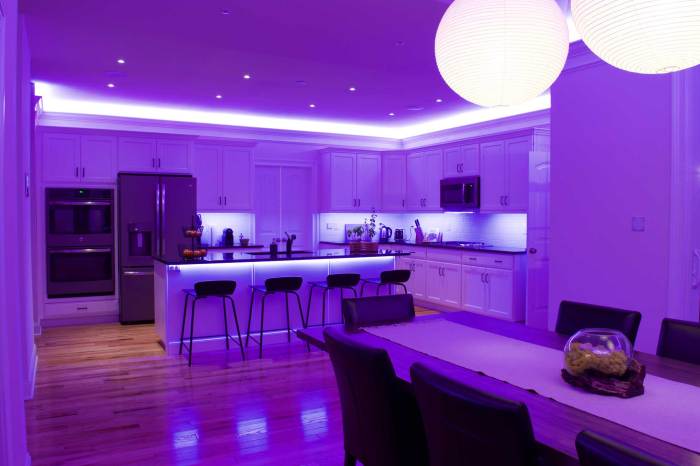
When it comes to improving the lighting in your kitchen, there are various options to consider. Proper lighting is essential in a kitchen not only for cooking tasks but also for creating a welcoming and inviting atmosphere.
Task Lighting
Task lighting is crucial in the kitchen as it helps illuminate specific work areas where you need focused light for tasks like food preparation and cooking. Here are some effective ways to implement task lighting in your kitchen:
- Install under cabinet lighting to brighten up countertops and provide direct light for cutting and cooking.
- Use pendant lights over kitchen islands or dining tables to create a visually appealing focal point while providing task lighting.
- Consider installing recessed lighting above the sink or stove to eliminate shadows and improve visibility in these key areas.
Creating a Well-Lit Space
In addition to task lighting, it’s important to create an overall well-lit space in your kitchen to ensure a comfortable and inviting environment. Here are some tips to help you achieve this:
- Combine different types of lighting, such as overhead fixtures, task lighting, and ambient lighting, to create layers of light that can be adjusted according to your needs.
- Choose light fixtures that complement your kitchen’s style and design while providing adequate illumination.
- Opt for LED bulbs to save energy and create a bright, white light that is ideal for cooking and food preparation.
Home Improvement and Furniture
Lighting plays a crucial role in enhancing the overall look and feel of a room, especially when it comes to showcasing furniture and decor. The right lighting can complement different furniture styles, highlight certain features, and create a warm and inviting ambiance.
Integration of Lighting Fixtures into Home Improvement Projects
When planning a home improvement project, it’s essential to consider the type of lighting fixtures that will work best with your furniture and overall design aesthetic. For example, pendant lights can be used to draw attention to a specific area or piece of furniture, while recessed lighting can provide a more subtle and even illumination throughout the room.
- Consider incorporating wall sconces to add a touch of elegance and sophistication to your living room or bedroom.
- Track lighting can be a versatile option for showcasing artwork or decorative pieces in your home.
- Table lamps and floor lamps not only provide additional lighting but also serve as decorative accents that can complement your furniture style.
Role of Lighting in Showcasing Furniture and Decor
Proper lighting can make all the difference when it comes to showcasing your furniture and decor in the best possible light. Whether you have a minimalist modern style or a more traditional design, the right lighting can help accentuate the beauty of your furniture pieces and create a cohesive look in the room.
- Adjustable lighting fixtures, such as dimmable lights or smart bulbs, allow you to control the intensity and color temperature to suit different moods and occasions.
- Under cabinet lighting in the kitchen can not only improve visibility while cooking but also highlight the countertops and backsplash, enhancing the overall design of the space.
- Chandeliers and statement lighting pieces can act as focal points in a room, drawing attention to specific areas or furniture items.
Flooring
When it comes to flooring, lighting plays a crucial role in enhancing the overall look and feel of the space. The right lighting can highlight the texture, color, and details of different types of flooring materials, creating a welcoming and visually appealing atmosphere in your home.
Impact of Lighting on Different Flooring Materials
Lighting can significantly impact the appearance of various flooring materials. For example, hardwood floors can appear warm and inviting under warm white lighting, while cool white lighting can bring out the natural beauty of stone or tile floors. Carpeted floors may benefit from softer, diffused lighting to create a cozy and comfortable ambiance.
Best Lighting Options for Highlighting Texture and Color
- Recessed Lighting: Ideal for highlighting the texture and color of hardwood, tile, or stone floors by casting light evenly across the surface.
- Track Lighting: Provides flexibility to adjust the direction of light to accentuate specific areas of the floor, showcasing intricate details and patterns.
- Floor Lamps: Adds a decorative element while illuminating the floor, creating depth and enhancing the color tones of the flooring material.
Tips for Choosing Lighting to Complement Flooring Styles
- Consider the Color Temperature: Choose warm white lighting for warmer flooring materials like wood and cool white lighting for cooler tones like stone or tile.
- Avoid Harsh Shadows: Use diffused or indirect lighting to prevent harsh shadows that can distort the appearance of the flooring.
- Layer Lighting: Combine ambient, task, and accent lighting to create a balanced lighting scheme that showcases the flooring while providing functionality.
Furniture
Lighting plays a crucial role in enhancing the look and feel of furniture within a space. The right lighting design can significantly influence the perception of furniture, highlighting its features and creating a specific ambiance in the room.
Accentuating Furniture Pieces with Lighting
- Use task lighting to highlight specific furniture pieces such as artwork, sculptures, or statement pieces.
- Consider using adjustable spotlights or track lighting to direct focus on key furniture items in the room.
- Utilize ambient lighting to create a warm and inviting atmosphere that complements the overall style of the furniture.
Considering Lighting When Selecting and Arranging Furniture
- Take into account the natural light sources in the room and how they interact with the furniture during different times of the day.
- Choose furniture finishes and materials that reflect or absorb light in a way that complements the desired lighting scheme.
- Ensure that the placement of furniture does not obstruct or cast shadows on the lighting fixtures, maintaining a balanced and well-lit space.
Green Living
When it comes to creating a sustainable and energy-efficient home, incorporating eco-friendly lighting options is essential. Not only does this help reduce your carbon footprint, but it also contributes to a healthier environment for you and your family.
LED Lights: A Bright Idea
LED lights are a popular choice for green living due to their energy efficiency and long lifespan. Compared to traditional incandescent bulbs, LED lights consume up to 80% less energy, making them a cost-effective and environmentally friendly lighting solution.
Natural Lighting: Harnessing the Sun’s Power
One of the simplest ways to go green with your home lighting is to maximize natural light sources. Positioning windows strategically and using light-colored paint can help reflect and amplify natural light, reducing the need for artificial lighting during the day.
Other Green Lighting Solutions
Aside from LED lights and natural lighting, there are other eco-friendly lighting options to consider. Compact fluorescent lamps (CFLs) and halogen incandescent bulbs are also energy-efficient choices that can help you create a greener home environment.
Interior Design and Decorating
Lighting plays a crucial role in interior design and decorating as it can significantly impact the overall look and feel of a space. Proper lighting can enhance the mood, highlight key design elements, and create a sense of warmth and depth in a room.
Creating Different Moods
- Soft, warm lighting can create a cozy and inviting atmosphere in living rooms or bedrooms, perfect for relaxation and unwinding.
- Bright, white lighting is ideal for task-oriented spaces like home offices or kitchens, providing clarity and focus for activities.
- Dimmable lights offer versatility, allowing you to adjust the brightness to suit different occasions or times of day.
Layering Lighting for Functionality and Aesthetics
- Layering different types of lighting, such as ambient, task, and accent lighting, can add depth and dimension to a room while serving various functions.
- Ambient lighting provides overall illumination and sets the mood, while task lighting focuses on specific activities like reading or cooking.
- Accent lighting highlights architectural features, artwork, or focal points, adding visual interest and drama to the space.
Bath and Shower
Proper lighting in bathrooms, especially around the bath and shower areas, is crucial for creating a safe and functional space. The right lighting can also enhance the overall ambiance and make the bathroom feel like a relaxing spa retreat.
Best Lighting Options for a Bright, Spa-Like Atmosphere
- Consider installing overhead lighting fixtures such as recessed lights or flush-mount ceiling lights to provide general illumination throughout the bathroom.
- Incorporate wall sconces or vanity lights around the mirror to eliminate shadows on the face and ensure adequate lighting for grooming tasks.
- Add LED strip lights under cabinets or along the baseboards to create a soft, ambient glow and enhance the overall aesthetic of the space.
Tips for Achieving Good Lighting for Grooming Tasks
- Use daylight bulbs with a color temperature of 5000-6500 Kelvin for accurate color rendering and better visibility when applying makeup or shaving.
- Install task lighting above the shower or bathtub area to ensure proper lighting for bathing and showering activities.
- Consider adding dimmer switches to control the brightness levels and create a more relaxing atmosphere for evening baths or showers.
House Plans
When designing a home, it is essential to incorporate lighting plans into the house blueprints to ensure that the living spaces are well-lit and functional. Proper lighting can enhance the overall ambiance and functionality of a home, making it a more comfortable and inviting space for its residents.
Maximizing Natural Light
Natural light is a valuable resource that can help reduce energy costs and create a healthier living environment. By strategically placing windows and skylights in the house plans, architects and designers can maximize the amount of natural light that enters the home. This not only brightens up the space but also reduces the need for artificial lighting during the day.
- Position windows and skylights to take advantage of the sun’s path throughout the day.
- Consider the orientation of the house in relation to the sun to optimize natural light exposure.
- Use light-colored finishes and reflective surfaces to bounce natural light around the room.
Working with Architects and Designers
Collaborating with architects and designers is crucial in creating well-lit living spaces in house plans. By communicating your lighting preferences and requirements, you can work together to develop a lighting design that meets your needs and enhances the overall aesthetic of the home.
Discuss the importance of different types of lighting fixtures, such as ambient, task, and accent lighting, with your architect or designer to create a layered lighting scheme that complements the architectural features of the home.
- Provide input on the placement of electrical outlets and switches to ensure convenient access to lighting controls.
- Consider incorporating smart lighting systems that allow for customizable settings and remote operation.
- Regularly communicate with your architect or designer throughout the design process to address any lighting concerns or adjustments.
Feng Shui
Feng Shui is an ancient Chinese practice that focuses on creating harmony and balance in living spaces. Lighting design plays a crucial role in aligning with the principles of Feng Shui to promote positive energy flow and well-being in home interiors.
Role of Lighting in Feng Shui
In Feng Shui, lighting is considered essential for creating a harmonious environment. Here are some key points to consider:
- Use soft, natural light sources to create a calming atmosphere in the home.
- Position lighting fixtures strategically to enhance the flow of energy, known as Qi, throughout the space.
- Avoid harsh overhead lighting and opt for fixtures that can be dimmed to adjust the energy levels in different areas of the home.
- Consider the color temperature of light bulbs to create the desired ambiance in each room.
Balance is key in Feng Shui, so aim to have a mix of natural and artificial light sources to create a harmonious environment.
Heating and Air Conditioning
When it comes to the comfort of a home, lighting plays a crucial role in how we perceive temperature and overall coziness. The right lighting can make a space feel warmer or cooler, depending on the design and placement of fixtures.
Impact of Lighting on Temperature Perception
Lighting color temperature can affect how we perceive the warmth or coolness of a room. Warm tones like yellow or orange can create a cozy atmosphere, while cooler tones like blue or white can make a space feel more refreshing and airy.
Relationship Between Lighting, Heating, and Air Conditioning
- Properly placed lighting can work in tandem with heating and air conditioning systems to enhance energy efficiency. For example, using natural light during the day can reduce the need for artificial lighting and heating.
- Adjustable lighting fixtures, like dimmer switches, can help regulate the amount of light and heat in a room, allowing for better control over energy consumption.
- Smart lighting systems can be integrated with smart thermostats to create a cohesive approach to energy management in a home.
Optimizing Lighting Design for Energy Efficiency
- Use energy-efficient LED bulbs to reduce electricity consumption and heat output, which can help lessen the load on heating and air conditioning systems.
- Position lighting fixtures strategically to avoid casting shadows that may interfere with the functioning of thermostats or air vents.
- Consider installing ceiling fans with built-in light fixtures to improve air circulation and distribute warmth more effectively during the winter months.
As we conclude our exploration of the best lighting for home interiors, remember that the right lighting can truly elevate the look and feel of your home. Whether you’re aiming for a warm, inviting atmosphere or a bright, energizing environment, the right lighting choices can make all the difference. So, go ahead and light up your home with style and sophistication.
Essential FAQs
How can I choose the best lighting for my home interiors?
Consider the function of each room, the mood you want to create, and the size of the space to determine the best lighting options.
Is natural light better than artificial lighting for home interiors?
Natural light offers many benefits such as enhancing mood and reducing energy costs, but artificial lighting can provide consistency and control.
What are some common mistakes to avoid when lighting home interiors?
Avoid using only overhead lights, neglecting task lighting, and not considering dimmers for adjusting light levels.


