
Exploring the realm of Best air conditioning systems 2024, this introduction sets the stage for a deep dive into the latest advancements and key considerations for choosing the ideal system.
From energy efficiency ratings to technological innovations, this overview will provide valuable insights for selecting the best air conditioning system for your home in 2024.
Best Air Conditioning Systems 2024
When it comes to choosing the best air conditioning system for your home in 2024, it’s essential to consider the top-rated models that offer both efficiency and performance. In this guide, we will explore the latest advancements in air conditioning technology, compare energy efficiency ratings, and highlight key features to look for.
Top-Rated Air Conditioning Systems for 2024
Before making a decision, it’s crucial to research and identify the top-rated air conditioning systems for
2024. These systems have been recognized for their performance, reliability, and innovative features. Some of the leading brands include:
- Brand A: Known for its superior cooling capacity and energy efficiency.
- Brand B: Offers advanced smart technology for remote control and energy savings.
- Brand C: Focuses on eco-friendly refrigerants and sustainable cooling solutions.
Energy Efficiency Ratings Comparison
Comparing the energy efficiency ratings of different air conditioning systems can help you make an informed choice. Look for systems with high SEER (Seasonal Energy Efficiency Ratio) ratings, as they indicate better energy performance and lower operating costs over time.
Latest Technological Advancements in Air Conditioning Systems for 2024
In 2024, air conditioning systems have integrated cutting-edge technologies to enhance user experience and energy efficiency. Some of the latest advancements include:
- Smart Thermostats: Allow for remote monitoring and control via smartphone apps.
- Variable Speed Compressors: Adjust cooling output according to demand for improved energy efficiency.
- Zoning Systems: Enable customized temperature control in different areas of the home for optimized comfort.
Key Features to Look for in 2024 Air Conditioning Systems
When selecting the best air conditioning system for your home, consider the following key features:
- Energy Efficiency: Choose a system with a high SEER rating for cost-effective operation.
- Noise Levels: Opt for models with quiet operation to minimize disruption in your living space.
- Air Quality Features: Look for systems with advanced filtration and humidity control for improved indoor air quality.
Home Inspections
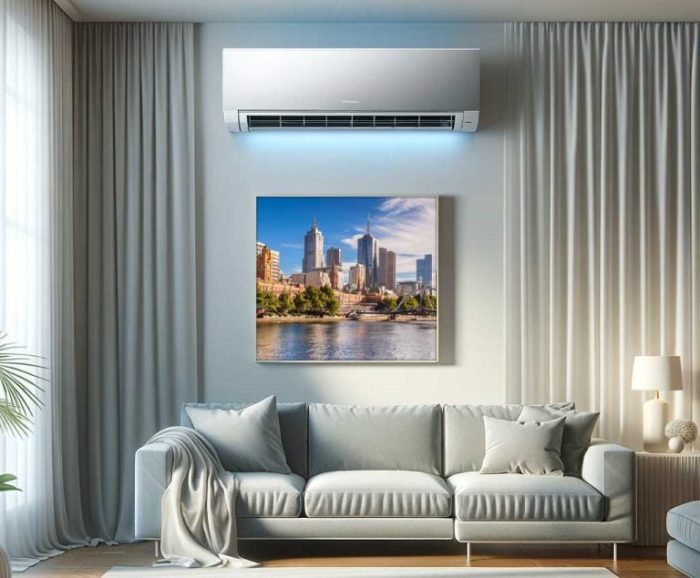
Before installing a new air conditioning system, it is crucial to conduct a thorough home inspection. This process helps identify any potential issues that may affect the performance of the new system and ensures that the installation is done correctly.
Areas to Inspect Before Upgrading
- Check the condition of existing ductwork to ensure it is properly sealed and insulated.
- Inspect the electrical system to ensure it can support the new air conditioning unit.
- Evaluate the insulation in the home to determine if it meets the recommended levels for energy efficiency.
- Examine the size and layout of the home to determine the appropriate size of the new air conditioning system.
Identifying Potential Issues
Home inspections play a crucial role in identifying potential issues that could impact the performance of an air conditioning system. By addressing these issues before installation, you can prevent future problems and ensure the system operates efficiently.
Choosing a Reputable Home Inspector
- Look for a certified home inspector with experience in evaluating air conditioning systems.
- Ask for references and check reviews from previous clients to ensure the inspector is reliable.
- Make sure the inspector provides a detailed report outlining any issues found during the inspection.
- Compare pricing and services offered by different inspectors to find the best fit for your needs.
Kitchen Improvements
Upgrading the air conditioning system in your home can significantly contribute to overall kitchen improvements. Proper ventilation and air circulation play a crucial role in enhancing kitchen comfort and functionality. Integrating the air conditioning system with kitchen upgrades can also lead to improved energy efficiency. Here are some tips on how to coordinate air conditioning upgrades with kitchen renovation projects:
Enhanced Ventilation and Air Circulation
Improving the air conditioning system in your kitchen can help ensure proper ventilation and air circulation. This not only enhances indoor air quality but also creates a more comfortable environment for cooking and dining. Installing vents or exhaust fans can further improve airflow and reduce cooking odors.
Energy-Efficient Appliances
When upgrading your kitchen appliances, consider choosing energy-efficient options that work seamlessly with your air conditioning system. Energy-efficient refrigerators, stoves, and dishwashers can help reduce overall energy consumption, especially when coordinated with a well-maintained air conditioning system.
Smart Thermostat Integration
Integrating a smart thermostat with your air conditioning system can enhance energy efficiency in the kitchen. By programming temperature settings based on your cooking habits and schedule, you can optimize energy usage and minimize wastage. Smart thermostats can also provide real-time data on energy consumption, helping you make informed decisions about your kitchen’s cooling and heating needs.
Proper Insulation
During kitchen renovations, ensure proper insulation to maximize the efficiency of your air conditioning system. Well-insulated walls, floors, and ceilings help maintain a consistent temperature in the kitchen, reducing the workload on your air conditioner. This not only improves energy efficiency but also prolongs the lifespan of your cooling system.
Home Improvement and Furniture
When it comes to home improvement and furniture choices, selecting the right air conditioning system plays a significant role in enhancing the overall aesthetic and functionality of a space. The air conditioning system can complement other home improvements and furniture selections, while also preserving the quality of furniture and home decor.
Choosing the Right Air Conditioning System
Choosing an air conditioning system that aligns with the overall aesthetic of a home is essential for a cohesive look and feel. Consider the design and style of your furniture and home decor when selecting the type and placement of your air conditioning unit.
- Opt for sleek and modern air conditioning units to complement contemporary furniture styles.
- Choose ducted systems or hidden mini-split units to maintain a clean and minimalist look in your space.
- Consider the color and finish of the air conditioning unit to blend seamlessly with your existing furniture layouts.
Preserving Furniture and Home Decor
Air conditioning plays a vital role in preserving the quality of furniture and home decor by regulating temperature and humidity levels. Properly maintained air conditioning systems can prevent damage to wood furniture, upholstery, and sensitive decor items.
- Ensure your air conditioning system is well-maintained to prevent moisture buildup that can lead to mold and mildew growth on furniture.
- Set the temperature and humidity levels to optimal ranges to protect wood furniture from warping or cracking.
- Use air purifiers or filters to reduce dust and allergens that can accumulate on furniture surfaces.
Integrating Air Conditioning Units with Furniture Layouts
Integrating air conditioning units seamlessly with existing furniture layouts can enhance the overall visual appeal of a space. Consider the following tips for a harmonious integration:
- Strategically place air conditioning units behind or above furniture pieces to maintain an unobstructed view of the room.
- Incorporate decorative screens or planters around the air conditioning unit to blend it with the surrounding decor.
- Choose furniture pieces with built-in storage to conceal or disguise the air conditioning unit when not in use.
Flooring
When it comes to flooring, the type of air conditioning system you choose can have a significant impact on the maintenance and longevity of different materials. Proper maintenance of indoor humidity levels is crucial for preserving the integrity of your flooring over time.
Impact of Air Conditioning Systems on Flooring
- Air conditioning systems that maintain consistent humidity levels can help prevent warping or buckling of hardwood floors.
- Excessive moisture from poorly maintained air conditioning units can lead to mold growth on carpets and wooden floors.
- High humidity levels caused by inadequate air conditioning can cause laminate flooring to swell and become damaged.
Selecting Air Conditioning Systems for Flooring Longevity
- Choose air conditioning systems with built-in humidity control features to protect sensitive flooring materials.
- Opt for energy-efficient air conditioning units to minimize fluctuations in indoor humidity levels that can damage flooring.
- Consider ductless mini-split systems to provide targeted cooling without affecting the moisture levels in the entire house.
Coordinating Air Conditioning Installation with Flooring Renovations
- Prioritize flooring installation before air conditioning system installation to avoid any damage to newly laid floors.
- Consult with flooring and HVAC professionals to create a cohesive plan that ensures both systems work harmoniously together.
- Allow adequate time for flooring materials to acclimate to the indoor environment before installing air conditioning systems to prevent issues with expansion or contraction.
Furniture
Proper air conditioning plays a crucial role in preserving the quality and lifespan of furniture. Not only does air conditioning help maintain optimal humidity levels, but it also regulates temperature, which is essential for various types of furniture materials.
Role of Air Conditioning in Furniture Longevity
- Air conditioning helps prevent wood furniture from warping or cracking due to fluctuations in temperature and humidity.
- Leather furniture can benefit from controlled temperatures to avoid drying out or becoming too moist, which can lead to mold growth.
- Fabric upholstery lasts longer when exposed to consistent temperatures, reducing the risk of fading or damage.
Temperature Control and Furniture Materials
- Wood: Temperature extremes can cause wood to expand or contract, leading to structural damage over time.
- Leather: High humidity levels can cause leather to deteriorate, while low humidity can result in cracking.
- Fabric: Consistent temperatures help preserve the color and texture of fabric upholstery, preventing premature wear and tear.
Optimal Airflow for Furniture
- Position furniture away from air conditioning vents to avoid direct exposure, which can lead to uneven temperature distribution.
- Ensure there is enough space between furniture pieces for air to circulate effectively, promoting consistent airflow throughout the room.
- Regularly clean air conditioning filters to prevent dust buildup, which can affect indoor air quality and potentially damage furniture surfaces.
Green Living
When it comes to sustainable living practices, the choice of air conditioning systems can have a significant impact on energy consumption and environmental sustainability. By opting for energy-efficient air conditioning systems, you can reduce your carbon footprint and contribute to a greener lifestyle.
Environmental Impact of Air Conditioning Refrigerants
Air conditioning systems use refrigerants to cool the air, and the choice of refrigerant can have varying effects on the environment. Some refrigerants, such as R-22, contribute to ozone depletion and global warming. In contrast, newer refrigerants like R-410A are more environmentally friendly and have lower impact on the ozone layer.
Tips for Reducing Energy Consumption
- Set your thermostat to a moderate temperature to reduce energy usage.
- Ensure proper insulation in your home to keep cool air in and hot air out.
- Regularly maintain and clean your air conditioning system to optimize its efficiency.
- Consider using ceiling fans in conjunction with your air conditioner to circulate cool air more effectively.
Choosing Eco-Friendly Air Conditioning Systems
When selecting an air conditioning system for your home, look for models that are ENERGY STAR certified, as they meet strict energy efficiency guidelines set by the Environmental Protection Agency. Additionally, consider systems that use eco-friendly refrigerants and advanced technologies to minimize environmental impact.
Interior Design and Decorating
When it comes to interior design and decorating, air conditioning systems play a crucial role in both aesthetics and functionality. The choice of air conditioning units can significantly impact the overall design of a space, influencing everything from layout to color schemes.
Air Conditioning as Part of Interior Design
It is essential to consider air conditioning units as part of the overall interior design plan. Instead of treating them as eyesores that need to be hidden, incorporating them seamlessly into the decor can enhance the room’s visual appeal.
- Utilize built-in air conditioning units that blend with the existing architecture of the space, creating a cohesive look.
- Choose air conditioning systems with sleek and modern designs that complement contemporary interior styles.
- Consider the placement of air conditioning units to ensure they do not disrupt the flow of the room and are easily accessible for maintenance.
Selecting Air Conditioning Systems for Different Design Themes
When selecting air conditioning systems, it is essential to choose units that complement the overall design theme of the space. Here are some tips for selecting the right air conditioning system based on different interior design styles:
- Minimalist Design: Opt for ductless mini-split systems that are discreet and blend seamlessly with clean lines and neutral color palettes.
- Vintage Design: Consider concealed ducted systems that can be hidden behind decorative screens or cabinets to maintain the vintage aesthetic.
- Industrial Design: Exposed ductwork can be incorporated into the design as a feature, giving an industrial edge to the space.
- Scandinavian Design: Choose air conditioning units with simple and understated designs that align with the minimalist and functional aspects of Scandinavian interiors.
Bath and Shower
Air conditioning plays a crucial role in maintaining a comfortable bathroom environment, especially during hot weather. The ability to control indoor temperature and humidity levels can greatly impact the overall experience in the bath and shower areas.
Impact of Air Conditioning on Bathroom Comfort
- Proper air conditioning helps regulate the temperature in the bathroom, ensuring a pleasant experience while bathing or showering.
- Controlling humidity levels can prevent the growth of mold and mildew, which are common issues in bathrooms, leading to a healthier and cleaner space.
- Having a consistent airflow from the air conditioning system can help in drying wet surfaces faster, reducing the risk of slips and falls in the bathroom.
Optimizing Air Conditioning Settings for Bath and Shower Areas
- Set the temperature to a comfortable level, typically between 72-78 degrees Fahrenheit, to create a relaxing atmosphere in the bathroom.
- Use a programmable thermostat to adjust the cooling settings based on your daily routine, ensuring energy efficiency while maintaining comfort.
- Consider installing a ceiling fan in the bathroom to enhance air circulation and improve the effectiveness of the air conditioning system.
Integrating Air Conditioning Solutions with Bathroom Renovations
- When planning a bathroom renovation, include the upgrade or installation of an energy-efficient air conditioning system to enhance the overall functionality of the space.
- Opt for ductless mini-split systems for targeted cooling in specific areas of the bathroom, providing customized comfort without the need for extensive ductwork.
- Incorporate smart technology into the air conditioning system to control temperature and humidity levels remotely, ensuring a comfortable environment before entering the bathroom.
House Plans
When designing house plans, it is essential to consider the integration of air conditioning systems to ensure optimal comfort and efficiency within the home. This involves strategic placement of air conditioning units and customization of the architectural design to accommodate specific air conditioning requirements.
Considerations for Incorporating Air Conditioning Systems
- Ensure proper sizing of the air conditioning system based on the square footage of the house to effectively cool or heat the space.
- Consider the orientation of the house in relation to the sun to minimize heat gain and reduce the workload on the air conditioning system.
- Include adequate insulation and sealing to prevent air leaks and maintain a consistent temperature within the house.
- Plan for the location of vents, ductwork, and air registers to ensure even distribution of air throughout the house.
Strategic Placement of Air Conditioning Units
- Place air conditioning units in shaded areas outside the house to prevent direct exposure to sunlight and improve energy efficiency.
- Position indoor units in central locations within the house to promote optimal airflow to all rooms and minimize obstructions.
- Consider installing multiple zones or ductless systems to customize cooling/heating settings for different areas of the house.
Customizing House Plans for Air Conditioning Requirements
- Work with architects to integrate concealed ductwork or recessed units into the design for a seamless and aesthetically pleasing look.
- Plan for the installation of a smart thermostat or home automation system to control the air conditioning system remotely and optimize energy usage.
- Design ventilation systems to complement the air conditioning system and improve indoor air quality.
Tips for Working with Architects
- Communicate your air conditioning needs clearly with the architect from the beginning of the design process to ensure proper integration.
- Provide information on the desired comfort levels, energy efficiency goals, and budget constraints to guide the architectural decisions.
- Collaborate with HVAC professionals and architects to develop a comprehensive plan that prioritizes comfort, efficiency, and aesthetics.
Feng Shui
Feng Shui is an ancient Chinese practice that focuses on creating a harmonious environment by balancing the energies in a space. When it comes to air conditioning systems, incorporating Feng Shui principles can enhance the overall energy flow and create a more balanced indoor environment.
Placement and Functionality of Air Conditioning Systems
- Position the air conditioning unit in a location that allows for optimal air circulation and distribution throughout the space.
- Avoid placing the unit directly facing doors, as this can disrupt the flow of energy entering the room.
- Ensure that the air conditioning system is well-maintained and free of any obstructions to allow for smooth airflow.
Creating a Harmonious Environment
- Choose an air conditioning system that operates quietly to maintain a peaceful atmosphere in the room.
- Consider incorporating essential oils or natural scents in the air conditioning system to promote a sense of relaxation and well-being.
- Use air conditioning to regulate the temperature in different areas of the home to create a balanced and comfortable environment.
Aligning Air Conditioning Choices with Feng Shui Guidelines
- Opt for air conditioning units with energy-efficient features to promote sustainability and balance the energy flow in the space.
- Consider the color and design of the air conditioning system to complement the overall aesthetics of the room and enhance the Feng Shui principles.
- Regularly clean and maintain the air conditioning system to ensure optimal performance and energy flow in the space.
Enhancing Feng Shui with Air Conditioning Solutions
- Integrate air conditioning units seamlessly into the design of the room to maintain a harmonious and balanced environment.
- Use air conditioning strategically to create a sense of comfort and well-being while promoting positive energy flow throughout the space.
- Consult with a Feng Shui expert to get personalized recommendations on how to incorporate air conditioning solutions that align with Feng Shui principles.
Heating and Air Conditioning
When it comes to maintaining a comfortable home environment, heating and air conditioning systems play a crucial role. Let’s dive into the differences between these systems and how to ensure optimal comfort and energy efficiency.
Functionality and Energy Efficiency
Heating systems are designed to keep your home warm during colder months, while air conditioning systems help cool the indoor space during hot weather. Both systems work together to regulate the temperature in your home, providing year-round comfort.
When comparing the energy efficiency of heating and air conditioning systems, it’s essential to consider factors such as the system’s SEER (Seasonal Energy Efficiency Ratio) rating, insulation quality, and proper maintenance. Energy-efficient systems can help reduce utility bills and minimize environmental impact.
Integrated Systems for Year-Round Comfort
Integrated heating and air conditioning systems offer the convenience of both heating and cooling capabilities in a single unit. These systems provide consistent comfort throughout the year, eliminating the need for separate installations and ensuring efficient operation.
By investing in integrated HVAC systems, homeowners can enjoy enhanced convenience, energy savings, and improved indoor air quality. These systems are designed to adapt to changing temperature needs, providing a seamless transition between heating and cooling modes.
Selecting HVAC Systems
When selecting HVAC systems that offer both heating and cooling functions, consider factors such as system size, energy efficiency ratings, zoning options, and programmable thermostats. Opt for systems that are ENERGY STAR certified for optimal performance and energy savings.
Consult with HVAC professionals to determine the most suitable system for your home based on factors like climate, insulation, and budget. Proper sizing and installation are essential for maximizing the efficiency and longevity of your HVAC system.
Maintaining a Balance
To maintain a balance between heating and air conditioning systems for optimal home comfort, it’s crucial to schedule regular maintenance checks, change air filters as needed, and ensure proper insulation in your home. Adjust the thermostat settings seasonally to minimize energy consumption while keeping your home comfortable.
By following a proactive maintenance routine and seeking professional assistance when needed, homeowners can ensure the efficient operation of their heating and air conditioning systems, promoting long-term reliability and comfort.
As we wrap up our exploration of Best air conditioning systems 2024, it’s clear that staying informed about the top-rated systems and key features is essential for a comfortable and energy-efficient living space.
General Inquiries
How can I ensure the air conditioning system I choose is energy efficient?
To ensure energy efficiency, look for systems with high SEER ratings and Energy Star certification.
What are some key technological advancements to look out for in air conditioning systems for 2024?
Some advancements to watch for include smart thermostats, variable-speed compressors, and improved air filtration systems.
How can I integrate air conditioning upgrades with kitchen renovations effectively?
Coordinate with your HVAC contractor and kitchen designer to ensure seamless integration of air conditioning upgrades with kitchen improvements.


