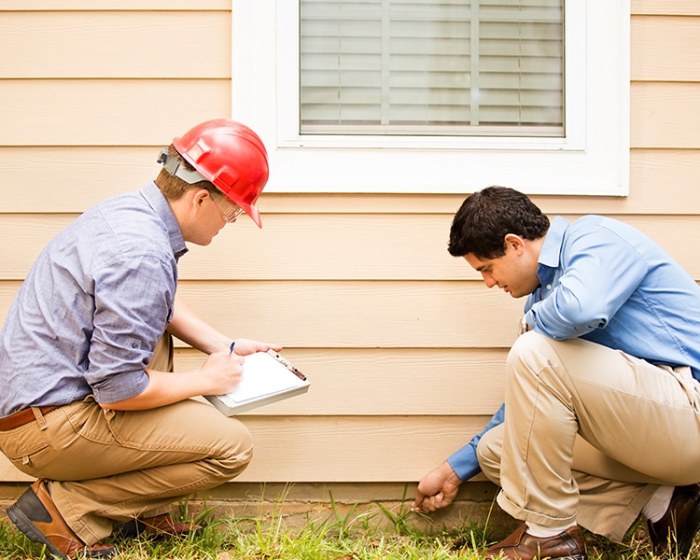
Starting with Best home inspection services, this opening paragraph aims to engage readers with valuable insights into the world of home inspections. Whether you’re a first-time home buyer or an experienced homeowner, understanding the importance of thorough inspections is crucial.
As we delve deeper into the realm of property assessment, you’ll discover the key differences between professional inspections and DIY ventures, as well as practical tips for addressing common issues unearthed during inspections.
Home Inspections
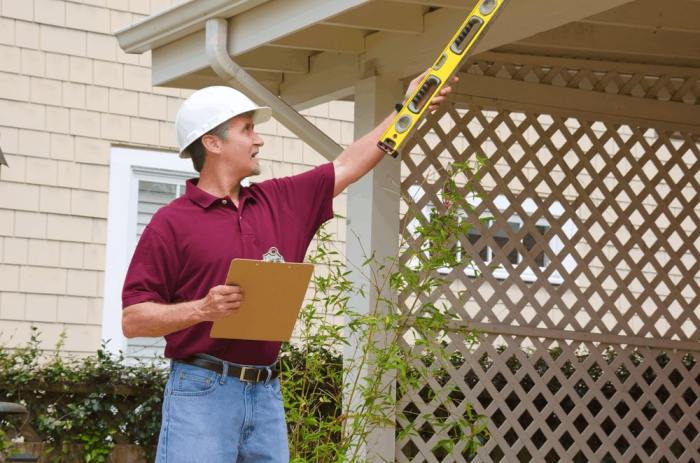
Before buying a property, it is crucial to conduct a home inspection to identify any potential issues that may not be visible to the naked eye. This process helps buyers make informed decisions and negotiate repairs or adjustments with the seller.
Benefits of Professional Home Inspections vs DIY Inspections
Professional home inspections offer a comprehensive assessment by trained experts who can identify structural, electrical, plumbing, and other issues accurately. On the other hand, DIY inspections may miss crucial details or misinterpret problems, leading to costly repairs down the line.
- Professional inspections provide a detailed report with findings and recommendations, giving buyers peace of mind and bargaining power.
- DIY inspections may lack the expertise to detect hidden issues, putting buyers at risk of purchasing a property with undisclosed problems.
- Professional inspectors carry insurance, offering protection in case of errors or omissions, which DIY inspections do not provide.
Common Issues Found During Home Inspections and How to Address Them
During home inspections, inspectors often uncover common issues that can range from minor maintenance issues to significant structural defects. It is essential to address these problems promptly to ensure the safety and integrity of the property.
- Water Damage: Leaks, mold, and water stains can indicate water damage, which may lead to structural issues. Addressing the source of the water intrusion and repairing any damage is crucial.
- Electrical Problems: Outdated wiring, faulty outlets, or inadequate electrical systems pose fire hazards. Hiring a licensed electrician to address these issues is necessary.
- Roof Damage: Missing shingles, leaks, or sagging areas can compromise the roof’s integrity. Repairing or replacing damaged roofing materials is essential to prevent further damage.
- Foundation Issues: Cracks, settlement, or moisture in the foundation can indicate serious structural problems. Consulting with a structural engineer to assess and repair foundation issues is critical.
Kitchen Improvements
Upgrading the kitchen is one of the best ways to increase the value of a property. Whether you are looking to sell your home or simply improve your living space, here are some essential kitchen improvements to consider:
Essential Kitchen Improvements for Increasing Property Value
- Updating kitchen cabinets and hardware for a fresh look.
- Installing energy-efficient appliances to appeal to eco-conscious buyers.
- Adding a backsplash to protect walls and add visual interest.
- Upgrading countertops with durable and aesthetically pleasing materials like quartz or granite.
- Enhancing lighting fixtures for improved functionality and ambiance.
Latest Trends in Kitchen Designs and Improvements
- Open shelving and minimalistic design for a clean and modern look.
- Smart kitchen technology for convenience and efficiency.
- Mixed materials like wood, metal, and glass for a unique aesthetic.
- Large kitchen islands for additional workspace and seating.
- Statement lighting fixtures to add a touch of luxury.
Tips on Budget-Friendly Kitchen Upgrades for Homeowners
- Painting cabinets for a cost-effective way to refresh the kitchen.
- Replacing hardware for an instant update without breaking the bank.
- Adding a fresh coat of paint to walls for a quick and affordable transformation.
- Updating faucets and fixtures for a modern touch.
- Investing in quality rugs and window treatments to enhance the space.
Home Improvement and Furniture
When it comes to enhancing the aesthetic appeal and functionality of a home, furniture plays a crucial role. The right furniture choices can transform a space, making it more inviting, comfortable, and visually pleasing. From selecting the right pieces to arranging them in a way that maximizes space and flow, furniture can truly make a house feel like a home.
Role of Furniture in Home Staging
Home staging is a key aspect of preparing a property for sale, and furniture plays a significant role in this process. Well-chosen furniture can help potential buyers envision themselves living in the space, highlighting its potential and creating a welcoming atmosphere. By strategically placing furniture to showcase the functionality and versatility of each room, home staging can significantly impact the selling process.
DIY Furniture Refurbishing and Repurposing
Embarking on DIY home improvement projects involving furniture refurbishing or repurposing can be a rewarding endeavor. Whether it’s giving an old piece of furniture a fresh coat of paint, reupholstering a chair, or repurposing an item for a new use, these projects can add a personal touch to your home while also being cost-effective. With a bit of creativity and some basic tools, you can breathe new life into old furniture and create unique pieces that reflect your style.
Flooring
When it comes to choosing flooring for your home, there are a variety of options available, each with its own set of pros and cons. From hardwood to laminate to tile, the type of flooring you choose can have a significant impact on both the durability and maintenance requirements of your space. Additionally, the right flooring can enhance the overall design and feel of your home, making it essential to choose wisely based on the specific needs of each room.
Types of Flooring Materials
- Hardwood: Known for its durability and timeless appeal, hardwood flooring is a popular choice for many homeowners. It requires regular maintenance such as refinishing, but can last for decades if properly cared for.
- Laminate: A more budget-friendly option, laminate flooring is easy to install and maintain. While not as durable as hardwood, laminate can still provide a stylish and practical flooring solution.
- Tile: Available in a variety of materials such as ceramic, porcelain, and natural stone, tile flooring is highly durable and resistant to moisture. It is a great choice for areas prone to spills and high traffic.
- Carpet: Offering warmth and comfort, carpet is a popular choice for bedrooms and living areas. However, it requires regular cleaning and may not be the best option for areas with high moisture levels.
Tips for Choosing the Best Flooring
- Consider the room’s function and traffic levels when selecting flooring.
- Choose flooring that complements the overall design and style of your home.
- Take into account maintenance requirements and factor them into your decision-making process.
- Consult with a professional to ensure you choose the best flooring option for your specific needs and budget.
Green Living
Green living is a lifestyle focused on reducing one’s environmental impact by making sustainable choices in daily life. This concept is crucial in home design as it not only benefits the environment but also promotes healthier living conditions for residents.
Eco-Friendly Home Improvement Ideas
- Install energy-efficient appliances to reduce electricity consumption and lower utility bills.
- Use low VOC (volatile organic compound) paint to improve indoor air quality and reduce harmful emissions.
- Implement a rainwater harvesting system to collect and reuse water for landscaping and irrigation.
- Incorporate solar panels to harness renewable energy and decrease reliance on non-renewable resources.
Benefits of Incorporating Green Elements
- Reduces carbon footprint and helps combat climate change.
- Promotes a healthier indoor environment for occupants by minimizing exposure to toxins and pollutants.
- Increases energy efficiency and lowers utility costs over time.
- Adds value to the property and appeals to eco-conscious buyers in the real estate market.
Interior Design and Decorating
When it comes to modern homes, interior design plays a crucial role in creating a stylish and functional living space. From the latest trends to budget-friendly decorating ideas, here are some tips to help you elevate the look of your home.
Latest Interior Design Trends
- Minimalist Design: Embrace clean lines, simple furniture, and a neutral color palette to create a sleek and clutter-free space.
- Natural Elements: Incorporate elements like wood, stone, and plants to bring a sense of nature indoors and create a calming atmosphere.
- Bold Colors: Experiment with bold and vibrant colors on accent walls, furniture pieces, or decor items to add a pop of personality to your space.
Creating Cohesive Design Schemes
- Choose a Color Scheme: Select a color palette that complements each other and use it consistently throughout the room for a cohesive look.
- Mix Textures: Combine different textures like velvet, leather, or metal to add depth and visual interest to your space.
- Balance Scale and Proportion: Ensure that furniture pieces and decor items are appropriately scaled to create a harmonious and well-balanced design.
Budget-Friendly Decorating Ideas
- DIY Projects: Get creative and try your hand at DIY projects like painting furniture, creating wall art, or upcycling decor items to save money while adding a personal touch to your home.
- Thrifting and Second-Hand Shopping: Explore thrift stores, flea markets, or online marketplaces to find unique and affordable pieces that can elevate your space without breaking the bank.
- Repurpose and Rearrange: Give old furniture a new life by repainting or reupholstering them, and experiment with rearranging your existing decor to create a fresh look without spending a dime.
Bath and Shower
When it comes to bathrooms, the bath and shower fixtures play a crucial role in both functionality and aesthetics. Choosing the right fixtures can enhance the overall look and feel of the space while also providing a comfortable bathing experience.Proper ventilation in bathrooms is essential to prevent the build-up of mold and mildew. These can not only be unsightly but also pose health risks.
By ensuring good ventilation, you can maintain a clean and healthy bathroom environment.
Types of Bath and Shower Fixtures
- Freestanding Bathtubs: These tubs are versatile and come in various styles, making them suitable for different bathroom designs.
- Walk-In Showers: Ideal for small spaces, walk-in showers provide a modern and seamless look to the bathroom.
- Clawfoot Tubs: Adding a touch of elegance, clawfoot tubs are a classic choice that can elevate the aesthetic appeal of the bathroom.
- Showerheads: Choose from rain showerheads, handheld showerheads, or massaging showerheads to customize your bathing experience.
Importance of Proper Ventilation
Proper ventilation in bathrooms helps to control humidity levels, preventing the growth of mold and mildew. Installing exhaust fans or windows can improve air circulation and maintain a fresh environment in the bathroom.
Tips for Upgrading Bathrooms
- Upgrade to energy-efficient fixtures to save on water and energy costs.
- Add storage solutions like shelves or cabinets to keep the bathroom organized and clutter-free.
- Incorporate stylish and functional lighting to enhance the ambiance of the space.
- Consider installing a dual shower system for added convenience and luxury.
Furniture
The placement of furniture plays a crucial role in enhancing the overall look and feel of living spaces. Not only does it contribute to the functionality of a room, but it also impacts the aesthetic appeal and flow of the space.When choosing furniture for your home, it is essential to consider how each piece complements the overall design scheme. Opt for pieces that reflect your personal style while also blending seamlessly with the existing decor.
Mixing different styles and materials can add visual interest and create a layered look.Quality furniture is not only about style but also about durability and comfort. Investing in well-made pieces can ensure long-term satisfaction and comfort in your home. Quality furniture is often made from sturdy materials that can withstand daily use and retain their appearance over time.
Tips for Furniture Selection
- Consider the scale of the room and choose furniture that fits proportionally.
- Opt for versatile pieces that can serve multiple functions, such as storage ottomans or extendable dining tables.
- Mix and match different styles and materials to create a unique and eclectic look.
- Choose furniture with quality construction and durable materials to ensure longevity.
- Experiment with different furniture layouts to find the most functional and visually appealing arrangement.
House Plans
Well-designed house plans play a crucial role in maximizing space and functionality within a home. They provide a blueprint for construction, ensuring that every square foot is utilized efficiently and effectively.
Key Elements in Selecting or Designing House Plans
When selecting or designing house plans, it is important to consider the following key elements:
- Size and Layout: Determine the overall square footage and layout that best suits your needs and preferences.
- Number of Bedrooms and Bathrooms: Ensure the house plan accommodates the desired number of bedrooms and bathrooms for your household.
- Flow and Functionality: Consider the flow of the space and how well it functions for daily activities and routines.
- Architectural Style: Choose a house plan that reflects your personal style and complements the surrounding environment.
- Outdoor Spaces: Include outdoor living areas, such as patios or decks, that enhance the overall living experience.
Tips for Customizing House Plans
Customizing house plans can help tailor the design to suit specific lifestyle needs. Here are some tips to consider:
- Identify Your Priorities: Determine what aspects of the house plan are most important to you and focus on customizing those areas.
- Consult with a Professional: Work with an architect or designer to make informed decisions about customizations that align with your vision.
- Consider Future Needs: Anticipate future changes or additions to your household and make adjustments to the house plan accordingly.
- Personalize Spaces: Add unique features or design elements that reflect your personality and enhance the overall look and feel of the home.
- Stay Within Budget: While customizing, keep in mind the budget constraints and make choices that add value without exceeding financial limits.
Feng Shui
Feng Shui is an ancient Chinese practice that focuses on creating harmony and balance in living spaces through the arrangement of furniture, colors, and elements. By incorporating Feng Shui principles into your home design and improvement projects, you can enhance the energy flow and create a more peaceful and welcoming environment.
Incorporating Feng Shui Elements
- Avoid clutter: Clutter can disrupt the flow of energy in your home. Keep your space organized and free of unnecessary items to promote positive energy.
- Balance elements: Incorporate a balance of elements such as wood, fire, earth, metal, and water in your decor to create a harmonious environment.
- Use colors mindfully: Different colors are associated with different elements and emotions in Feng Shui. Choose colors that promote the energy you want in each room.
- Position furniture strategically: Arrange furniture in a way that promotes the flow of energy throughout your home. Avoid placing furniture in direct line with doors or windows.
- Enhance natural light: Natural light is essential in Feng Shui. Keep windows clean and open curtains to allow light to fill your space.
Home Improvement
When it comes to home improvement projects, proper planning and execution are essential to ensure successful outcomes. From setting realistic budgets and timelines to avoiding common pitfalls, there are several key factors to consider when enhancing your living space.
Planning and Execution
- Start by identifying the areas of your home that require improvement and prioritize them based on your needs and budget.
- Research different design ideas and materials to ensure that your vision aligns with practicality and functionality.
- Create a detailed project plan outlining the scope of work, timeline, and budget constraints to keep the renovation on track.
- Hire reputable contractors or professionals for specialized tasks to ensure quality workmanship and adherence to building codes.
Setting Realistic Budgets and Timelines
- Establish a realistic budget by obtaining quotes from multiple vendors and factoring in unexpected expenses for contingencies.
- Allocate funds wisely by prioritizing crucial aspects of the project, such as structural repairs or safety upgrades, over aesthetic enhancements.
- Set achievable timelines by considering the complexity of the project, availability of materials, and coordination of multiple contractors.
- Regularly monitor the progress of the renovation to identify any delays or budget overruns and address them promptly.
Common Pitfalls to Avoid
- Avoid making impulsive design decisions without considering the long-term impact on functionality and resale value.
- Do not overlook necessary permits or approvals required for structural changes or major renovations to prevent legal issues.
- Avoid cutting corners on quality materials or workmanship to save costs, as it may lead to costly repairs or replacements in the future.
- Avoid overextending your budget by prioritizing needs over wants and being prepared for unexpected expenses.
Heating and Air Conditioning
When it comes to maintaining a comfortable home environment, having an efficient heating and air conditioning system is crucial. Not only does it provide comfort, but it also plays a significant role in energy efficiency and cost savings. Regular maintenance of HVAC systems is essential to ensure they are running optimally and efficiently. Let’s delve into the details of heating and air conditioning systems for homes, the importance of regular maintenance, and tips for optimizing these systems for better home comfort.
Comparison of Heating and Air Conditioning Systems
When choosing a heating and air conditioning system for your home, it’s important to consider factors like energy efficiency, cost, and effectiveness. Here are some common types of systems and their key features:
- 1. Forced Air Systems: Utilize ductwork to distribute heated or cooled air throughout the home. They are known for their quick heating and cooling abilities.
- 2. Radiant Heating Systems: Heat floors, walls, or ceilings directly, providing consistent warmth and comfort.
- 3. Ductless Mini-Split Systems: Ideal for homes without ductwork, these systems offer flexibility in zoning and energy efficiency.
- 4. Geothermal Heat Pumps: Use the ground’s constant temperature for heating and cooling, offering high energy efficiency but requiring significant upfront investment.
Importance of Regular HVAC Maintenance
Regular maintenance of heating and air conditioning systems is crucial for energy efficiency, cost savings, and longevity of equipment. Here are some reasons why regular HVAC maintenance is essential:
- 1. Improved Energy Efficiency: Clean filters and well-maintained systems consume less energy, leading to lower utility bills.
- 2. Extended Equipment Lifespan: Regular maintenance helps prevent breakdowns and prolongs the life of HVAC equipment.
- 3. Enhanced Indoor Air Quality: Clean filters and ducts reduce the circulation of allergens and pollutants, promoting better indoor air quality.
Tips for Optimizing Heating and Cooling Systems
To optimize your heating and cooling systems for better home comfort and energy efficiency, consider the following tips:
- 1. Set Programmable Thermostats: Adjust temperatures based on your schedule to save energy when heating or cooling is not needed.
- 2. Seal Air Leaks: Inspect windows, doors, and ductwork for leaks and seal them to prevent energy loss.
- 3. Schedule Regular Maintenance: Hire a professional to inspect and tune up your HVAC system at least once a year to ensure optimal performance.
- 4. Use Ceiling Fans: Supplement your HVAC system with ceiling fans to improve air circulation and distribute heat or cool air more effectively.
In conclusion, Best home inspection services offer an essential foundation for making informed decisions about your property. By prioritizing thorough assessments and leveraging expert insights, you can ensure the safety, functionality, and value of your home for years to come. Dive into the world of home inspections and empower yourself with the knowledge needed to navigate the real estate landscape confidently.
Question Bank
How important are home inspections before buying a property?
Home inspections are crucial as they reveal potential issues that may not be visible to the naked eye, helping buyers make informed decisions.
What are the benefits of professional home inspections over DIY inspections?
Professional inspections offer expertise, thoroughness, and adherence to standards that DIY inspections may lack, ensuring a comprehensive evaluation of the property.
How can homeowners address common issues found during home inspections?
Homeowners can address issues by seeking professional guidance, prioritizing repairs based on severity, and maintaining regular upkeep to prevent future problems.
What are essential kitchen improvements for increasing property value?
Upgrading appliances, enhancing storage solutions, and modernizing fixtures are key improvements that can boost a property’s value.
How can furniture choices enhance a home’s aesthetic and functionality?
Strategic furniture selection can elevate a home’s style, optimize space utilization, and create a cohesive design scheme that reflects the homeowner’s taste.


