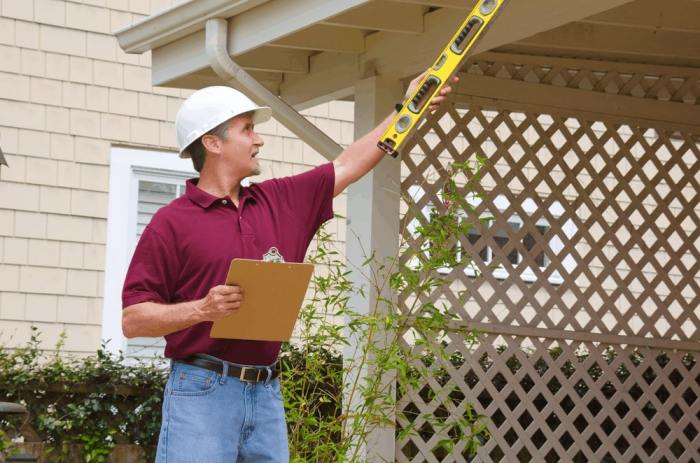
Embark on a journey through the world of home inspection for new construction, uncovering the significance of thorough inspections and common issues encountered along the way. This introduction sets the stage for an insightful exploration of this essential process.
As we delve deeper, we will unravel the step-by-step guide for conducting meticulous home inspections in new construction projects, shedding light on key aspects that often go unnoticed.
Home Inspection for New Construction
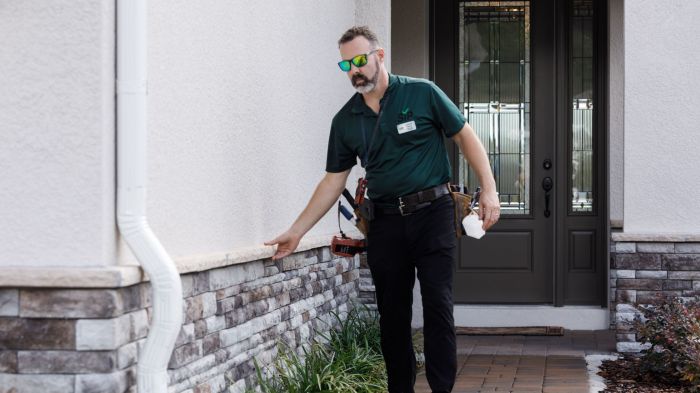
Home inspections for new construction projects are crucial to ensure that the property is built according to standards and free from defects. Conducting a thorough inspection can help identify any issues early on, saving homeowners from costly repairs in the future.
Step-by-Step Guide on Conducting a Thorough Home Inspection for New Construction:
- Start with the exterior: Check the foundation, walls, roof, and windows for any cracks, leaks, or structural issues.
- Inspect the interior: Look for signs of water damage, electrical problems, or poor craftsmanship in areas like the walls, ceilings, and floors.
- Review the plumbing and HVAC systems: Test all faucets, toilets, and heating/cooling units to ensure they are functioning properly.
- Check for proper insulation: Make sure the home is adequately insulated to maintain energy efficiency and comfort.
- Inspect the landscaping and drainage: Ensure that the grading around the property directs water away from the foundation to prevent water damage.
Common Issues Found During Home Inspections for New Construction Projects:
- Improper installation of roofing materials leading to leaks.
- Defective electrical wiring causing safety hazards.
- Poorly sealed windows and doors resulting in energy loss.
- Inadequate ventilation in attics and crawl spaces leading to moisture problems.
- Incorrect grading causing water to accumulate near the foundation.
Kitchen Improvements
When it comes to kitchen improvements in a new construction home, there are plenty of innovative ideas to consider. Whether you’re looking to maximize space, enhance functionality, or simply update the aesthetic, the kitchen is a key area to focus on. Let’s explore some top trends and designs for modern kitchens in new construction projects.
Different Kitchen Layouts and Designs
When planning a new kitchen layout, consider options like the classic U-shape, efficient L-shape, or versatile galley design. Each layout offers unique advantages in terms of workflow, storage, and overall appeal. For a more open concept, an island layout can create a central hub for cooking, dining, and socializing. Incorporating smart storage solutions, such as pull-out pantry shelves or corner cabinets with rotating shelves, can help maximize space and organization.
Latest Trends in Kitchen Improvements
In terms of design trends, sleek and minimalistic styles are on the rise, with clean lines, neutral color palettes, and integrated appliances for a seamless look. Matte black fixtures, statement lighting, and mixed materials like wood and metal are popular choices for adding contrast and visual interest. Smart technology is also making its way into the kitchen, with touchless faucets, voice-activated appliances, and built-in charging stations becoming more common.
Home Improvement and Furniture
When it comes to new construction homes, selecting the right furniture can have a significant impact on the overall aesthetic and functionality of the space. The right furniture pieces can complement the design of the home and enhance its appeal.
Choosing Furniture for New Construction Homes
When choosing furniture for a new construction home, consider the following tips:
- Match the style: Select furniture pieces that complement the architectural style of the home. For example, modern furniture works well in contemporary homes, while traditional furniture suits more classic designs.
- Consider the scale: Ensure that the size of the furniture is appropriate for the space. Avoid overcrowding rooms with oversized pieces or cluttering small rooms with too many items.
- Coordinate colors: Choose furniture colors that harmonize with the color palette of the home. Consider incorporating accent colors from the interior design scheme to tie everything together.
- Focus on function: Prioritize functionality when selecting furniture. Choose pieces that not only look good but also serve a practical purpose in each room.
Enhancing the Aesthetic with Furniture
Furniture plays a crucial role in enhancing the overall aesthetic of a new construction home. By strategically placing furniture pieces, you can create focal points, define living spaces, and add personality to the interior design.
Flooring
When it comes to new construction homes, selecting the right flooring is crucial for both aesthetics and functionality. The flooring options you choose can significantly impact the overall look and feel of your home, as well as its durability and sustainability.
Best Flooring Options for New Construction Homes
- Hardwood: Hardwood flooring is a timeless choice that adds warmth and elegance to any space. It is durable and can last for decades with proper care.
- Laminate: Laminate flooring is a cost-effective alternative to hardwood, offering a similar look at a lower price point. It is easy to install and maintain.
- Tile: Tile flooring is a versatile option that comes in a variety of styles, colors, and patterns. It is water-resistant and ideal for high-traffic areas like kitchens and bathrooms.
- Vinyl: Vinyl flooring is a durable and budget-friendly choice that mimics the look of hardwood or tile. It is easy to clean and maintain.
Importance of Selecting Durable and Sustainable Flooring Materials
Choosing durable and sustainable flooring materials is essential for long-term value and environmental impact. By selecting quality materials, you can ensure that your floors will withstand daily wear and tear, reducing the need for frequent replacements.
Investing in sustainable flooring options can also contribute to a healthier indoor environment by reducing the presence of harmful chemicals and toxins.
Tips on Maintaining and Caring for Different Types of Flooring in New Construction Homes
- Hardwood: Avoid excessive moisture and use furniture pads to prevent scratches. Regularly clean with a hardwood floor cleaner.
- Laminate: Wipe up spills immediately and avoid using harsh cleaning products. Use felt pads under furniture legs to prevent scratching.
- Tile: Clean grout regularly to prevent staining and seal tile floors to protect against moisture. Use a gentle cleaner to avoid damaging the tile surface.
- Vinyl: Sweep or vacuum regularly to remove debris and mop with a vinyl floor cleaner. Avoid using abrasive tools that can scratch the surface.
Green Living
When it comes to new construction homes, incorporating eco-friendly features for sustainable living is not only beneficial for the environment but also for homeowners in the long run. By utilizing green technologies and materials, new construction projects can significantly reduce their carbon footprint and promote a healthier living environment.
Benefits of Green Living in New Construction
- Lower energy costs: Green homes are designed to be more energy-efficient, resulting in lower utility bills for homeowners.
- Improved indoor air quality: Green building materials and ventilation systems help maintain a healthier indoor environment by reducing allergens and pollutants.
- Reduced water consumption: Water-saving fixtures and technologies can help new construction homes minimize water usage and promote water conservation.
- Enhanced resale value: Green features are increasingly in demand among homebuyers, making properties with eco-friendly elements more attractive in the real estate market.
Examples of Green Technologies and Materials
- Solar panels: Utilizing solar energy for electricity can significantly reduce reliance on traditional power sources and lower energy costs.
- Energy-efficient appliances: Installing appliances with high energy efficiency ratings can help minimize electricity consumption and reduce carbon emissions.
- Bamboo flooring: Bamboo is a sustainable material that grows rapidly and can be harvested without causing damage to the environment, making it an eco-friendly flooring option.
- Rainwater harvesting system: Collecting rainwater for non-potable uses like irrigation can help conserve water resources and reduce the strain on municipal water supplies.
Interior Design and Decorating
Creating a cohesive interior design scheme for new construction homes is essential to ensure a harmonious and visually appealing living space. By carefully selecting furniture, decor, and color palettes, you can achieve a balance between style and functionality.
Role of Color Palettes and Accessories
When it comes to interior decorating for new homes, color palettes play a crucial role in setting the overall mood and atmosphere of a room. Neutral tones like whites, creams, and grays can create a sense of calm and sophistication, while bold colors can add a pop of energy and personality. Accessories such as throw pillows, rugs, and artwork can further enhance the design scheme by adding texture and visual interest.
Popular Interior Design Styles
There are several popular interior design styles that complement modern new construction projects. Scandinavian design emphasizes simplicity, functionality, and natural elements, while industrial style incorporates raw materials like metal and wood for a rugged, urban look. Mid-century modern design features clean lines, organic shapes, and a mix of retro and contemporary elements. Each style offers a unique aesthetic that can be tailored to suit your personal taste and preferences.
Bath and Shower
When it comes to bathroom design for new construction homes, staying updated on the latest trends is crucial. From luxurious showers to stylish baths, there are plenty of options to consider when designing a modern bathroom.To start, let’s compare different types of showers and baths that are suitable for modern bathrooms:
Types of Showers and Baths
- Walk-in showers: These spacious showers without doors are a popular choice for a sleek and contemporary look.
- Freestanding tubs: Elegant and luxurious, freestanding tubs can elevate the overall aesthetic of a bathroom.
- Soaking tubs: Perfect for relaxation, soaking tubs come in various shapes and sizes to fit different bathroom layouts.
- Rainfall showerheads: Mimicking the feeling of standing in the rain, these showerheads provide a refreshing shower experience.
When selecting fixtures and finishes for bathrooms in new construction projects, it’s essential to consider the overall design scheme and functionality:
Choosing Fixtures and Finishes
- Opt for high-quality materials that are durable and easy to maintain, such as stainless steel or brushed nickel.
- Coordinate the finishes of faucets, showerheads, and hardware for a cohesive look throughout the bathroom.
- Consider energy-efficient fixtures to reduce water consumption and lower utility bills in the long run.
- Incorporate statement pieces like a decorative mirror or a unique vanity to add personality to the space.
House Plans
Well-designed house plans are essential for new construction projects as they serve as the blueprint for the entire home, dictating the layout, flow, and functionality of the space. A carefully thought-out house plan can enhance the overall livability of the home and ensure that it meets the needs and preferences of the homeowners.
When selecting or customizing house plans for a new construction home, there are several key elements to consider. These include the size and layout of the rooms, the placement of windows and doors for optimal natural light and ventilation, the overall flow of the space, and the integration of any specific features or amenities desired by the homeowners.
Efficient and Functional House Plans
- Open concept layouts that create a seamless flow between living spaces, such as the kitchen, dining, and living areas.
- Well-defined zones for different activities, such as a designated area for work or study, relaxation, and entertaining.
- Efficient use of space with built-in storage solutions, such as closets, cabinets, and shelving to maximize organization and minimize clutter.
- Proper placement of utilities and services, such as electrical outlets, plumbing fixtures, and HVAC systems for convenience and ease of use.
Feng Shui
Feng Shui is an ancient Chinese practice that focuses on harmonizing individuals with their surrounding environment. When it comes to new construction homes, incorporating Feng Shui principles can create a space that promotes positive energy flow and overall well-being.
Incorporating Feng Shui in New Construction
When designing and constructing a new home, there are several ways to incorporate Feng Shui practices to enhance the overall energy of the space:
- Avoid placing the main entrance directly in line with the back door to prevent energy from flowing straight through the house.
- Position the kitchen in a way that allows the cook to see the door without being directly in line with it, symbolizing a sense of security and control.
- Use natural materials like wood, stone, and bamboo to promote a sense of grounding and connection to nature.
- Ensure that rooms are well-lit with natural light to enhance the flow of positive energy throughout the home.
Benefits of Following Feng Shui in New Construction
By following Feng Shui guidelines in new construction projects, homeowners can experience a range of benefits:
- Improved overall well-being and harmony within the household.
- Enhanced energy flow that can lead to increased productivity and creativity.
- Creation of a peaceful and relaxing environment that promotes restful sleep and relaxation.
- Potential increase in property value due to the thoughtful design and positive energy flow of the space.
Heating and Air Conditioning
When it comes to new construction homes, efficient heating and air conditioning systems play a crucial role in ensuring comfort, energy savings, and overall well-being for homeowners. Proper installation and maintenance of HVAC systems are essential for creating a healthy indoor environment.
Different HVAC Systems for Modern Energy-Efficient Homes
- Geothermal Heat Pumps: Utilize underground temperature for heating and cooling, offering high energy efficiency and low operating costs.
- Ductless Mini-Split Systems: Provide zoned heating and cooling, allowing for personalized comfort levels and energy savings.
- Variable Refrigerant Flow (VRF) Systems: Offer precise control over temperature and airflow, optimizing energy usage in different zones of the house.
Tips for Maintaining and Optimizing Heating and Cooling Systems
- Regular Maintenance: Schedule annual inspections and tune-ups to ensure efficient operation and prevent potential breakdowns.
- Change Air Filters: Clean or replace air filters regularly to promote better indoor air quality and enhance system efficiency.
- Programmable Thermostats: Use programmable thermostats to regulate temperatures based on occupancy patterns, saving energy when no one is home.
- Seal Ducts: Ensure ductwork is properly sealed to prevent air leaks and improve system performance.
In conclusion, the discussion on home inspection for new construction encapsulates the crucial role it plays in ensuring the quality and safety of newly built homes. From understanding the importance to navigating through potential challenges, this topic serves as a beacon of knowledge for homeowners and builders alike.
FAQ
What are the key benefits of conducting a home inspection for new construction?
Answer: Home inspections help identify potential issues early on, ensuring that the construction meets quality standards and safety regulations.
How long does a typical home inspection for new construction take?
Answer: The duration of a home inspection can vary based on the size and complexity of the property, but it usually ranges from a few hours to a full day.
Are there specific areas in a new construction home that require special attention during inspection?
Answer: Yes, areas like the foundation, electrical systems, plumbing, and structural components should be carefully examined during a home inspection for new construction.


