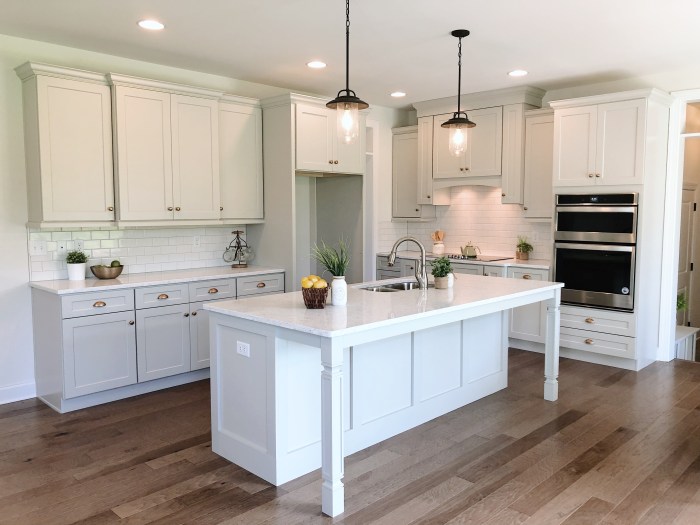
Embark on a journey into the future of kitchen design with a glimpse at the latest trends for 2024, from color schemes to smart technology innovations.
Discover the upcoming color trends, emerging materials, popular lighting fixtures, and insights on smart kitchen technology advancements that will shape the kitchens of tomorrow.
Kitchen Renovation Trends 2024
When it comes to kitchen cabinets, color trends for 2024 are leaning towards bold and vibrant hues. Expect to see a rise in popularity of deep blues, forest greens, and even rich burgundies. These colors can add a touch of drama and sophistication to any kitchen space.
Emerging Materials for Kitchen Countertops
The year 2024 will bring a shift towards sustainable and eco-friendly materials for kitchen countertops. Materials such as recycled glass, bamboo, and reclaimed wood are expected to gain traction due to their durability and environmental benefits.
Popular Lighting Fixtures for Modern Kitchen Designs
- Sleek Pendant Lights: Minimalist pendant lights with clean lines and geometric shapes will be a popular choice for modern kitchen designs in 2024.
- Under Cabinet Lighting: Under cabinet lighting not only adds a stylish touch to the kitchen but also provides functional task lighting for food preparation.
- LED Strip Lights: Energy-efficient and versatile, LED strip lights can be used to highlight certain areas of the kitchen or create a warm ambiance.
Smart Kitchen Technology Advancements
- Smart Appliances: From refrigerators with built-in touchscreens to voice-controlled ovens, smart appliances will continue to revolutionize kitchen spaces in 2024.
- Integrated Automation: Integrated automation systems that allow homeowners to control lighting, temperature, and even coffee makers with a single touch will become more prevalent.
Home Inspections
When it comes to evaluating a home, the kitchen plays a crucial role in determining its overall condition and functionality. A thorough inspection of the kitchen can reveal potential issues that may require attention before making a purchase.
Assessing Kitchen Appliances
One important aspect of a kitchen inspection is assessing the functionality of the appliances. Here is a checklist to help you evaluate the condition of kitchen appliances:
- Check if all appliances are in working order and have no visible damage.
- Test the stove, oven, refrigerator, dishwasher, and microwave to ensure they function properly.
- Inspect the seals and gaskets of the appliances for any signs of wear or leaks.
- Check for any strange noises or odors coming from the appliances.
Identifying Plumbing Issues
Another crucial aspect of a kitchen inspection is identifying potential issues with the plumbing. Here are some signs that may indicate plumbing problems in the kitchen:
- Look for leaks under the sink or around the dishwasher.
- Check for water stains on the ceiling or walls near the kitchen area.
- Test the water pressure in the sink and check for any slow drainage issues.
- Inspect the pipes for signs of corrosion or damage.
Role of Kitchen Ventilation Systems
Kitchen ventilation systems are often overlooked during home inspections, but they play a vital role in maintaining air quality and preventing the buildup of harmful fumes. Here are some key points to consider when evaluating the kitchen ventilation system:
- Check if the exhaust fan is working properly and effectively removing cooking odors and smoke.
- Inspect the ductwork for any blockages or damage that may hinder proper ventilation.
- Ensure that the ventilation system is vented to the outside to prevent the recirculation of contaminated air.
- Clean or replace filters regularly to maintain optimal performance of the ventilation system.
Kitchen Improvements
When it comes to kitchen improvements, there are various aspects to consider in order to enhance the functionality and aesthetics of the space. From optimizing layout options to upgrading storage solutions, implementing energy-efficient appliances, and incorporating innovative designs, there are many ways to transform your kitchen into a more efficient and enjoyable area.
Optimizing Layout Options
When redesigning your kitchen layout, consider different options that can help optimize the available space. Some popular layouts include the L-shaped kitchen, U-shaped kitchen, galley kitchen, and island kitchen. Each layout offers unique advantages in terms of functionality, workflow, and aesthetics.
Upgrading Storage Solutions
Enhancing kitchen storage is essential for maintaining an organized and clutter-free space. Tips for upgrading storage solutions include installing pull-out pantry shelves, utilizing vertical storage with tall cabinets, incorporating drawer dividers for utensils and cutlery, and implementing corner cabinet solutions like lazy Susans or pull-out racks.
Energy-Efficient Appliances
Installing energy-efficient appliances in the kitchen can not only help reduce energy consumption but also save you money in the long run. Look for appliances with the ENERGY STAR label, which indicates that they meet strict energy efficiency guidelines set by the Environmental Protection Agency.
Enhancing Functionality with Innovative Designs
Innovative kitchen designs can greatly enhance the functionality of the space. Consider incorporating features like smart storage solutions, built-in charging stations, touchless faucets, under-cabinet lighting, and integrated smart home technology to create a modern and efficient kitchen environment.
Home Improvement and Furniture
When it comes to kitchen renovations, the impact on overall home value cannot be understated. A well-designed and updated kitchen can significantly increase the value of a property, making it a worthwhile investment for homeowners.
Integrating Kitchen Furniture with Existing Decor
One of the key aspects of a successful kitchen renovation is seamlessly integrating new furniture with the existing decor. This can be achieved by choosing furniture pieces that complement the style and color scheme of the kitchen, creating a cohesive and harmonious look.
Benefits of Custom-Built Furniture for Kitchen Spaces
- Custom-built furniture allows for personalized design options, ensuring that every piece fits perfectly within the space available.
- Custom pieces can be tailored to specific needs and preferences, maximizing functionality and storage space in the kitchen.
- High-quality craftsmanship and materials used in custom-built furniture often result in durable and long-lasting pieces that can withstand daily use.
Tips for Selecting Durable and Stylish Furniture Pieces
- Consider the material of the furniture – opt for durable materials like hardwood or stainless steel for longevity.
- Choose furniture pieces that are easy to clean and maintain, especially in a high-traffic area like the kitchen.
- Look for furniture with versatile designs that can adapt to changing decor trends over time.
- Don’t compromise on comfort – select furniture that is both stylish and practical for everyday use.
Flooring
When it comes to kitchen renovations, choosing the right flooring is crucial. Not only does it need to withstand heavy foot traffic, but it should also be easy to clean and maintain. The flooring material you select can significantly impact the overall look and feel of your kitchen space.
Various Flooring Options
- Hardwood: A classic and timeless choice that adds warmth to any kitchen.
- Tile: Durable and available in a wide range of colors, patterns, and sizes.
- Laminate: Affordable, easy to install, and comes in various styles that mimic natural materials.
- Vinyl: Water-resistant, comfortable underfoot, and budget-friendly.
- Concrete: Industrial-chic option that can be stained or polished for a unique look.
Importance of Durability and Easy Maintenance
Choosing flooring materials that are durable and easy to clean is essential for a high-traffic area like the kitchen. Spills, stains, and heavy use are common in this space, so opt for materials that can withstand these challenges without losing their aesthetic appeal.
Ambiance and Design Impact
The type of flooring you choose can set the tone for your kitchen’s overall ambiance. Light-colored floors can make a small kitchen feel more spacious, while dark floors can add depth and drama. Patterned or textured flooring can also create visual interest and personality in the space.
Trends in 2024
- Patterned Tiles: Intricate designs and geometric patterns are gaining popularity.
- Luxury Vinyl Planks: Mimicking the look of hardwood with added durability and water resistance.
- Terrazzo: Making a comeback with its unique speckled appearance and versatility.
- Large Format Tiles: Minimal seams for a sleek and modern look.
Furniture
When it comes to kitchen furniture design, the latest trends focus on sleek and modern styles with a mix of materials like wood, metal, and glass. Open shelving, minimalist designs, and smart storage solutions are also popular choices in 2024.
Multifunctional Furniture Benefits
- Maximizes space efficiency
- Provides versatility in functionality
- Creates a streamlined look
- Enhances organization in the kitchen
Choosing Complementary Furniture
When selecting furniture that complements the kitchen style, consider factors such as color, material, and design. Opt for pieces that harmonize with the overall theme of the kitchen and enhance its aesthetic appeal.
Maintaining and Caring Tips
- Regularly dust and clean furniture surfaces
- Avoid using harsh chemicals that can damage the finish
- Use coasters or placemats to protect furniture from heat and moisture
- Inspect for any signs of wear and tear and address them promptly
Green Living
Creating a sustainable and eco-friendly kitchen is not only beneficial for the environment but also for your health and well-being. By incorporating green living practices into your kitchen renovation, you can reduce your carbon footprint and create a healthier living space for you and your family.
Sustainable Materials and Practices
- Choose renewable materials such as bamboo, cork, or reclaimed wood for cabinets, countertops, and flooring.
- Opt for low-VOC paints and finishes to improve indoor air quality.
- Consider installing energy-efficient LED lighting to reduce energy consumption.
Energy-Efficient Appliances
- Invest in Energy Star-rated appliances to save on energy costs and reduce greenhouse gas emissions.
- Look for appliances with smart features that help you monitor and control energy usage.
- Consider installing a water-saving dishwasher and faucet to conserve water.
Incorporating Indoor Plants and Natural Elements
- Add potted plants or a vertical herb garden to improve indoor air quality and bring nature indoors.
- Use natural materials like stone or wood to create a warm and inviting atmosphere in your kitchen.
- Consider installing large windows or skylights to maximize natural light and reduce the need for artificial lighting during the day.
Reducing Waste and Promoting Recycling
- Set up a compost bin in your kitchen to recycle food scraps and reduce landfill waste.
- Invest in a recycling station with separate bins for paper, plastic, glass, and metal to make recycling convenient and accessible.
- Avoid single-use plastics and choose reusable or compostable alternatives for kitchen items like utensils, containers, and bags.
Interior Design and Decorating
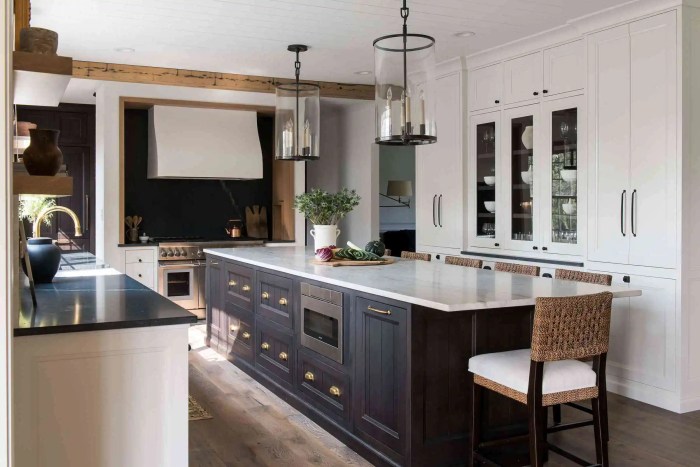
When it comes to kitchen interior design, color schemes play a crucial role in creating a cohesive and harmonious look. The right choice of colors can set the mood and style of the space, whether you prefer a modern, traditional, or eclectic design.
Role of Color Schemes
- Neutral tones like white, beige, and gray create a clean and timeless look, while bold colors like navy blue, emerald green, or deep red can add a touch of drama and personality.
- Consider using a mix of colors to create visual interest, such as pairing a neutral base with a pop of vibrant color in accessories or accents.
- Color coordination with cabinets, countertops, backsplash, and flooring is essential to ensure a cohesive and balanced overall design.
Importance of Textures and Patterns
- Textures like wood, stone, metal, and glass can add depth and warmth to the kitchen design, creating a more inviting and tactile space.
- Incorporating patterns through tiles, wallpapers, or textiles can bring personality and visual appeal, enhancing the overall aesthetic of the kitchen.
- Combining different textures and patterns can create a dynamic and layered look, adding dimension and interest to the design.
Balance of Functionality and Aesthetics
- While aesthetics are important, functionality should not be compromised in kitchen design. Opt for durable materials and practical layouts that suit your cooking habits and lifestyle.
- Choose appliances, fixtures, and storage solutions that not only look good but also serve their intended purpose efficiently, enhancing both the visual appeal and usability of the kitchen.
- Finding the right balance between aesthetics and functionality is key to creating a kitchen that is both beautiful and practical.
Personal Touches and Character
- Add personal touches to the kitchen space by incorporating items that reflect your personality, such as artwork, collectibles, or family heirlooms.
- Showcase your style through decorative accessories like vases, plants, or decorative bowls that add charm and character to the design.
- Consider customizing elements like cabinet hardware, lighting fixtures, or seating options to infuse your unique taste and style into the kitchen.
Bath and Shower
When it comes to kitchen renovation trends in 2024, the integration of baths and showers into the kitchen area is gaining popularity. This innovative approach not only saves space but also adds a unique and luxurious touch to the kitchen.
Latest Trends in Kitchen and Bath Integration
- One of the latest trends is to have a shower within the kitchen space, creating a spa-like experience at home.
- Integrating a bath or shower in the kitchen allows for a seamless flow between cooking, dining, and relaxation areas.
- This trend emphasizes the idea of multi-functional spaces in modern homes, where every corner serves a purpose.
Benefits of Having a Shower in the Kitchen Area
- Maximizes space utilization, especially in smaller homes or apartments where separate bath areas may not be feasible.
- Creates a unique and stylish design element that can become a focal point in the kitchen.
- Offers convenience for quick showers or rinsing off after cooking or gardening activities.
Designing a Stylish and Functional Shower in the Kitchen Space
- Choose sleek and modern fixtures that complement the overall kitchen design.
- Opt for materials that are water-resistant and easy to clean to maintain hygiene and durability.
- Incorporate proper ventilation to prevent moisture build-up and ensure a comfortable showering experience.
Tips for Maintaining Cleanliness and Hygiene in Kitchen Showers
- Clean the shower area regularly with mild disinfectants to prevent mold and mildew growth.
- Use squeegees or towels to dry the shower walls and floor after each use to reduce water stains and soap scum buildup.
- Consider installing a water softener to prevent mineral deposits and maintain the longevity of shower fixtures.
House Plans
When it comes to kitchen renovations in 2024, considering different house plans is essential to create a functional and aesthetically pleasing space. The layout of the kitchen can greatly impact the overall flow and usability of the house, making it crucial to customize designs based on specific house plans.
Kitchen Layout Options for Different House Plans
- For open-concept layouts: Consider a large kitchen island to define the space and provide additional storage and seating options.
- In smaller homes: Opt for a galley or L-shaped kitchen layout to maximize storage and counter space while keeping the area efficient.
- In larger homes: Explore U-shaped or G-shaped layouts to create a spacious and functional kitchen with ample room for cooking and entertaining.
Importance of Kitchen Positioning within the Overall House Layout
- The kitchen should be positioned for easy access to dining and living areas, creating a seamless flow for everyday activities and social gatherings.
- Placing the kitchen near the main entrance or garage can streamline grocery unloading and meal preparation, enhancing convenience.
- Consider natural light and ventilation when positioning the kitchen to make the space inviting and comfortable for cooking and dining.
Customizing Kitchen Designs Based on Specific House Plans
- Work with the existing layout and architectural features of the house to create a cohesive design that complements the overall style and aesthetic.
- Adjust cabinet sizes, appliance placement, and countertop materials to fit the dimensions and flow of each room in the house plan.
- Personalize the kitchen design with unique finishes, hardware, and lighting fixtures to reflect your taste and lifestyle preferences.
Ideas for Incorporating Open-Concept Kitchen Layouts in Modern House Plans
- Remove walls or partitions to open up the kitchen to adjacent living and dining areas, promoting interaction and a sense of spaciousness.
- Use cohesive flooring and color schemes throughout the open-concept space to create a unified look and harmonious flow between the different areas.
- Consider adding a breakfast bar or built-in seating to the kitchen island to encourage casual dining and socializing in the heart of the home.
Feng Shui
When it comes to kitchen design, incorporating the principles of Feng Shui can help create a space that promotes positive energy flow and harmony. By understanding the basic concepts of Feng Shui, you can enhance the overall atmosphere of your kitchen and improve the well-being of everyone who uses it.
Creating a Harmonious Kitchen Space
- Position your stove in a commanding position, allowing you to see the entrance of the kitchen while cooking. This symbolizes stability and control.
- Keep your kitchen clutter-free to allow energy (or “chi”) to flow smoothly throughout the space. Clutter can block positive energy and create chaos.
- Introduce elements of nature into your kitchen, such as plants or natural materials, to bring a sense of balance and tranquility.
Significance of Kitchen Layout and Organization
- Ensure that your kitchen layout promotes ease of movement and functionality. A well-organized kitchen allows for efficient food preparation and cooking.
- Pay attention to the colors used in your kitchen design. According to Feng Shui, colors can influence emotions and energy levels. Opt for calming and soothing colors to create a peaceful environment.
- Avoid placing sharp objects, such as knives or corners of countertops, in direct line with where you spend the most time in the kitchen. This can create negative energy flow.
Enhancing Energy Flow and Positivity
- Use mirrors strategically in your kitchen to reflect light and energy, making the space feel brighter and more expansive.
- Place fresh fruits on your countertops to symbolize abundance and prosperity. This can attract positive energy and good fortune into your kitchen.
- Regularly clean and maintain your kitchen appliances and fixtures to prevent energy blockages and ensure the smooth flow of energy.
Heating and Air Conditioning
Proper ventilation in the kitchen is essential for maintaining a healthy indoor environment. It helps to remove cooking odors, smoke, and excess moisture, which can lead to mold growth and poor air quality. In addition, adequate ventilation can prevent the buildup of harmful pollutants that can be released during cooking, such as carbon monoxide.
Importance of Proper Ventilation
- Install a range hood with a vent that exhausts to the outside to remove cooking fumes and odors efficiently.
- Consider installing operable windows or a skylight to allow for natural ventilation and fresh air circulation.
- Clean or replace ventilation filters regularly to ensure optimal performance.
Role of Heating and Air Conditioning Systems
- Heating and air conditioning systems play a crucial role in maintaining kitchen comfort by regulating temperature and humidity levels.
- Properly sized HVAC systems can ensure consistent airflow and temperature distribution throughout the kitchen space.
- Regular maintenance of heating and cooling equipment is essential to ensure optimal performance and energy efficiency.
Optimizing Heating and Cooling Efficiency
- Use programmable thermostats to adjust temperature settings based on your schedule and reduce energy consumption.
- Seal gaps and cracks around windows, doors, and vents to prevent air leaks and improve insulation.
- Consider upgrading to energy-efficient appliances and HVAC systems to reduce energy costs and environmental impact.
Addressing Common HVAC Challenges
- Ensure proper ventilation ductwork is installed to prevent airflow restrictions and maintain air quality.
- Balance airflow distribution by adjusting vents and dampers to maximize heating and cooling efficiency.
- Consult with HVAC professionals to address any issues with inadequate heating or cooling in specific areas of the kitchen.
As you envision your dream kitchen, remember to incorporate these trends to create a space that is both stylish and functional, embracing the latest innovations in kitchen renovation for 2024.
Q&A
What are the key color trends for kitchen cabinets in 2024?
In 2024, expect to see a shift towards more bold and vibrant colors for kitchen cabinets, moving away from traditional neutrals.
How can I optimize kitchen storage solutions in a small space?
Consider utilizing vertical storage options like hanging racks and shelves, as well as pull-out drawers and organizers to maximize space efficiency.
What are the benefits of integrating energy-efficient appliances in the kitchen?
Energy-efficient appliances not only help reduce utility bills but also contribute to a more eco-friendly and sustainable kitchen environment.


