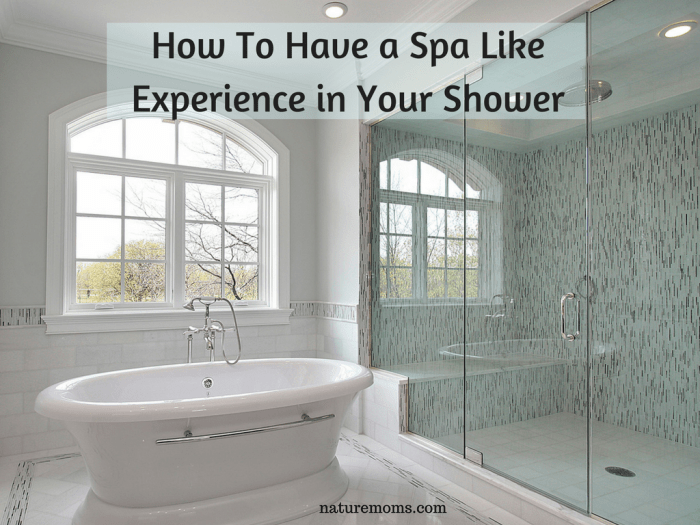
Spa-like shower experiences at home sets the stage for this enthralling narrative, offering readers a glimpse into a story that is rich in detail and brimming with originality from the outset. Dive into the world of luxurious self-care within the comfort of your own bathroom as we explore the key elements and innovations that can elevate your daily shower routine to a pampering sanctuary.
Get ready to discover how incorporating aromatherapy, chromotherapy, and cutting-edge shower technologies can turn your mundane showers into rejuvenating spa-like experiences that nourish both body and soul.
Spa-like Shower Experiences at Home
Transforming your home shower into a spa-like oasis can provide a luxurious and rejuvenating experience right in the comfort of your own home. By incorporating specific elements and innovative technologies, you can enhance relaxation and create a serene atmosphere for your daily shower routine.
Elements for Creating a Spa-like Atmosphere
Creating a spa-like atmosphere in your home shower involves incorporating elements that appeal to the senses and promote relaxation. Some key elements include:
- Aromatherapy: Utilizing essential oils or fragrances can help create a calming and soothing ambiance in your shower space. Scents like lavender, eucalyptus, or citrus can promote relaxation and reduce stress.
- Soft Lighting: Installing dimmable or colored LED lights can mimic the soft and tranquil lighting often found in spas. This can help create a calming atmosphere and enhance the overall shower experience.
- Natural Elements: Incorporating natural materials such as bamboo, stone, or wood accents can bring a touch of nature into your shower space, adding to the relaxing and spa-like feel.
Innovative Shower Technologies for Relaxation
Advancements in shower technologies have made it possible to enhance relaxation and rejuvenation in the comfort of your own home. Some innovative features include:
- Steam Showers: Steam showers can provide a spa-like experience by creating a steamy environment that helps relax muscles, open pores, and promote detoxification.
- Aromatherapy Diffusers: Built-in aromatherapy diffusers in showerheads can release essential oils or fragrances into the steam, enhancing the overall sensory experience.
- Waterfall Showerheads: Waterfall showerheads simulate the feeling of standing under a gentle waterfall, providing a soothing and immersive shower experience.
Benefits of Aromatherapy and Chromotherapy
Incorporating aromatherapy and chromotherapy into your home shower experience can offer numerous benefits for both the body and mind:
- Aromatherapy: Using essential oils in your shower can help reduce stress, improve mood, alleviate congestion, and promote relaxation and overall well-being.
- Chromotherapy: Chromotherapy, or color therapy, involves using colored lights to balance energy and promote feelings of calmness, rejuvenation, and harmony.
- Combined Benefits: Combining aromatherapy with chromotherapy in your home shower can create a holistic sensory experience that addresses both physical and emotional well-being.
Home Inspections
Regular home inspections are crucial for maintaining the safety and functionality of your living space. By identifying issues early on, you can prevent costly repairs and ensure the well-being of your household members.
DIY Home Inspection Checklist
Conducting a DIY home inspection can help you stay on top of maintenance tasks and address potential problems before they escalate. Here is a checklist to guide you:
- Check for leaks in faucets, pipes, and water heaters.
- Inspect the condition of your roof for any signs of damage or wear.
- Test smoke detectors and carbon monoxide alarms to ensure they are working properly.
- Examine the foundation of your home for cracks or shifting.
- Clean gutters and downspouts to prevent water damage.
Professional Home Inspectors
While DIY inspections are beneficial, there are certain situations where hiring a professional home inspector is necessary. Consider hiring a professional when:
- You are buying or selling a home to get an unbiased assessment of its condition.
- You suspect hidden issues that require specialized equipment to detect.
- You want to ensure compliance with building codes and regulations.
Kitchen Improvements
When it comes to upgrading your kitchen space, there are plenty of budget-friendly ideas that can make a big impact. Whether you’re looking to enhance functionality, increase storage, or simply give your kitchen a fresh new look, there are options for every budget.
Keeping up with the latest trends in kitchen design and improvements can help you create a modern and stylish space. From sleek minimalist designs to bold color choices and innovative storage solutions, there are endless possibilities to explore.
Budget-Friendly Kitchen Upgrades
- Painting cabinets for a fresh new look
- Updating hardware for a modern touch
- Adding a backsplash for a pop of color
- Installing under cabinet lighting for better visibility
Latest Trends in Kitchen Design
- Open shelving for a more spacious feel
- Mixed materials like wood and metal for a unique look
- Smart appliances for added convenience
- Luxurious finishes like marble countertops
Impact of Kitchen Improvements on Home Value
- Upgrading the kitchen can significantly increase the value of your home
- Modern and stylish kitchens are attractive to potential buyers
- Investing in quality materials and finishes can pay off in the long run
- A well-designed kitchen can set your home apart from others on the market
Home Improvement and Furniture
When it comes to home improvement projects, furniture selection plays a crucial role in enhancing the overall look and feel of a space. The right furniture can transform a room, making it more functional, comfortable, and visually appealing.
Choosing Furniture to Complement Interior Design
When choosing furniture to complement a home’s interior design, it’s essential to consider the style, color scheme, and overall aesthetic of the space. Here are some tips to keep in mind:
- Consider the existing decor: Choose furniture that complements the existing decor and architectural elements of the room.
- Focus on functionality: Select furniture pieces that not only look good but also serve a practical purpose in the space.
- Match the color palette: Opt for furniture pieces that align with the color palette of the room to create a cohesive look.
- Scale and proportion: Ensure that the size and scale of the furniture are appropriate for the room to maintain a balanced and harmonious feel.
Benefits of Investing in Quality Furniture
Investing in quality furniture may require a higher upfront cost, but the long-term benefits outweigh the initial investment. Here are some advantages of opting for quality furniture:
- Durability: Quality furniture is built to last, ensuring longevity and reducing the need for frequent replacements.
- Comfort: High-quality furniture often offers superior comfort and support, enhancing the overall experience of using the space.
- Aesthetics: Well-crafted furniture adds a touch of elegance and sophistication to a room, elevating its visual appeal.
- Value retention: Quality furniture retains its value over time, making it a worthwhile investment that can be passed down through generations.
Flooring
When it comes to selecting the right flooring for your home, durability and maintenance are key factors to consider. Additionally, keeping up with the latest trends in flooring designs can help you create a modern and stylish space. Here, we will compare different types of flooring materials, discuss trends in flooring designs, and share tips for choosing the best flooring based on room usage and style preferences.
Types of Flooring Materials
- Hardwood: Known for its durability and timeless appeal, hardwood floors require regular maintenance to keep them looking their best. They can be prone to scratches and water damage, so it’s important to take proper care of them.
- Laminate: A more affordable alternative to hardwood, laminate flooring is easy to maintain and comes in a variety of designs that mimic natural materials like wood and stone. However, it may not be as durable as hardwood in the long run.
- Tile: Tile flooring is a popular choice for bathrooms and kitchens due to its water-resistant properties. It is easy to clean and comes in a wide range of colors and patterns. However, grout lines can be difficult to keep clean.
Trends in Flooring Designs
- Wide Plank Hardwood: Wide plank hardwood flooring is gaining popularity for its modern and luxurious look. It can make a room appear larger and more open.
- Luxury Vinyl: Luxury vinyl flooring is becoming a favorite among homeowners for its durability, water resistance, and ability to mimic natural materials like hardwood and stone.
- Patterned Tile: Patterned tiles are a great way to add visual interest and personality to a room. From geometric designs to intricate patterns, there is a wide variety of options to choose from.
Tips for Selecting the Right Flooring
- Consider the room usage: For high-traffic areas like the living room, durable flooring like hardwood or laminate may be a better choice. For moisture-prone areas like the bathroom, consider water-resistant options like tile or luxury vinyl.
- Match the style: Choose flooring that complements the style of your home. For a modern look, opt for sleek and minimalist designs. For a more rustic feel, consider natural materials like hardwood or stone.
- Think about maintenance: Some flooring materials require more upkeep than others. If you prefer low-maintenance options, consider materials like laminate or luxury vinyl that are easy to clean and maintain.
Green Living
Living a green lifestyle not only benefits the environment but also contributes to a healthier and more sustainable home. By adopting eco-friendly practices, you can reduce your carbon footprint, lower energy costs, and create a more comfortable living space.
Benefits of Adopting Eco-Friendly Practices
- Reduce energy consumption and lower utility bills
- Minimize waste and promote recycling
- Improve indoor air quality with natural materials
- Create a healthier living environment for you and your family
Sustainable Materials for Home Construction and Improvement
- Use bamboo flooring for a renewable and durable option
- Install energy-efficient windows to reduce heating and cooling costs
- Opt for low VOC paints to improve indoor air quality
- Choose recycled glass countertops for a stylish and eco-friendly kitchen upgrade
Ways to Reduce Energy Consumption
- Switch to LED light bulbs for energy-efficient lighting
- Install a programmable thermostat to regulate heating and cooling
- Use solar panels to harness renewable energy and reduce electricity bills
- Opt for energy-efficient appliances to lower overall energy usage
Interior Design and Decorating
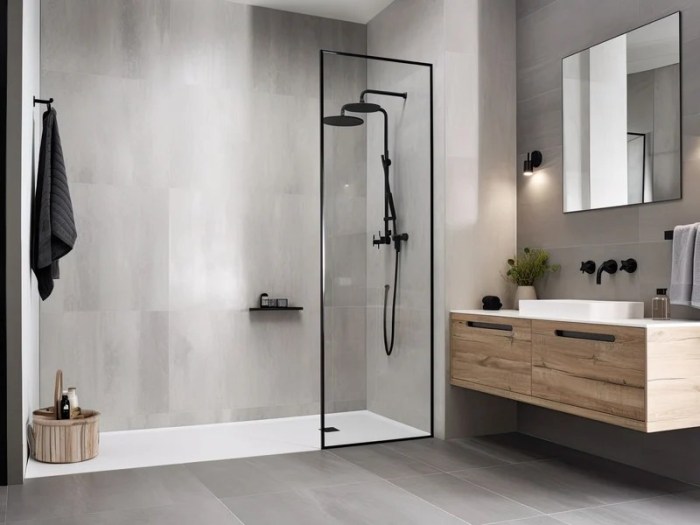
Creating a cohesive interior design scheme can transform a house into a home that reflects your personal style and enhances your living space. By incorporating elements like colors, textures, and lighting, you can create a harmonious and inviting atmosphere that suits your taste.
Role of Colors, Textures, and Lighting
Colors, textures, and lighting play crucial roles in interior design, setting the mood and ambiance of a space. Choosing the right color palette can evoke different emotions – for instance, warm tones like red and yellow create a cozy feel, while cool tones like blue and green promote relaxation. Textures add depth and visual interest to a room, whether through soft fabrics, sleek surfaces, or natural materials.
Lighting is key for both functionality and aesthetics, as it can highlight architectural features, create focal points, and enhance the overall atmosphere.
Ideas for Decorating Different Rooms
- Living Room: Opt for a comfortable sofa and chairs, add throw pillows and blankets for coziness, and incorporate a statement piece like a bold rug or artwork.
- Bedroom: Focus on creating a relaxing retreat with soft bedding, ambient lighting, and personal touches like family photos or decorative items that reflect your personality.
- Kitchen: Enhance functionality with efficient storage solutions, stylish countertops, and a cohesive color scheme that ties the space together.
- Bathroom: Create a spa-like oasis with soothing colors, plush towels, scented candles, and luxurious bath accessories for a tranquil experience.
Bath and Shower
When it comes to bath and shower designs for modern homes, staying updated on the latest trends can help you create a relaxing and stylish space. From sleek minimalist showers to luxurious spa-like baths, there are plenty of options to choose from.
Types of Showerheads and Their Benefits
- Rainfall Showerheads: These larger showerheads mimic the sensation of standing in a gentle rain shower, providing a soothing and luxurious experience.
- Handheld Showerheads: Perfect for targeted washing and flexibility, handheld showerheads are great for those who prefer a more customizable shower experience.
- Massage Showerheads: Equipped with pulsating jets, massage showerheads offer a spa-like experience by relieving tension and promoting relaxation.
- High-Pressure Showerheads: Ideal for those who enjoy a strong water flow, high-pressure showerheads provide a refreshing and invigorating shower experience.
Organizing Bath Essentials and Creating a Spa-like Ambiance
Organizing your bath essentials not only keeps your bathroom clutter-free but also enhances the overall spa-like ambiance. Consider using stylish baskets or shelves to store towels, bath products, and candles neatly. Adding calming scents like lavender or eucalyptus can further elevate the spa-like atmosphere in your bathroom.
Furniture
When it comes to optimizing space and functionality at home, furniture layout plays a crucial role. The way furniture is arranged can greatly impact the flow and usability of a room, making it essential to plan the layout thoughtfully.
Repurposing or upcycling furniture is not only a sustainable approach to home decor but also a creative way to add unique pieces to your space. By giving old furniture a new purpose or look, you can reduce waste and create a one-of-a-kind design element for your home.
Significance of Furniture Layout
Efficient furniture layout can help maximize space utilization and improve the functionality of a room. Here are some ideas to consider:
- Use multifunctional pieces such as storage ottomans or convertible sofa beds to save space.
- Arrange furniture to create clear pathways and designated zones for different activities.
- Consider the scale and proportion of furniture in relation to the room size to maintain balance.
Repurposing and Upcycling Furniture
Repurposing or upcycling furniture can give a new life to old pieces and contribute to a sustainable home environment. Here are some ways to approach this:
- Turn an old dresser into a bathroom vanity or a bookshelf into a bar cart.
- Paint or reupholster furniture to refresh its look and match your current decor style.
- Combine different pieces to create custom furniture that suits your specific needs and preferences.
Impact of Furniture Placement
The placement of furniture can significantly affect the flow and aesthetics of a room. Consider these factors when arranging furniture:
- Position furniture in a way that enhances natural light and promotes a sense of openness.
- Create focal points with key furniture pieces to draw attention and anchor the room’s design.
- Avoid blocking windows, doorways, or pathways with furniture to maintain a functional layout.
House Plans
When choosing or designing house plans, there are several key elements to consider to ensure that the space fits your needs and lifestyle. Functionality, flow, and flexibility are crucial aspects that can greatly impact the overall comfort and usability of your home. Let’s delve into some popular house plan styles and their unique features.
Key Elements in House Plans
- Room Layout: Consider the number and size of rooms you need, as well as their location within the house for optimal functionality.
- Open Concept Design: Open floor plans can create a sense of spaciousness and promote better flow between different areas of the house.
- Storage Space: Adequate storage solutions like closets, cabinets, and built-in shelves are essential for keeping the house organized and clutter-free.
- Outdoor Living: If you enjoy spending time outdoors, incorporating features like a patio, deck, or balcony in the house plan can enhance your living experience.
Popular House Plan Styles
- Colonial: Characterized by symmetry, columns, and a formal entryway, Colonial house plans often feature two or three stories with a center staircase.
- Ranch: Single-story living with an emphasis on accessibility and convenience, Ranch house plans typically have an open layout and are ideal for aging in place.
- Craftsman: Known for their handcrafted details and natural materials, Craftsman house plans showcase exposed beams, woodwork, and stone accents.
- Modern: Clean lines, large windows, and open spaces define Modern house plans, which prioritize simplicity and minimalism.
Feng Shui
Feng Shui is an ancient Chinese practice that focuses on creating harmony and balance in the environment to promote well-being and positive energy flow. By incorporating Feng Shui principles into home design, you can enhance the overall atmosphere of your living space and improve your quality of life.
Incorporating Feng Shui Elements
When it comes to incorporating Feng Shui elements into different rooms of a house, there are several key tips to keep in mind:
- Clear Clutter: Removing clutter from your home allows for the free flow of energy, promoting a sense of calm and harmony.
- Balance Elements: Incorporate a balance of elements such as wood, fire, earth, metal, and water in each room to create a harmonious environment.
- Use Natural Light: Maximizing natural light in your home not only improves the energy flow but also uplifts the mood and creates a positive atmosphere.
- Position Furniture Thoughtfully: Arrange furniture in a way that promotes easy movement and allows for the flow of energy throughout the room.
Benefits of Following Feng Shui Practices
Following Feng Shui practices in your home can have numerous benefits for your overall well-being and harmony:
- Improved Energy Flow: By aligning your living space with Feng Shui principles, you can enhance the flow of positive energy and reduce negative influences.
- Enhanced Health and Happiness: A balanced and harmonious environment can promote physical health, emotional well-being, and overall happiness.
- Increased Prosperity: Feng Shui practices are believed to attract wealth and abundance by creating a space that is conducive to success and prosperity.
- Stress Reduction: A well-designed and harmonious home can help reduce stress levels and create a sense of peace and tranquility.
Heating and Air Conditioning
When it comes to creating a comfortable indoor environment, the heating and air conditioning systems in our homes play a crucial role. Understanding the different options available, the importance of regular maintenance, and how to optimize indoor comfort and air quality are essential for every homeowner.
Comparing Heating and Cooling Systems
Choosing the right heating and cooling system for your home can have a significant impact on both your comfort and your energy bills. Here are some common options to consider:
- Forced Air Heating: This system uses ductwork to distribute heated or cooled air throughout the house, providing consistent temperatures.
- Radiant Heating: This system heats the floors, walls, or ceilings directly, offering a more comfortable and energy-efficient alternative.
- Ductless Mini-Split Systems: Ideal for homes without ductwork, these systems provide targeted heating and cooling for specific zones.
Importance of Regular Maintenance
Regular maintenance of your heating and air conditioning units is essential to ensure they operate efficiently and effectively. Neglecting maintenance can lead to decreased performance, higher energy bills, and costly repairs. Here are some tips to keep your HVAC system in top condition:
- Schedule annual professional inspections and tune-ups to catch any issues early.
- Replace air filters regularly to maintain good air quality and prevent strain on the system.
- Clear debris from outdoor units to ensure proper airflow and prevent overheating.
Optimizing Indoor Comfort and Air Quality
Proper management of your HVAC system can not only enhance indoor comfort but also improve air quality. Here are some tips to optimize your system:
- Install a programmable thermostat to regulate temperatures and save energy when you’re away.
- Use ceiling fans to help distribute air evenly and reduce the workload on your HVAC system.
- Consider investing in a humidifier or dehumidifier to maintain optimal humidity levels for comfort and health.
As we wrap up this exploration of spa-like shower experiences at home, remember that transforming your shower routine can truly enhance your overall well-being and add a touch of luxury to your daily life. Embrace the tranquility and relaxation that a spa-like shower experience can bring, and indulge in the rejuvenating oasis that awaits you just behind the shower curtain.
Quick FAQs
Can I create a spa-like atmosphere in my shower without major renovations?
Absolutely! Simple additions like essential oil diffusers, LED lighting, and plush towels can instantly elevate your shower experience.
How can I incorporate aromatherapy and chromotherapy into my home shower?
You can add essential oils to your shower routine for aromatherapy benefits, and install color-changing LED lights for chromotherapy effects.
What are some budget-friendly ways to create a spa-like ambiance in the bathroom?
Consider adding plants, using scented candles, and investing in a comfortable shower bench for a spa-like feel without breaking the bank.
Are there any innovative shower technologies that can enhance relaxation?
Yes, options like digital shower systems with customizable settings, rainfall showerheads, and steam showers can take your relaxation to the next level.


