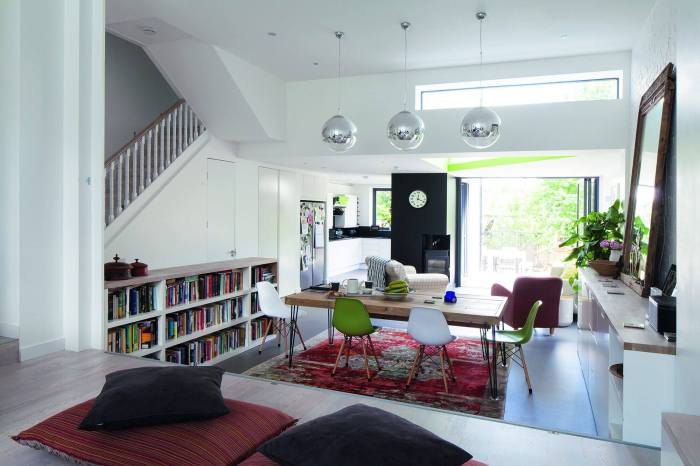
Embark on a journey towards eco-friendly living with Green home renovations, where sustainability meets style and functionality for a greener future.
Explore the key aspects of transforming your home into a sustainable haven with our comprehensive guide.
Home Inspections
Before embarking on green home renovations, it is crucial to conduct a thorough home inspection to assess the current condition of the property. This inspection will help identify any issues that may need to be addressed before implementing eco-friendly upgrades.
Key Areas to Focus on During a Home Inspection
- Roof: Check for leaks, damage, or signs of wear and tear that may affect energy efficiency.
- Insulation: Inspect the insulation in the walls, attic, and floors to ensure proper coverage and reduce energy loss.
- Windows and Doors: Look for drafts, cracks, or gaps that could result in heat loss or gain.
- HVAC System: Evaluate the heating, ventilation, and air conditioning system for efficiency and potential upgrades.
- Plumbing: Check for leaks, water damage, and efficiency of fixtures to conserve water.
Common Issues Found During Home Inspections
- Outdated HVAC Systems: Older systems may be less energy-efficient and require replacement for green renovations.
- Poor Insulation: Inadequate insulation can lead to energy waste and discomfort, necessitating upgrades for better efficiency.
- Leaky Windows and Doors: Drafty openings can result in significant energy loss, requiring sealing or replacement.
- Water Damage: Moisture issues can impact indoor air quality and structural integrity, needing remediation before green upgrades.
Kitchen Improvements
When it comes to green kitchen renovations, choosing eco-friendly materials and appliances is essential for sustainability and energy efficiency. These upgrades not only reduce your carbon footprint but also create a healthier living environment for you and your family.
Eco-Friendly Materials for Kitchen Renovations
Opting for sustainable materials such as bamboo, reclaimed wood, recycled glass countertops, and cork flooring can significantly reduce the environmental impact of your kitchen renovation. These materials are not only eco-friendly but also durable and stylish, adding value to your home in the long run.
Energy-Efficient Appliances
Investing in energy-efficient appliances like ENERGY STAR-rated refrigerators, dishwashers, and stoves can help reduce your energy consumption and lower utility bills. These appliances are designed to operate more efficiently, saving both energy and money in the long term.
Cost-Effectiveness of Sustainable Kitchen Upgrades
While sustainable kitchen upgrades may have a higher upfront cost compared to traditional renovations, they offer long-term savings through reduced energy consumption and maintenance costs. Additionally, these eco-friendly improvements can increase the overall value of your home, making them a worthwhile investment in the future.
Home Improvement and Furniture
When it comes to green home renovations, the choice of furniture plays a crucial role in enhancing sustainability and eco-friendliness. Sustainable furniture options not only reduce the environmental impact but also contribute to a healthier living space.
Sustainable Furniture Choices
Opting for sustainable furniture made from eco-friendly materials such as reclaimed wood, bamboo, or recycled metal can significantly reduce the carbon footprint of your home renovation project. These materials are not only durable but also help in preserving natural resources.
Incorporating Upcycled or Recycled Furniture
Integrating upcycled or recycled furniture into home improvement projects is a great way to add character and uniqueness to your living space. Items like refurbished vintage pieces or repurposed materials not only reduce waste but also showcase creativity and individuality in design.
Impact of Furniture Placement
The placement of furniture within a home can impact energy efficiency and indoor air quality. Strategic positioning of furniture to allow for proper airflow and natural light can help in reducing the reliance on artificial lighting and heating, thus lowering energy consumption. Additionally, choosing furniture made from non-toxic materials can improve indoor air quality and create a healthier environment for occupants.
Flooring
When it comes to green home renovations, choosing eco-friendly flooring options can have a significant impact on the overall sustainability of your home. Eco-friendly flooring not only helps reduce your carbon footprint but also promotes better indoor air quality and a healthier living environment.
It is essential to compare different sustainable flooring materials in terms of durability and maintenance to ensure that your flooring choice not only aligns with your green goals but also stands the test of time. Some popular sustainable flooring options include bamboo, cork, reclaimed wood, and linoleum, each offering unique benefits and characteristics.
Comparing Sustainable Flooring Materials
- Bamboo: Known for its rapid growth and renewability, bamboo flooring is durable and easy to maintain. It is a sustainable alternative to traditional hardwood floors.
- Cork: Harvested from the bark of cork oak trees, cork flooring is resilient, comfortable underfoot, and naturally resistant to mold and mildew.
- Reclaimed Wood: Using reclaimed wood for flooring not only adds a unique charm to your home but also reduces the demand for new timber, making it an environmentally friendly choice.
- Linoleum: Made from natural materials like linseed oil, cork dust, and wood flour, linoleum flooring is biodegradable, long-lasting, and easy to clean.
When selecting flooring that complements the overall green design of your home, consider factors such as the material’s sustainability, indoor air quality impact, energy efficiency, and maintenance requirements. By choosing eco-friendly flooring options that are durable, low-maintenance, and environmentally responsible, you can create a sustainable living space that reflects your commitment to a greener lifestyle.
Green Living
Green living is a lifestyle choice that focuses on reducing one’s environmental impact by making sustainable choices in everyday life. When it comes to home renovations, the concept of green living plays a crucial role in influencing decisions regarding materials, energy efficiency, and overall sustainability.One of the key aspects of incorporating green living into home renovations is the use of eco-friendly materials.
This includes choosing materials that are renewable, recyclable, or made from sustainable sources. For example, opting for bamboo flooring instead of hardwood or using reclaimed wood for furniture can significantly reduce the environmental footprint of the renovation project.In addition to materials, energy efficiency is another important factor in green living home renovations. This can involve installing energy-efficient appliances, improving insulation, or incorporating solar panels to reduce reliance on non-renewable energy sources.
By reducing energy consumption, homeowners can lower their carbon footprint and save money on utility bills in the long run.Moreover, water conservation practices can also be integrated into a green living home renovation. Installing low-flow fixtures, rainwater harvesting systems, or drought-resistant landscaping can help minimize water wastage and promote sustainable water use.Overall, adopting a green lifestyle in the context of home renovations can lead to long-term benefits for both the environment and homeowners.
Not only does it contribute to reducing carbon emissions and conserving valuable resources, but it also creates healthier living spaces and can increase property value. By making conscious choices to prioritize sustainability, homeowners can make a positive impact on the planet while enjoying a more eco-friendly and cost-effective home.
Benefits of Green Living in Home Renovations
- Reduced environmental impact
- Lower energy costs
- Healthier indoor air quality
- Increased property value
- Contribution to a more sustainable future
Interior Design and Decorating
When it comes to green home renovations, interior design and decorating play a crucial role in creating sustainable living spaces. By incorporating eco-friendly decor choices and utilizing natural elements, you can enhance the overall aesthetics of your home while also promoting environmental sustainability.
Incorporating Biophilic Design Elements
Biophilic design focuses on connecting people with nature through the use of natural elements in interior spaces. Here are some tips for incorporating biophilic design elements into your green home renovation:
- Integrate indoor plants to bring a touch of nature indoors and improve air quality.
- Use natural materials such as wood, stone, and bamboo for furniture and decor pieces.
- Maximize natural light and views of the outdoors to create a sense of openness and connection to nature.
- Incorporate water features or natural textures like jute and sisal rugs to add a calming element to your space.
Role of Natural Light in Interior Design
Natural light is a key element in sustainable interior design as it reduces the need for artificial lighting and energy consumption. Here’s how you can make the most of natural light in your home:
- Opt for large windows and skylights to maximize natural light penetration.
- Use light-colored paint and reflective surfaces to bounce light around the room and create a brighter space.
- Position mirrors strategically to amplify natural light and create the illusion of a larger space.
Eco-Friendly Decor Choices
When choosing decor pieces for your green home renovation, opt for eco-friendly options that align with sustainable design principles. Here are some examples of eco-friendly decor choices:
- Upcycled or repurposed furniture made from reclaimed materials.
- Organic cotton or linen textiles for bedding, curtains, and upholstery.
- Sustainable wood or bamboo flooring for a natural and environmentally-friendly touch.
- Vintage or antique pieces that add character and history to your home while reducing waste.
Bath and Shower
When it comes to green bathroom renovations, the bath and shower area play a significant role in both water conservation and indoor air quality. Implementing water-saving fixtures and technologies not only reduces water usage but also lowers utility bills and environmental impact. Proper ventilation is essential in bathrooms to prevent mold growth and maintain healthy indoor air quality. Additionally, creating a spa-like space in your bath and shower area can enhance relaxation while being environmentally conscious.
Water-Saving Fixtures and Technologies
- Install low-flow showerheads and faucets to reduce water consumption without compromising water pressure.
- Consider dual-flush toilets that offer different flushing options for liquid and solid waste, saving water with each use.
- Implement a greywater system that recycles water from sinks and showers to flush toilets or water plants.
Importance of Proper Ventilation
- Install a bathroom exhaust fan to remove excess moisture and prevent mold and mildew growth.
- Choose a fan with a timer or humidity sensor to ensure optimal ventilation without energy wastage.
- Regularly clean and maintain the ventilation system to ensure its effectiveness in maintaining indoor air quality.
Creating an Environmentally Conscious Spa-Like Space
- Use natural and sustainable materials such as bamboo or reclaimed wood for bathroom vanities and shelving.
- Opt for non-toxic and eco-friendly bath and shower products to minimize chemical exposure and environmental impact.
- Incorporate plants into the bathroom decor to improve air quality and create a calming atmosphere.
House Plans
Green home renovations can be seamlessly integrated into the initial house planning stage to ensure maximum sustainability and energy efficiency from the start. By incorporating eco-friendly features and materials into the design, homeowners can reduce their environmental impact and lower their energy bills over time.Passive solar design plays a crucial role in creating energy-efficient house plans. This design approach utilizes the sun’s natural heat and light to reduce the need for artificial heating and lighting, ultimately saving energy and reducing carbon emissions.
By strategically placing windows, shading elements, and thermal mass materials, passive solar design can help maintain a comfortable indoor temperature year-round.
Sustainable Architectural Features
- Green Roofs: Roofing materials that support the growth of vegetation can help regulate indoor temperatures, improve air quality, and reduce stormwater runoff.
- Solar Panels: Installing solar panels on the roof or in the yard can harness renewable energy from the sun to power the home’s electrical systems.
- High-performance Windows: Energy-efficient windows with low emissivity coatings and insulated frames can minimize heat loss and gain, improving overall comfort and reducing energy usage.
- Water-saving Fixtures: Incorporating low-flow faucets, toilets, and showerheads can significantly reduce water consumption and lower utility costs.
- Recycled and Reclaimed Materials: Using recycled or reclaimed materials for construction can reduce waste, conserve resources, and add unique character to the home.
Feng Shui
Feng Shui is an ancient Chinese practice that focuses on creating harmonious environments by balancing the flow of energy or Qi. When incorporating Feng Shui principles into a green home renovation, you can enhance the overall energy efficiency of the space while promoting a sense of well-being.
Aligning Green Design Choices with Feng Shui Concepts
- Choose eco-friendly materials: Opt for sustainable materials such as bamboo flooring, reclaimed wood, or recycled glass to align with the natural elements emphasized in Feng Shui.
- Maximize natural light: Incorporate large windows and skylights to allow ample natural light into the space, promoting a positive flow of energy according to Feng Shui principles.
- Declutter and organize: Keep the space clutter-free and well-organized to ensure smooth energy flow throughout the home, in line with Feng Shui practices.
- Utilize indoor plants: Adding indoor plants not only improves air quality but also enhances the connection to nature, promoting a sense of balance and harmony in the home.
Sustainability and Balance in Home Design
- Location of key elements: According to Feng Shui, the placement of furniture, appliances, and decor items can impact the flow of energy in a space. By strategically positioning these elements, you can create a balanced and sustainable environment.
- Color choices: Selecting colors that correspond to the five Feng Shui elements (wood, fire, earth, metal, water) can help maintain harmony and balance in your green home renovation.
- Embrace natural textures: Incorporating natural textures like stone, clay, or wool can further enhance the connection to nature and promote a sense of tranquility and balance in the home.
Heating and Air Conditioning
When it comes to green home renovations, choosing energy-efficient heating and cooling systems is crucial. Not only does it help reduce your carbon footprint, but it also saves you money in the long run.
Importance of Proper Insulation and Sealing
Proper insulation and sealing play a key role in the efficiency of your HVAC system. By ensuring that your home is well-insulated and properly sealed, you can prevent energy loss and keep your heating and cooling systems running smoothly.
Tips for Maintaining Heating and Air Conditioning Systems
- Regularly clean or replace air filters to improve efficiency and air quality.
- Schedule annual maintenance checks to ensure your systems are running at their best.
- Consider upgrading to a programmable thermostat to optimize energy usage.
- Seal any leaks in your ductwork to prevent air loss and improve efficiency.
- Utilize ceiling fans to help circulate air and reduce the workload on your HVAC system.
Elevate your living space while reducing your carbon footprint with Green home renovations, making a positive impact on the environment one renovation at a time.
User Queries
How can I ensure my green renovations are environmentally friendly?
Choose eco-friendly materials, energy-efficient appliances, and sustainable practices to minimize your environmental impact.
Are green renovations more expensive than traditional renovations?
While initial costs may be slightly higher, the long-term savings on energy bills and environmental benefits outweigh the upfront expenses.
Can I incorporate green design elements into existing home renovations?
Absolutely! You can start small by swapping out old fixtures for energy-efficient ones or gradually transition to a more sustainable lifestyle.
What are some benefits of adopting a green lifestyle in home renovations?
Aside from reducing your carbon footprint, green living promotes healthier indoor air quality, lower utility bills, and a more sustainable future.


