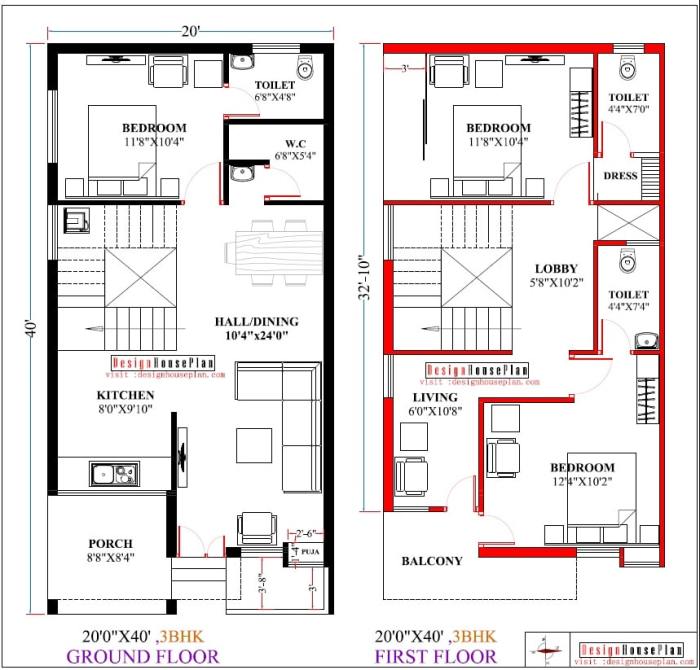
With Duplex house plans at the forefront, this paragraph opens a window to an amazing start and intrigue, inviting readers to embark on a storytelling journey filled with unexpected twists and insights.
Duplex house plans offer a unique approach to housing that maximizes space and functionality, making them an appealing option for homeowners looking for modern and efficient living solutions. In this guide, we will explore the concept of duplex house plans, their benefits, and design features compared to single-family homes.
Duplex House Plans
Duplex house plans are architectural designs for a type of residential building that consists of two separate living units within the same structure. Each unit typically has its own entrance, making it ideal for multi-generational families, rental income, or homeowners who want to live in one unit and rent out the other.
Benefits of Duplex Houses
There are several benefits to building or owning a duplex house:
- Cost-effective: Duplex houses are a more affordable housing option compared to single-family homes, as they allow for shared construction costs.
- Income potential: Owners can generate rental income by leasing out one of the units, helping to offset mortgage payments or provide additional income.
- Privacy and independence: Each unit in a duplex house has its own living space, providing privacy and independence for occupants.
- Flexibility: Duplex houses can be customized to suit the needs of the owners, whether they choose to live in one unit and rent out the other, or use both units for their family.
Design Features of Duplex Houses
Duplex houses often feature design elements that set them apart from single-family homes:
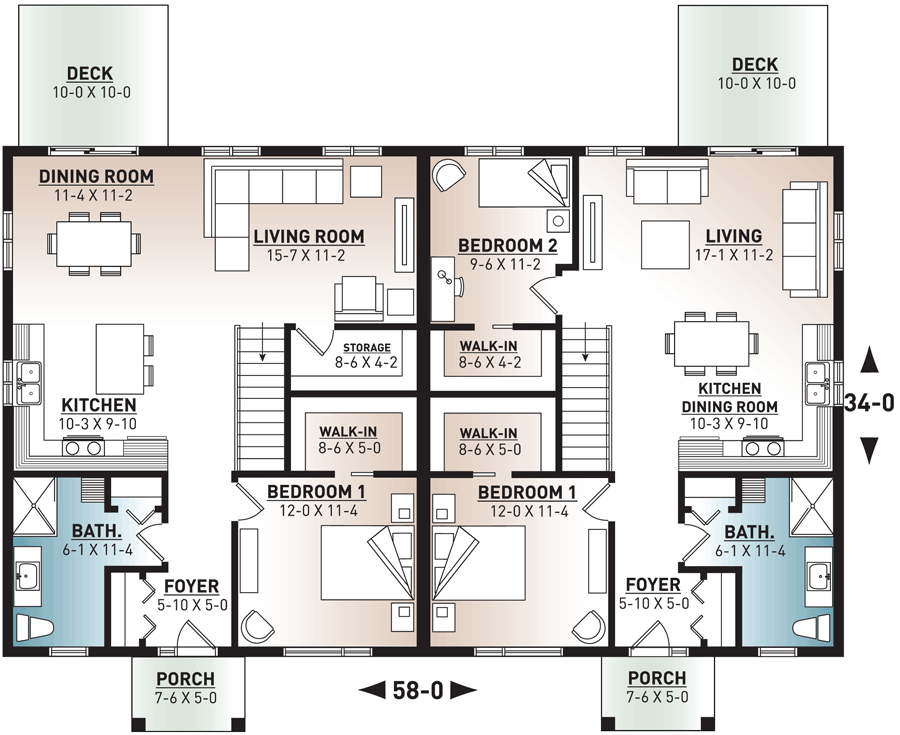
- Separate entrances: Each unit in a duplex house typically has its own entrance, providing a sense of autonomy for the occupants.
- Mirrored layouts: Duplex units are often designed with mirrored layouts to maximize space and provide a symmetrical aesthetic.
- Shared walls: Duplex houses share a common wall between the two units, which can help with insulation and noise reduction.
- Outdoor spaces: Duplex houses may include shared or separate outdoor spaces, such as patios, balconies, or yards, depending on the layout and design.
Home Inspections
Before purchasing a property, it is crucial to conduct a thorough home inspection to ensure that the house is in good condition and free from any hidden issues. A home inspection can save you from potential costly repairs in the future and give you peace of mind knowing the true condition of the property you are investing in.
Importance of Home Inspections
- Identify any structural issues such as foundation problems, roof leaks, or plumbing issues.
- Ensure the safety of the property by checking for electrical hazards, mold, or other health risks.
- Evaluate the overall condition of the house and estimate any potential repair or maintenance costs.
Step-by-Step Guide on Conducting a Thorough Home Inspection
- Start with the exterior of the house, checking the roof, walls, foundation, and drainage system.
- Move to the interior, inspecting each room for signs of water damage, cracks, or any visible issues.
- Test the electrical system, plumbing, and HVAC systems to ensure they are functioning properly.
- Check for pests, mold, or any other environmental concerns that could affect the health and safety of the occupants.
Common Issues Found During Home Inspections and How to Address Them
- Water damage: Look for signs of leaks, water stains, or mold growth, and address the source of the issue to prevent further damage.
- Electrical problems: Test outlets, switches, and the electrical panel for any issues, and hire a professional electrician for repairs if needed.
- Structural issues: Cracks in the walls, sloping floors, or foundation cracks should be inspected by a structural engineer to determine the extent of the problem.
Kitchen Improvements
When it comes to improving your kitchen, there are plenty of innovative ideas that can enhance both the functionality and aesthetic appeal of the space. From the latest trends in kitchen design to different materials for countertops, there are endless possibilities to consider.
Latest Trends in Kitchen Design
- Open shelving: Open shelving is a popular trend that can make your kitchen feel more spacious and airy. It also allows you to display your favorite dishes and cookware.
- Smart appliances: Integrating smart appliances into your kitchen can make cooking and meal prep more convenient. From smart refrigerators to voice-controlled faucets, these appliances can streamline your daily tasks.
- Minimalist design: Minimalist design is all about clean lines, simple colors, and clutter-free surfaces. This trend can give your kitchen a sleek and modern look.
Materials for Kitchen Countertops
Choosing the right material for your kitchen countertops is essential for both durability and aesthetics. Here are some popular options along with their pros and cons:
| Material | Pros | Cons |
|---|---|---|
| Quartz | Durable, non-porous, wide range of colors | Expensive, can be prone to heat damage |
| Granite | Natural beauty, heat-resistant, high resale value | Requires regular sealing, can be expensive |
| Marble | Elegant, heat-resistant, unique veining patterns | Prone to staining, requires regular maintenance |
| Butcher block | Warm, natural look, can be sanded and refinished | Prone to scratches, requires regular oiling |
Home Improvement and Furniture
When it comes to home improvement, selecting the right furniture plays a crucial role in enhancing the overall look and feel of your space. The furniture you choose should complement the style, theme, and color scheme of your home to create a cohesive and harmonious environment.
Tips for Choosing the Right Furniture
Here are some tips to help you choose the right furniture that complements your home improvements:
- Consider the size and layout of the room to ensure the furniture fits appropriately and allows for easy movement.
- Match the style of the furniture with the overall aesthetic of your home, whether it’s modern, traditional, rustic, or eclectic.
- Choose furniture pieces that serve both functional and aesthetic purposes to maximize usability and visual appeal.
- Coordinate the colors and materials of the furniture with the existing decor to create a cohesive look throughout the space.
- Invest in quality furniture that not only looks good but also stands the test of time, ensuring long-term durability and satisfaction.
DIY Home Improvement Projects with Furniture Upgrades
Here are some DIY home improvement projects that involve furniture upgrades:
- Repainting old furniture to give it a fresh new look and match your updated home decor.
- Adding new hardware, such as handles, knobs, or legs, to existing furniture pieces to enhance their appearance.
- Reupholstering chairs, sofas, or ottomans with new fabric to breathe new life into worn-out furniture.
- Repurposing furniture pieces for different functions or rooms to make the most of your existing items in a creative way.
- Building custom furniture pieces from scratch using online tutorials or DIY plans to personalize your space with unique and functional furniture.
Flooring
When it comes to choosing the right flooring for your home, there are several popular options available to consider. From hardwood to laminate, each type of flooring has its own advantages and considerations to keep in mind.Hardwood flooring is a classic choice that adds warmth and elegance to any room. It is durable and can last for many years with proper care.
On the other hand, laminate flooring is a more affordable alternative that mimics the look of hardwood without the high price tag. While laminate is not as durable as hardwood, it is still a popular choice for its easy installation and low maintenance.Proper maintenance is essential for keeping your floors looking their best. Regular cleaning and periodic refinishing can help extend the life of hardwood floors.
Meanwhile, laminate floors should be cleaned regularly with a damp mop and mild detergent to prevent scratches and damage.
Durability Comparison: Hardwood vs Laminate
- Hardwood flooring is more durable and can last for generations with proper care.
- Laminate flooring is less durable than hardwood and may need to be replaced sooner, especially in high-traffic areas.
- Hardwood can be refinished multiple times to restore its appearance, while laminate cannot be refinished and may need to be replaced entirely.
Furniture
When it comes to interior design, furniture plays a crucial role in defining the functionality and aesthetic appeal of a space. The layout of furniture can greatly impact the flow and usability of a room, making it essential to select pieces that not only look good but also serve a purpose.
Here are some tips for selecting furniture that enhances the functionality of a space and complements the overall design:
Significance of Furniture Layout
- Consider the purpose of the room and how you intend to use it. For example, a living room may require comfortable seating for socializing, while a home office needs a functional desk and storage solutions.
- Ensure there is enough space for movement and that furniture placement allows for easy navigation through the room.
- Balance is key when it comes to furniture layout. Avoid overcrowding a space with too many pieces or leaving it feeling empty with too little. Find the right balance to create a harmonious environment.
- Utilize furniture to create designated areas within a room, such as a reading nook, dining area, or entertainment zone. This helps to define spaces and make the room more versatile.
Impact of Furniture Styles
- Choose furniture styles that complement the overall aesthetic of the room. For example, modern furniture may not work well in a traditional setting, and vice versa. Consider the existing decor and architectural elements when selecting furniture.
- Mixing different furniture styles can add visual interest and create a unique look. However, ensure there is a sense of cohesion in the overall design to prevent the space from feeling disjointed.
- Pay attention to the scale and proportion of furniture in relation to the size of the room. Oversized pieces can make a small room feel cramped, while undersized furniture may look out of place in a large space.
- Experiment with different furniture arrangements to find the most functional and visually appealing layout. Don’t be afraid to rearrange furniture until you find the perfect configuration.
Green Living
Living a green lifestyle involves making environmentally conscious choices to reduce our carbon footprint and protect the planet. By implementing eco-friendly practices in our homes, we can contribute to a healthier environment for future generations while also enjoying personal benefits such as cost savings and improved indoor air quality.
Eco-Friendly Home Improvement Practices
Implementing eco-friendly home improvement practices can significantly reduce our impact on the environment. Some examples include:
- Installing energy-efficient appliances to reduce electricity consumption.
- Using low-flow fixtures to conserve water.
- Insulating walls and windows to improve energy efficiency.
- Choosing sustainable materials like bamboo flooring or recycled glass countertops.
- Setting up a composting system to reduce waste and create nutrient-rich soil for gardening.
Sustainable Furniture Choices
When it comes to sustainable furniture choices, opting for pieces made from reclaimed wood, bamboo, or recycled materials can help minimize the environmental impact of furniture production. Additionally, choosing furniture with certifications like FSC (Forest Stewardship Council) can ensure that the wood used comes from responsibly managed forests.
Interior Design and Decorating
When it comes to interior design and decorating, creating a cohesive and visually appealing space is key to making your house feel like a home. From choosing the right color schemes to arranging furniture in a harmonious way, there are several factors to consider in order to achieve a well-designed interior.
Tips for Creating a Cohesive Interior Design Scheme
- Start by selecting a color palette that complements each other and sets the tone for the entire space.
- Consider the scale and proportion of furniture pieces to ensure they fit well within the room and create a balanced look.
- Pay attention to lighting, as it can greatly impact the overall ambiance of the space.
- Add personal touches such as artwork, decorative accents, and plants to infuse personality into the design.
Role of Color Psychology in Interior Design
- Color psychology plays a significant role in interior design, as different colors can evoke different emotions and moods.
- For example, warm tones like red and orange can create a cozy and inviting atmosphere, while cool tones like blue and green can promote a sense of calm and relaxation.
- It’s important to consider the function of each room when choosing colors, as certain hues may be more suitable for specific spaces.
- Experiment with different color combinations to find what works best for your personal taste and the overall vibe you want to achieve.
Ideas for Decorating Different Areas of a House
- Living Room: Create a focal point with a statement piece of furniture or artwork, and arrange seating to encourage conversation and interaction.
- Bedroom: Keep the bedroom design simple and serene with soft, calming colors and cozy textiles for a restful atmosphere.
- Kitchen: Add pops of color with accessories like dishware and small appliances, and incorporate functional storage solutions to keep the space organized.
- Bathroom: Opt for soothing colors like white or light blue, and add luxury touches like plush towels and scented candles for a spa-like feel.
Bath and Shower
When it comes to designing a bathroom, choosing the right bath and shower fixtures is crucial for both functionality and aesthetics. There are various types of showers and baths available in the market, each offering different features and benefits. Additionally, staying updated on the latest trends in bathroom design can help you create a modern and stylish space. Proper maintenance and cleaning of bath and shower fixtures are also essential to ensure they remain in good condition for years to come.
Types of Showers and Baths
- Standard Bathtub: This is the most common type of bathtub, typically found in many homes. It is versatile and comes in various sizes and shapes to fit different bathroom layouts.
- Walk-in Shower: A popular choice for modern bathrooms, walk-in showers offer easy accessibility and a sleek, contemporary look. They are ideal for those looking for a more spacious shower area.
- Clawfoot Tub: For a touch of elegance and vintage charm, clawfoot tubs are a timeless choice. They can be freestanding or placed against a wall, adding a classic element to the bathroom.
- Rain Shower: Known for their luxurious feel, rain showers simulate rainfall and provide a relaxing shower experience. They are often installed on the ceiling for a spa-like ambiance.
Latest Trends in Bathroom Design
- Freestanding Tubs: Freestanding tubs are gaining popularity for their modern and luxurious appearance. They can serve as a focal point in the bathroom and create a spa-like atmosphere.
- Smart Showers: With technology advancements, smart showers are becoming more common. These showers offer features like temperature control, music streaming, and customizable settings for a personalized shower experience.
- Black Fixtures: Black fixtures are a trendy choice for adding a touch of sophistication to the bathroom. They create a bold contrast against white tiles and countertops, making a statement in the space.
Maintaining and Cleaning Fixtures
- Regular Cleaning: To prevent buildup of soap scum and grime, it’s important to clean bath and shower fixtures regularly. Use a mild cleaner and non-abrasive cloth to avoid damaging the finish.
- Prevent Water Stains: Wipe down fixtures after each use to prevent water stains and mineral deposits. This will help maintain the shine and appearance of the fixtures.
- Inspect for Leaks: Periodically check for leaks in showerheads, faucets, and pipes to avoid water damage and mold growth. Repair any leaks promptly to prevent further issues.
House Plans
Choosing the right house plan is crucial for any construction project as it sets the foundation for the entire structure. A well-designed house plan not only ensures that the space is utilized efficiently but also caters to the specific needs and preferences of the homeowner.When selecting a house plan, there are several key elements to consider. These include the size of the lot, the number of bedrooms and bathrooms required, the layout of the living spaces, the architectural style, and any special features or amenities desired.
It is also important to take into account factors such as budget, future expansion possibilities, and local building codes and regulations.When it comes to architectural styles for house plans, there are various options to choose from. Modern house plans are characterized by clean lines, open floor plans, and a focus on natural light and materials. Traditional house plans, on the other hand, often feature pitched roofs, symmetrical facades, and formal living spaces.
Other popular styles include farmhouse, colonial, Mediterranean, and contemporary.Ultimately, the choice of house plan should reflect the homeowner’s lifestyle, taste, and practical needs. By carefully considering all the key elements and exploring different architectural styles, one can find the perfect house plan that suits their vision for their dream home.
Feng Shui
Feng Shui is an ancient Chinese practice that focuses on harmonizing individuals with their surrounding environment. It is believed to bring positive energy, or “chi,” into a space and promote well-being, prosperity, and good fortune. When applied to home design, Feng Shui principles can help create a balanced and harmonious living environment.:Feng Shui emphasizes the importance of arranging furniture, decor, and even the layout of a home in a way that allows energy to flow freely.
By incorporating elements such as natural light, plants, water features, and the strategic placement of furniture, Feng Shui aims to optimize the energy in a space for the benefit of its occupants.
Tips for Incorporating Feng Shui Elements
- Avoid clutter: Clear out unnecessary items to allow energy to flow smoothly throughout the space.
- Balance elements: Incorporate a mix of elements such as wood, metal, water, earth, and fire to create harmony.
- Use mirrors strategically: Mirrors can help reflect light and expand a space, but avoid placing them directly facing the bed or front door.
- Position furniture mindfully: Arrange furniture in a way that promotes easy movement and conversation, while also considering the flow of energy.
Benefits of Following Feng Shui Practices in the Home
- Improved energy flow: By following Feng Shui principles, you can enhance the flow of positive energy in your home, creating a more peaceful and harmonious environment.
- Enhanced well-being: A well-balanced and harmonious living space can contribute to improved physical, mental, and emotional well-being for the occupants.
- Promotes prosperity: Feng Shui is believed to attract abundance and prosperity into the lives of those who follow its practices, fostering a sense of wealth and success.
Heating and Air Conditioning
Proper heating and air conditioning systems are essential components of a comfortable and functional home. These systems not only regulate the temperature inside the house but also play a crucial role in maintaining indoor air quality and overall well-being.
Importance of Proper HVAC Systems
Having a well-maintained heating and air conditioning system is important for several reasons. Firstly, it ensures that the indoor temperature remains comfortable throughout the year, regardless of the weather outside. This is especially critical during extreme temperatures to keep occupants safe and healthy. Additionally, a properly functioning HVAC system can help reduce humidity levels, preventing mold growth and improving indoor air quality.
Tips for Maintaining HVAC Systems
- Regularly change air filters to ensure proper airflow and efficiency.
- Schedule annual maintenance checks with a professional HVAC technician to detect and address any issues early.
- Keep outdoor units free from debris and vegetation to allow for proper airflow.
- Consider upgrading to a programmable thermostat to optimize energy usage and save on utility bills.
Energy-Efficient Heating and Cooling Options
When looking to reduce energy consumption and environmental impact, consider the following energy-efficient options:
- Invest in a high-efficiency HVAC system that meets Energy Star standards.
- Upgrade to a ductless mini-split system for targeted heating and cooling in specific areas of the house.
- Implement proper insulation and sealing to minimize energy loss and improve overall efficiency.
- Utilize smart thermostats that can be controlled remotely and adjust settings based on occupancy patterns.
In conclusion, duplex house plans present a practical and contemporary housing solution that combines style and functionality. Whether you’re considering building or owning a duplex house, the versatile design options and space-saving benefits make it a compelling choice for modern living.
FAQ Resource
Are duplex houses more cost-effective than single-family homes?
Yes, duplex houses are often more cost-effective as they allow for shared construction costs and utilities.
Can duplex houses offer privacy for each unit?
Yes, duplex house plans can be designed to provide separate entrances and living spaces for each unit, ensuring privacy.
Do duplex house plans allow for customization and personalization?
Yes, duplex house plans offer flexibility for customization to suit individual preferences and needs.


