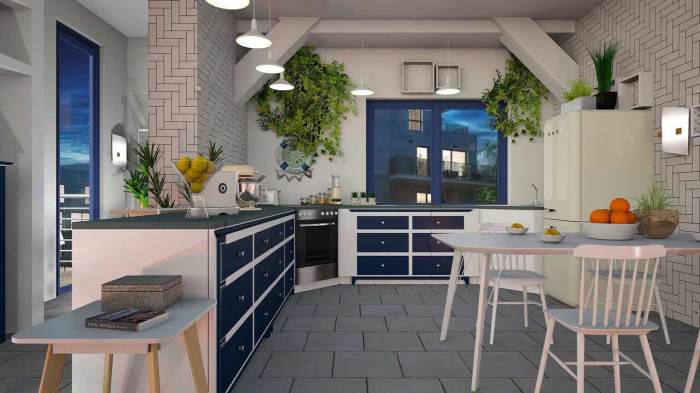
How to improve kitchen lighting sets the stage for this enthralling narrative, offering readers a glimpse into a story that is rich in detail and brimming with originality from the outset. Learn about the impact of proper lighting, different types of kitchen lighting options, and tips for maximizing natural light in your kitchen. Get ready to illuminate your culinary space with style and functionality.
Importance of Good Kitchen Lighting
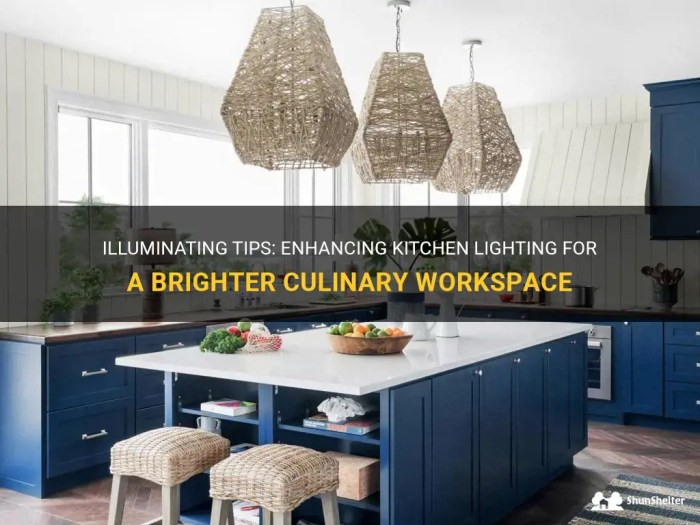
Proper lighting in the kitchen is essential for creating a functional and inviting space. It not only enhances the overall aesthetic appeal but also plays a crucial role in improving safety and efficiency.
Impact on Mood and Productivity
Good lighting can significantly impact the mood and productivity in the kitchen. Bright, well-lit spaces can uplift your spirits and make cooking a more enjoyable experience. On the other hand, dim or inadequate lighting can create a gloomy atmosphere and affect your motivation to cook or spend time in the kitchen.
Benefits for Safety and Functionality
Well-lit kitchen spaces are essential for ensuring safety while working with sharp objects, hot surfaces, and various appliances. Proper lighting can help you see clearly, reducing the risk of accidents and injuries. Additionally, good lighting enhances the functionality of the kitchen by making it easier to navigate, locate items, and perform tasks efficiently.
Types of Kitchen Lighting
When it comes to lighting your kitchen, there are several types of lighting options to consider. Each type serves a different purpose and can enhance the functionality and aesthetic appeal of your kitchen space.
Ambient Lighting
Ambient lighting provides overall illumination to the kitchen space, creating a warm and inviting atmosphere. This type of lighting is essential for ensuring that the entire kitchen is well-lit.
- Advantages:
- Creates a cozy ambiance
- Distributes light evenly
- Disadvantages:
- May not provide sufficient task lighting
- Can be too bright or too dim if not properly balanced
Examples of fixtures suitable for ambient lighting include overhead ceiling lights, chandeliers, and track lighting.
Task Lighting
Task lighting is focused on specific work areas in the kitchen, such as the countertops, sink, or stove. It helps to illuminate these areas for better visibility and functionality.
- Advantages:
- Improves visibility for cooking and food preparation
- Reduces eye strain
- Disadvantages:
- Can create shadows if not positioned correctly
- May not contribute to overall ambient lighting
Examples of fixtures suitable for task lighting include under-cabinet lights, pendant lights, and strip lights.
Accent Lighting
Accent lighting is used to highlight specific features or areas in the kitchen, such as artwork, architectural details, or decorative elements. It adds depth and visual interest to the space.
- Advantages:
- Enhances the aesthetic appeal of the kitchen
- Creates focal points
- Disadvantages:
- Can be overpowering if not balanced with other lighting types
- May not provide sufficient overall illumination
Examples of fixtures suitable for accent lighting include wall sconces, recessed lights, and track lighting with adjustable heads.
Tips for Improving Kitchen Lighting
When it comes to improving kitchen lighting, there are several strategies you can implement to create a well-lit and inviting space.
Maximizing Natural Light
One of the best ways to enhance your kitchen lighting is by maximizing natural light. Consider installing larger windows or skylights to allow more sunlight to enter the space. Additionally, avoid blocking windows with heavy curtains or blinds to ensure that natural light can freely illuminate the room.
Layering Lighting
Layering lighting is essential for creating a well-lit kitchen. This involves using a combination of ambient, task, and accent lighting to provide adequate illumination for various activities. Ambient lighting serves as the overall light source, while task lighting focuses on specific work areas like countertops and stovetops. Accent lighting adds depth and visual interest to the space.
Choosing the Right Color Temperature
When selecting light bulbs for your kitchen, it’s important to consider the color temperature. Warm white (2700-3000 Kelvin) is ideal for creating a cozy and inviting atmosphere, while cool white (3500-4100 Kelvin) is suitable for task lighting in areas where visibility is crucial, such as above the sink or stove. Daylight (5000-6500 Kelvin) provides a bright and energizing light that is perfect for food preparation and cooking.
Energy-Efficient Lighting Solutions
When it comes to improving kitchen lighting, opting for energy-efficient solutions can not only save you money in the long run but also reduce your environmental impact. One popular choice for energy-efficient lighting in the kitchen is LED bulbs.
Benefits of Using LED Bulbs
LED bulbs are highly energy-efficient as they consume significantly less energy compared to traditional incandescent bulbs. They also have a longer lifespan, which means you won’t have to replace them as frequently, saving you money on replacements.
Calculating the Right Wattage for Energy-Efficient Lighting
When choosing LED bulbs for your kitchen, it’s important to calculate the right wattage to ensure adequate lighting. One way to do this is by using the following formula:
Wattage = Lumens / (Lumens per Watt)
By knowing the lumens of the LED bulb and its lumens per watt rating, you can determine the appropriate wattage for your lighting needs.
Tips for Reducing Energy Consumption Through Lighting Choices
Aside from choosing LED bulbs, there are additional tips you can follow to further reduce energy consumption in your kitchen:
- Use dimmer switches to adjust the brightness of your lighting based on your needs, saving energy when full brightness is not required.
- Install motion sensors or timers to automatically turn off lights when no one is present in the kitchen.
- Clean light fixtures and bulbs regularly to ensure maximum efficiency and brightness.
- Consider utilizing natural light by strategically placing windows or skylights to reduce the need for artificial lighting during the day.
Smart Lighting Technology
Smart lighting technology offers numerous advantages when incorporated into the kitchen space. From enhancing convenience to improving energy efficiency, these systems can transform the way you illuminate your cooking area.
Advantages of Smart Lighting in the Kitchen
- Adjustable brightness levels to suit different tasks and moods
- Remote control and scheduling options for easy management
- Integration with voice assistants for hands-free operation
- Ability to create custom lighting scenes for specific needs
Examples of Smart Lighting Products
- Philips Hue Smart Bulbs: These LED bulbs can be controlled via a mobile app, offering a wide range of colors and dimming options.
- Nanoleaf Light Panels: These modular panels can be arranged in various shapes and controlled with gestures or voice commands.
- Lutron Caseta Wireless Smart Lighting Kit: This kit includes smart switches and a bridge for centralized control of lighting throughout the kitchen.
Enhancing Convenience with Smart Lighting
Smart lighting systems can enhance convenience in the kitchen by allowing you to adjust the brightness and color temperature according to your needs. Whether you’re cooking, dining, or entertaining guests, you can easily create the perfect ambiance with the touch of a button or a simple voice command. The ability to schedule lighting based on your daily routine can also help save energy and create a more comfortable environment.
Lighting Fixtures and Placement
When it comes to kitchen lighting, the type of fixtures used and their placement can significantly impact the overall functionality and aesthetics of the space. Here, we will explore different types of lighting fixtures ideal for kitchens, share tips on strategic placement for optimal illumination, and discuss how to create a cohesive lighting design.
Types of Lighting Fixtures
There are several types of lighting fixtures that work well in kitchens, each serving a specific purpose:
- Recessed Lighting: Ideal for providing general illumination throughout the kitchen. It can be strategically placed to avoid shadows in key work areas.
- Pendant Lights: Perfect for adding task lighting over kitchen islands or dining areas. They also serve as decorative elements.
- Under Cabinet Lighting: Helps illuminate countertops for food preparation and cooking tasks. It can be either LED strips or puck lights.
- Chandeliers: Great for adding a touch of elegance and ambient lighting in larger kitchens or dining spaces.
Strategic Placement of Lighting Fixtures
Proper placement of lighting fixtures is crucial for achieving optimal illumination in the kitchen:
- Install recessed lighting in a grid pattern to evenly distribute light across the entire space.
- Position pendant lights above kitchen islands or tables at a height that won’t obstruct views or conversations.
- Mount under cabinet lighting towards the front of the cabinets to prevent shadows on the countertop.
- Consider the natural light sources in the kitchen and supplement them with artificial lighting where needed.
Creating a Cohesive Lighting Design
To create a cohesive lighting design in the kitchen, consider the following tips:
- Choose fixtures that complement the overall style of the kitchen, whether it’s modern, traditional, or eclectic.
- Use a mix of ambient, task, and accent lighting to cater to different needs and create a layered lighting effect.
- Ensure consistency in the finish and style of the fixtures to maintain a cohesive look throughout the space.
- Dimmer switches can also be installed to adjust the brightness of the lights based on the time of day or mood.
Importance of Regular Home Inspections
Regular home inspections are crucial for maintaining a safe and functional living space. By conducting inspections on a regular basis, homeowners can identify potential issues before they escalate into larger problems. This proactive approach not only ensures the safety of occupants but also helps in preserving the value of the property.
Common Issues Identified Through Home Inspections
- Electrical problems such as faulty wiring or outdated fixtures
- Plumbing issues like leaks, clogs, or water damage
- Structural concerns such as cracks in walls or foundation
- Mold and mildew growth due to moisture issues
- HVAC system malfunctions impacting indoor air quality
Benefits of Early Detection and Prevention
Regular home inspections allow for early detection of problems, which can save homeowners time and money in the long run. By addressing issues promptly, homeowners can prevent costly repairs and maintain the overall integrity of their home. Additionally, early detection can help in ensuring the safety and well-being of the residents living in the home.
Kitchen Improvements for Efficiency
When it comes to enhancing the efficiency and functionality of your kitchen, there are several key improvements that can make a significant difference. From small upgrades to optimizing layout and workflow, these changes can streamline your cooking experience and make meal preparation a breeze.
Examples of Kitchen Improvements
- Installing pull-out shelves in cabinets for easier access to pots, pans, and ingredients.
- Adding a pegboard or magnetic strip for hanging utensils and cutting boards to free up counter space.
- Utilizing drawer dividers to keep utensils and tools organized and easily accessible.
Impact of Small Upgrades
Small upgrades such as installing cabinet organization systems can have a significant impact on kitchen efficiency. By keeping your kitchen tools and ingredients neatly organized and easily accessible, you can save time and effort during meal preparation.
Tips for Optimizing Layout and Workflow
- Arrange your kitchen tools and appliances based on frequency of use for easy access.
- Create designated zones for food prep, cooking, and cleaning to streamline your workflow.
- Consider the “kitchen work triangle” concept where the stove, refrigerator, and sink are positioned in a triangular layout for optimal efficiency.
Sustainable Flooring Options
When it comes to choosing flooring for your kitchen, opting for sustainable materials can not only benefit the environment but also enhance the overall look and feel of the space. Sustainable flooring options are designed to have a lower impact on the environment compared to traditional flooring materials.
Sustainable Flooring Materials
- Bamboo: Bamboo is a popular choice for sustainable flooring due to its rapid growth and renewability. It is durable, easy to maintain, and adds a natural touch to your kitchen.
- Cork: Cork flooring is made from the bark of cork oak trees, which can be harvested without harming the tree. It is comfortable to walk on, resistant to mold and mildew, and provides excellent insulation.
- Reclaimed Wood: Using reclaimed wood for flooring gives a rustic and unique look to your kitchen while reducing the demand for new resources. It adds character and charm to the space.
Environmental Benefits
- Reduced Carbon Footprint: Sustainable flooring materials require less energy and resources to produce, leading to lower carbon emissions compared to traditional options.
- Promotes Biodiversity: Choosing sustainable flooring helps preserve forests and ecosystems by reducing the need for deforestation and habitat destruction.
- Healthier Indoor Air Quality: Many sustainable flooring options are free from harmful chemicals and toxins, improving the air quality in your home.
Maintaining Sustainable Flooring
- Regular Cleaning: Keep your sustainable flooring clean by sweeping or vacuuming regularly to prevent dirt and debris from causing scratches.
- Avoid Harsh Chemicals: Use natural cleaning products or those recommended by the flooring manufacturer to maintain the quality and finish of the flooring.
- Protective Measures: Place mats or rugs in high-traffic areas and under heavy furniture to prevent premature wear and tear on the flooring.
Furniture Selection for Kitchen Spaces
When it comes to choosing furniture for your kitchen space, it is essential to consider how it complements the overall design and lighting of the room. The right furniture can enhance the aesthetics of your kitchen while also providing functionality and durability.
Choosing the Right Furniture
- Opt for furniture that matches the style and color scheme of your kitchen. This will create a cohesive look and enhance the overall design.
- Consider the size of your kitchen and choose furniture that fits well in the space without overcrowding it.
- Look for furniture that is durable and easy to clean, as the kitchen is a high-traffic area prone to spills and messes.
- Choose furniture that offers both style and practicality, such as kitchen islands with built-in storage or dining tables that can also serve as workspaces.
Incorporating Green Living Practices
When it comes to creating a sustainable kitchen environment, incorporating green living practices is key. By making conscious choices in the materials we use and the appliances we install, we can significantly reduce our carbon footprint and promote a healthier planet.
Strategies for Incorporating Eco-Friendly Practices
- Opt for energy-efficient appliances that have high Energy Star ratings to reduce electricity consumption.
- Use sustainable materials such as bamboo, recycled glass, or reclaimed wood for countertops, cabinets, and flooring.
- Install low-flow faucets and water-saving devices to conserve water in the kitchen.
- Compost food scraps to reduce waste and create nutrient-rich soil for gardening.
Benefits of Using Sustainable Materials and Energy-Efficient Appliances
- Sustainable materials are durable, non-toxic, and renewable, making them a healthier choice for your kitchen and the environment.
- Energy-efficient appliances consume less electricity, saving you money on utility bills and reducing greenhouse gas emissions.
- By investing in these eco-friendly options, you contribute to a greener future and inspire others to follow suit.
Tips for Reducing Waste and Promoting Sustainability in Kitchen Habits
- Avoid single-use plastic products by using reusable containers and bags for storing food.
- Buy locally sourced produce to support farmers and reduce the carbon footprint associated with transportation.
- Minimize food waste by planning meals, using leftovers creatively, and properly storing perishable items.
- Implement a recycling system in your kitchen to separate and dispose of recyclable materials responsibly.
Interior Design Elements for Lighting
Lighting is a crucial aspect of interior design, especially in kitchens where functionality and aesthetics are equally important. The right lighting can enhance the overall design style of the kitchen, create a welcoming atmosphere, and improve the functionality of the space.
Enhancing Different Design Styles
- For a modern kitchen design, consider sleek and minimalist lighting fixtures that complement the clean lines and contemporary feel of the space.
- In a traditional kitchen, opt for classic chandeliers or pendant lights to add a touch of elegance and charm.
- Rustic kitchens can benefit from warm and cozy lighting options like exposed bulb fixtures or vintage-inspired lamps.
- In a transitional kitchen, a combination of different lighting styles can create a harmonious blend of modern and traditional elements.
Creating a Harmonious Balance
- Ensure adequate task lighting for food preparation areas such as the countertop and sink.
- Incorporate ambient lighting to provide overall illumination and create a comfortable environment for cooking and dining.
- Accent lighting can be used to highlight architectural features, artwork, or decorative elements in the kitchen.
- Consider the color temperature of the light bulbs to match the overall color scheme and mood of the kitchen.
Bath and Shower Lighting Considerations
Proper lighting in bathrooms and showers is essential for both functionality and aesthetics. In these wet areas, it is crucial to have adequate lighting to ensure safety and visibility.
Importance of Proper Lighting in Bathrooms and Showers
In bathrooms and showers, good lighting is necessary for tasks such as grooming, applying makeup, or shaving. Insufficient lighting can lead to accidents or mistakes due to poor visibility. Additionally, well-planned lighting can enhance the overall ambiance and design of the space.
Safety Considerations for Wet Areas
When choosing lighting for bathrooms and showers, safety is paramount. It is crucial to select fixtures that are specifically designed for wet environments and meet safety standards. Waterproof or damp-proof lighting options should be prioritized to prevent electrical hazards.
Tips for Achieving Functional and Aesthetically Pleasing Lighting
- Incorporate a combination of ambient, task, and accent lighting to cater to different needs in the bathroom.
- Utilize dimmer switches to adjust the lighting intensity based on the time of day and activities being carried out.
- Choose LED lighting for energy efficiency and longevity, ensuring a well-lit space for years to come.
- Position light fixtures strategically to eliminate shadows and provide even illumination throughout the bathroom.
Sustainable Furniture Choices
When it comes to selecting furniture for your home, opting for sustainable materials and practices can have a positive impact on the environment. Sustainable furniture choices not only reduce your carbon footprint but also promote a healthier indoor environment.
Choosing eco-friendly furniture options can significantly contribute to a more sustainable lifestyle. These pieces are typically made from renewable resources, recycled materials, or have minimal impact on the environment during production. Additionally, sustainable furniture is often built to last, reducing the need for frequent replacements and ultimately reducing waste.
Benefits of Choosing Eco-Friendly Furniture
- Reduced environmental impact by using renewable resources
- Promotion of healthier indoor air quality
- Supporting sustainable practices in the furniture industry
- Longevity and durability of furniture pieces
Tips for Maintaining Sustainable Furniture Pieces
- Regularly dust and clean furniture to maintain its appearance
- Avoid using harsh chemicals that can harm the environment
- Utilize natural cleaning solutions for a more eco-friendly approach
- Consider refinishing or repurposing furniture instead of discarding it
Feng Shui Principles for Kitchen Lighting
Feng Shui principles can play a significant role in guiding the lighting choices you make for your kitchen. By incorporating these principles, you can create a space that not only looks visually appealing but also promotes a sense of balance and harmony.
Importance of Balance and Harmony
When it comes to kitchen lighting design, achieving balance and harmony is crucial. Properly placed lighting can help create a welcoming atmosphere in your kitchen while enhancing the overall energy flow. By following Feng Shui principles, you can ensure that your kitchen lighting is not only functional but also contributes to a positive environment.
Tips for Incorporating Feng Shui Principles
- Avoid harsh overhead lighting: Opt for softer, more natural lighting options to create a warm and inviting space.
- Balance natural and artificial light: Incorporate a mix of natural light sources such as windows and skylights with artificial lighting to create a well-rounded lighting scheme.
- Use task lighting strategically: Place task lighting, such as under cabinet lights, in areas where you need focused illumination for cooking or food preparation.
- Choose light fixtures mindfully: Select light fixtures that complement your kitchen’s design aesthetic while promoting a sense of balance and harmony.
- Keep the kitchen clutter-free: Ensure that your kitchen is organized and free of clutter to allow the flow of positive energy throughout the space.
Home Heating and Cooling Efficiency
Improving energy efficiency in home heating and cooling systems is essential for reducing energy consumption and utility costs while maintaining a comfortable living environment. Proper insulation and regular maintenance of heating and cooling units play a crucial role in achieving optimal efficiency.
Strategies for Improving Energy Efficiency
- Upgrade to energy-efficient heating and cooling systems that have high Seasonal Energy Efficiency Ratio (SEER) ratings.
- Seal air leaks in windows, doors, and ductwork to prevent energy loss.
- Programmable thermostats can help regulate temperature settings and reduce energy usage when you are away from home.
Benefits of Proper Insulation and Maintenance
- Proper insulation helps retain heat in the winter and keep the house cool in the summer, reducing the workload on heating and cooling systems.
- Regular maintenance of HVAC systems ensures they operate efficiently, prolonging their lifespan and preventing costly repairs.
Tips for Reducing Energy Consumption
- Use ceiling fans to circulate air and reduce the need for heating or cooling.
- Close curtains or blinds during the day to block out sunlight and prevent heat gain in the summer.
- Keep air filters clean to maintain airflow and improve system efficiency.
As we conclude this illuminating journey on how to improve kitchen lighting, remember that a well-lit kitchen not only enhances aesthetics but also boosts productivity and creates a safe environment. By incorporating the right lighting solutions, you can transform your kitchen into a bright and inviting space where culinary magic happens effortlessly.
FAQ Overview
How can I maximize natural light in my kitchen?
To maximize natural light in your kitchen, consider using light-colored curtains or blinds, keeping windows clean, and strategically placing mirrors to reflect light.
What is the importance of layering lighting in a kitchen?
Layering lighting in a kitchen helps create a balanced and well-lit space by combining different types of lighting such as ambient, task, and accent lighting.
Are LED bulbs really energy-efficient for kitchen lighting?
Yes, LED bulbs are highly energy-efficient as they consume less power and have a longer lifespan compared to traditional incandescent bulbs.


