
Step into the world of custom furniture design ideas, where creativity meets functionality to elevate any space. From innovative materials to collaborative processes, this overview promises an insightful exploration of bespoke furniture concepts.
Explore how custom furniture can transform a room and inspire new design possibilities.
Custom Furniture Design Ideas
Custom furniture design offers endless possibilities to create unique pieces that can elevate the aesthetic of any space. By collaborating with a designer, you can bring your vision to life and tailor every detail to suit your style and needs.
Unique Design Concepts
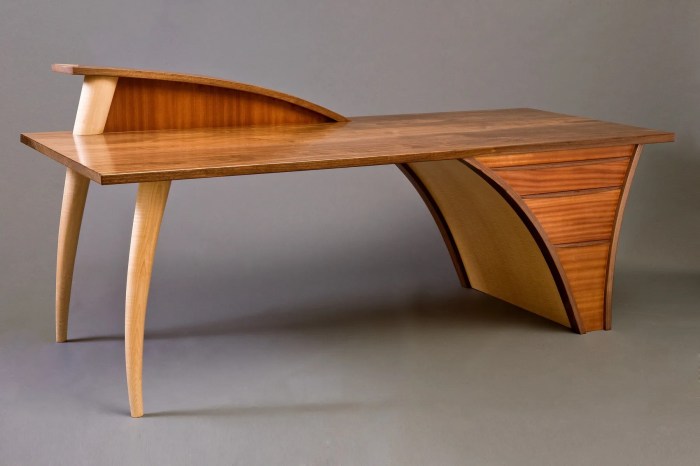
When it comes to custom furniture design, the options are limitless. From intricate patterns on wood surfaces to unconventional shapes and forms, there are countless ways to make a statement with custom furniture. Consider incorporating elements like asymmetry, mixed materials, or unexpected color combinations to add a touch of personality to your space.
Enhancing Aesthetic with Custom Furniture
- Custom furniture allows you to create pieces that perfectly complement the existing decor of a room, ensuring a cohesive and harmonious look.
- By designing furniture tailored to your space, you can maximize functionality and optimize the layout for a seamless flow.
- Integrating custom furniture can add a sense of luxury and exclusivity to a space, making it truly one-of-a-kind.
Innovative Materials for Custom Furniture
When exploring materials for custom furniture design, think beyond traditional options like wood and metal. Consider incorporating materials such as:
- Concrete: for a modern and industrial look.
- Acrylic: for a sleek and contemporary feel.
- Reclaimed materials: for a sustainable and unique touch.
Collaborating with a Designer
Working with a designer for custom furniture involves a collaborative process where your ideas are brought to life through their expertise. Communication is key to ensure that the final piece aligns with your vision and meets your expectations. Be open to creative suggestions and trust in the designer’s skills to create a piece that truly reflects your style.
Home Inspections
Regular home inspections are crucial to ensure the safety, functionality, and overall condition of your home. By conducting routine inspections, homeowners can identify potential issues early on and prevent costly repairs in the future.
Common Issues Found During Home Inspections
- Leaky roofs and water damage
- Electrical problems
- Plumbing issues such as leaks or clogs
- Mold and mildew growth
- Structural damage or foundation issues
Tips on How to Prepare for a Home Inspection
- Ensure all utilities are working properly
- Clean and declutter the home for easy inspection
- Make necessary repairs in advance
- Provide access to all areas of the home
Benefits of Hiring a Professional for a Home Inspection
- Expertise in identifying potential problems
- Thorough evaluation of the property
- Piece of mind knowing your home is in good condition
- Documentation of the home’s condition for future reference
Kitchen Improvements
When it comes to improving a kitchen, there are several key areas that can make a big difference in both functionality and aesthetics. Whether you’re looking to update your kitchen on a budget or stay ahead of the latest design trends, there are plenty of options to consider.
Key Areas for Improvement
- Updating Cabinet Hardware: A simple and cost-effective way to give your kitchen a fresh look is by replacing outdated cabinet knobs and handles with modern styles.
- Painting Cabinets: Repainting cabinets can instantly transform the look of your kitchen without the high cost of replacing them entirely.
- Adding Lighting: Improving the lighting in your kitchen can enhance both the ambiance and functionality of the space. Consider under cabinet lighting or pendant lights for a stylish touch.
Budget-Friendly Ideas
- Peel-and-Stick Backsplash: An affordable and easy-to-install option for updating your kitchen’s backsplash without the need for professional help.
- Open Shelving: Removing cabinet doors and opting for open shelves can create a more spacious feel in your kitchen and showcase your favorite dishes or cookware.
- DIY Countertop Refinishing: Refinishing your countertops with a DIY kit can give them a fresh look without the high cost of replacement.
Latest Trends in Kitchen Design
- Smart Appliances: Integrating smart appliances into your kitchen not only adds convenience but also a modern touch to your space.
- Two-Tone Cabinetry: Mixing cabinet colors or finishes is a popular trend that adds visual interest and depth to a kitchen design.
- Quartz Countertops: Quartz countertops are durable, low-maintenance, and come in a variety of colors and patterns, making them a popular choice among homeowners.
Impact on Home Value
Investing in kitchen improvements can significantly increase the value of your home. A modern, updated kitchen is often a top selling point for potential buyers and can lead to a higher resale value. By focusing on key areas for improvement and staying on top of design trends, you can enhance both the functionality and appeal of your kitchen while boosting your home’s overall worth.
Home Improvement and Furniture
When it comes to home improvement projects, furniture selection plays a crucial role in enhancing the overall look and feel of a space. The right furniture can complement the design elements of a room, tie everything together, and create a cohesive aesthetic.
Integrating furniture into home improvement projects requires careful planning and consideration. Here are some tips to help you make the most of your furniture choices:
Tips for Integrating Furniture into Home Improvement Projects
- Consider the style and theme of your home improvement project before selecting furniture. Choose pieces that harmonize with the overall design aesthetic.
- Take measurements of the space to ensure that the furniture fits appropriately and allows for easy movement within the room.
- Opt for versatile pieces that can adapt to different styles and layouts, providing flexibility as your design preferences evolve.
- Mix and match different furniture styles to create visual interest and a personalized touch in your home.
Examples of Furniture Styles for Different Home Improvement Themes
| Home Improvement Theme | Complementary Furniture Style |
|---|---|
| Modern Minimalist | Sleek, streamlined furniture with clean lines and neutral colors. |
| Coastal Retreat | Nautical-inspired furniture with light tones, natural textures, and beachy accents. |
| Rustic Farmhouse | Weathered wood furniture with vintage charm and cozy, country-inspired details. |
| Urban Industrial | Raw materials like metal and reclaimed wood, with a focus on functionality and edgy design elements. |
Influence of Furniture Choices on Renovated Spaces
- The right furniture can elevate the aesthetic appeal of a renovated space, enhancing its overall look and feel.
- Well-chosen furniture pieces can establish a cohesive design scheme, creating a sense of unity and harmony in the room.
- Furniture choices can impact the functionality of a space, providing comfort, storage solutions, and practicality to support daily activities.
- By selecting furniture that complements the design elements of a renovation, you can achieve a balanced and visually pleasing environment that reflects your personal style.
Flooring
When it comes to designing a home, flooring plays a crucial role in setting the tone and style of a space. The type of flooring you choose can have a significant impact on the overall look and feel of a room. In this section, we will compare different types of flooring materials, discuss the best flooring options for different rooms in a house, share tips for maintaining and caring for different types of flooring, and elaborate on the role of flooring in interior design.
Types of Flooring Materials
- Hardwood: Known for its durability and timeless appeal, hardwood flooring comes in a variety of wood species and finishes.
- Laminate: A more affordable alternative to hardwood, laminate flooring is easy to install and maintain.
- Tile: Available in ceramic, porcelain, and natural stone options, tile flooring is versatile and resistant to moisture.
- Carpet: Soft and comfortable underfoot, carpet flooring is a popular choice for bedrooms and living rooms.
- Vinyl: Durable and water-resistant, vinyl flooring is a practical option for high-traffic areas like kitchens and bathrooms.
Best Flooring Options for Different Rooms
- Living Room: Hardwood or carpet flooring can create a warm and inviting atmosphere.
- Kitchen: Tile or vinyl flooring are ideal choices for easy cleaning and resistance to spills.
- Bathroom: Tile flooring is the preferred option due to its water-resistant properties.
- Bedroom: Carpet flooring provides comfort and warmth, making it perfect for bedrooms.
Maintaining and Caring for Flooring
- Regularly sweep or vacuum to remove dirt and debris that can scratch the surface of your flooring.
- Use a damp mop with a mild cleaner to clean hardwood, laminate, tile, or vinyl flooring.
- For carpet flooring, vacuum regularly and schedule professional cleanings to remove deep-seated dirt and stains.
Role of Flooring in Interior Design
Flooring serves as the foundation of a room’s design and can influence the overall aesthetic and mood of a space. The color, texture, and material of the flooring can complement other design elements and tie the room together. Whether you choose hardwood for a classic look or tile for a modern feel, the flooring sets the stage for the rest of the room’s decor.
Green Living
Green living is a lifestyle that promotes sustainability by minimizing the use of natural resources and reducing waste. It focuses on preserving the environment for future generations through conscious choices in everyday practices, including home design and furniture selection.
Eco-Friendly Furniture Options
- Choose furniture made from reclaimed or recycled materials to reduce waste and minimize the impact on natural resources.
- Opt for pieces crafted from sustainable materials such as bamboo, cork, or FSC-certified wood to support responsible forestry practices.
- Look for furniture with non-toxic finishes and adhesives to promote a healthier indoor environment for you and your family.
- Consider investing in multipurpose furniture that serves more than one function to maximize space and minimize consumption.
Tips for Incorporating Green Living Practices
- Integrate energy-efficient lighting and appliances into your home to reduce electricity consumption and lower your carbon footprint.
- Use eco-friendly paints and finishes that contain low levels of volatile organic compounds (VOCs) to improve indoor air quality.
- Incorporate indoor plants to enhance air purification and add a touch of nature to your living space.
Benefits of Choosing Sustainable Materials
- Supporting sustainable practices in furniture production helps conserve natural resources and protect ecosystems from overexploitation.
- Sustainable materials are often durable and long-lasting, reducing the need for frequent replacements and contributing to a more sustainable lifestyle.
- By opting for eco-friendly furniture, you can create a healthier indoor environment free from harmful chemicals and pollutants.
Interior Design and Decorating
When it comes to interior design and decorating, custom furniture plays a crucial role in creating a unique and personalized space. Custom furniture allows you to showcase your style and personality while also ensuring that your furniture fits perfectly in your home.
Tips for Decorating with Custom Furniture
- Consider the scale and proportion of the custom furniture pieces to ensure they fit well in the room.
- Choose a cohesive color palette that complements the custom furniture and ties the room together.
- Mix and match different styles of custom furniture to create visual interest and a dynamic space.
- Add personal touches like decorative accessories or textiles to enhance the custom furniture pieces.
Role of Custom Furniture in Interior Design
Custom furniture serves as the focal point of a room and sets the tone for the overall design scheme. It allows you to express your individuality and create a space that is truly one-of-a-kind.
Creating a Cohesive Design Scheme with Custom Furniture
- Start by selecting a central custom furniture piece as the anchor for the room’s design.
- Build around this focal point by choosing complementary furniture and decor that enhance the custom piece.
- Consider the flow and function of the room to ensure that the custom furniture contributes to a harmonious design.
- Use custom furniture to add texture, color, and visual interest to different areas of the room.
Balancing Functionality and Aesthetics in Interior Design
When incorporating custom furniture into your interior design, it is essential to strike a balance between functionality and aesthetics. Custom furniture should not only look good but also serve a practical purpose in your daily life.
Bath and Shower
When it comes to designing bath and shower spaces, there are numerous innovative ideas that can transform a bathroom into a luxurious retreat. Maximizing space in a small bathroom is essential for functionality and aesthetics. Additionally, staying updated on the latest trends in bath and shower fixtures can help elevate the overall look of the space.
Innovative Design Ideas
- Consider installing a walk-in shower with a glass enclosure to create a seamless and open feel in the bathroom.
- Incorporate a freestanding bathtub for a touch of elegance and sophistication.
- Add built-in shelving or niches in the shower area to provide storage without taking up extra space.
Maximizing Space in a Small Bathroom
- Opt for a wall-mounted vanity to free up floor space and make the bathroom appear larger.
- Use light colors and mirrors to reflect natural light and create an illusion of a bigger space.
- Install a corner shower with a sliding door to maximize space efficiency.
Luxurious Bath and Shower Designs
- Choose high-end materials such as marble, granite, or quartz for a luxurious look and feel.
- Install a rain shower head and multiple body sprays for a spa-like experience at home.
- Incorporate underfloor heating for added comfort and luxury during colder months.
Latest Trends in Bath and Shower Fixtures
- Matte black fixtures are a popular choice for a modern and sleek look in the bathroom.
- Smart technology integration in shower systems for customizable settings and water conservation.
- Freestanding tubs with unique shapes and finishes to add a statement piece to the bathroom design.
House Plans
Having well-thought-out house plans is crucial for a successful home construction project. These plans serve as a blueprint for the entire process, outlining the layout, dimensions, and features of the house.
There are various types of house plans available to cater to different needs and preferences. Some common types include ranch-style, colonial, contemporary, and Mediterranean. Each type has its own unique characteristics and design elements.
Customizing House Plans
When customizing house plans, it’s important to consider factors such as the size of the lot, budget constraints, and specific lifestyle requirements. Here are some tips for customizing house plans to suit specific needs:
- Consult with a professional architect or designer to discuss customization options.
- Determine the must-have features and layout preferences for your dream home.
- Consider energy-efficient design elements to reduce long-term costs and environmental impact.
- Incorporate unique design elements or architectural details that reflect your personal style.
Role of House Plans
House plans play a crucial role in the home construction process, serving as a guide for contractors, builders, and other stakeholders involved in the project. They provide detailed information on the placement of walls, windows, doors, plumbing, electrical systems, and more.
Feng Shui
Feng Shui is an ancient Chinese practice that focuses on harmonizing individuals with their surrounding environment. When it comes to furniture placement, Feng Shui principles emphasize the flow of energy, or “chi,” within a space. By arranging furniture in a way that allows chi to flow freely, a sense of balance and harmony can be achieved.
Influence on Design
Feng Shui can greatly influence the design of a space by guiding the placement of furniture, colors, and decor items to create a more balanced and harmonious environment. It encourages the use of natural materials, proper lighting, and clutter-free spaces to promote a sense of well-being and positivity.
- Position key furniture pieces, such as the bed or desk, in a commanding position facing the door to enhance feelings of security and control.
- Avoid placing furniture in direct line with doors or windows to prevent the flow of energy from being disrupted.
- Incorporate elements of nature, such as plants or water features, to bring in positive energy and create a sense of tranquility.
By following Feng Shui principles in interior design, you can create a space that not only looks aesthetically pleasing but also promotes a sense of balance, harmony, and well-being.
Benefits of Feng Shui
- Enhances the overall energy flow in the space, promoting a sense of tranquility and well-being.
- Creates a harmonious environment that supports physical health, mental clarity, and emotional balance.
- Helps to reduce stress and anxiety by promoting a sense of order and balance in the home.
Heating and Air Conditioning
When it comes to creating a comfortable living environment, heating and air conditioning play a crucial role in maintaining the right temperature and air quality in our homes. Understanding the different systems available, energy efficiency tips, maintenance requirements, and overall impact on home comfort is essential for homeowners.
Comparing Heating and Air Conditioning Systems
There are various heating and air conditioning systems to choose from, each with its pros and cons. Here are some common types:
- Forced-Air Systems: Utilize ducts to distribute heated or cooled air throughout the home efficiently.
- Radiant Heating: Heat is transferred through the floor, walls, or ceiling, providing consistent warmth.
- Ductless Mini-Split Systems: Offer zoned heating and cooling without the need for ductwork, saving energy.
- Heat Pumps: Can provide both heating and cooling functions, making them versatile options for moderate climates.
Tips for Improving Energy Efficiency
Improving the energy efficiency of your heating and air conditioning systems can help reduce utility bills and environmental impact. Here are some tips:
- Regularly clean or replace air filters to ensure proper airflow and system performance.
- Invest in a programmable thermostat to adjust temperature settings based on your schedule.
- Seal leaks and insulate ductwork to prevent air loss and improve system efficiency.
- Schedule annual maintenance checks to keep your systems running smoothly and identify any issues early.
Importance of Proper Maintenance
Proper maintenance is crucial for heating and air conditioning systems to operate efficiently and prolong their lifespan. Neglecting maintenance can lead to breakdowns, reduced performance, and higher energy bills. Regular maintenance can help identify and address minor issues before they escalate into major problems.
Impact on Home Comfort
The performance of your heating and air conditioning systems directly impacts the overall comfort of your home. Properly functioning systems can maintain consistent temperatures, regulate humidity levels, and improve indoor air quality, creating a comfortable and healthy living environment for you and your family.
Delve into the endless possibilities of custom furniture design ideas and unleash your creativity to craft personalized spaces that reflect your unique style. With a blend of innovation and aesthetic appeal, the world of custom furniture design is yours to explore.
Questions and Answers
How can custom furniture enhance the aesthetic of a space?
Custom furniture allows for personalized design elements that perfectly complement the existing decor, creating a cohesive and visually appealing environment.
What are some examples of innovative materials used in custom furniture design?
Materials like reclaimed wood, metal accents, sustainable fabrics, and acrylic finishes are just a few innovative options that can add a unique touch to custom furniture pieces.
How does the collaboration process with a designer for custom furniture work?
The collaboration process involves sharing ideas, discussing preferences, reviewing design drafts, and finalizing details to ensure the custom furniture reflects the client’s vision and meets their needs.


