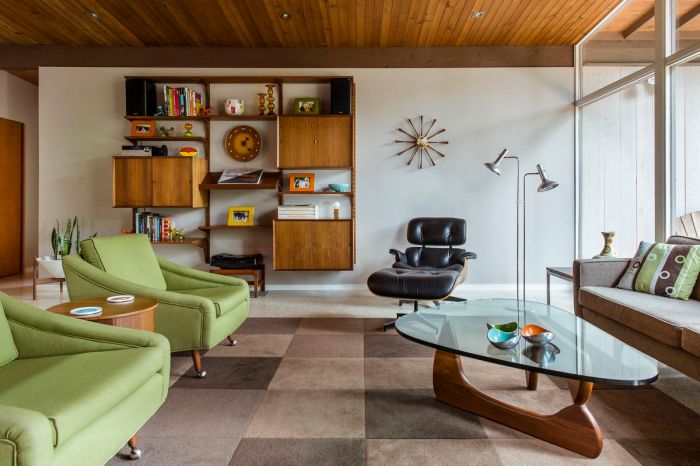
Mid-century modern furniture sets the stage for this enthralling narrative, offering readers a glimpse into a story that is rich in detail and brimming with originality from the outset. Explore the characteristics, design elements, and comparisons with other styles in this captivating overview.
Mid-century modern furniture
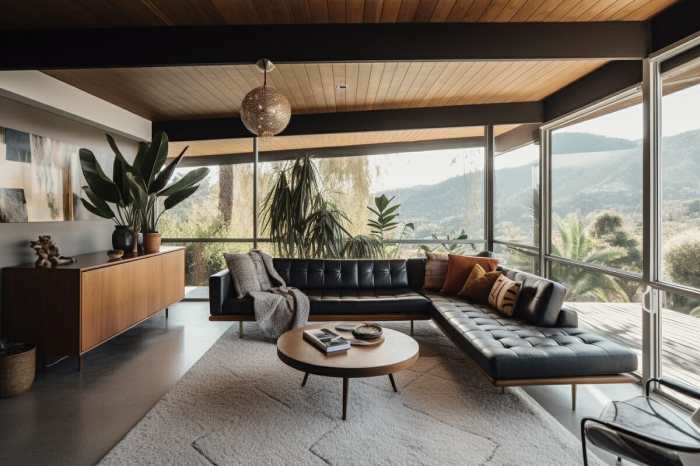
Mid-century modern furniture refers to a design style that originated in the mid-20th century, particularly in the post-World War II era. This style is characterized by clean lines, organic forms, and minimal ornamentation, focusing on functionality and simplicity.
Characteristics of mid-century modern furniture
- Simple and clean lines: Mid-century modern furniture often features sleek, straight lines with gentle curves, avoiding excessive ornamental details.
- Organic shapes: Designs in this style incorporate natural, organic shapes inspired by nature, such as curved edges and tapered legs.
- Mix of materials: Mid-century modern furniture combines materials like wood, metal, and glass to create a harmonious and balanced look.
- Functional and practical: Furniture pieces are designed to be both aesthetically pleasing and functional, with a focus on usability.
Key design elements of mid-century modern furniture
- Atomic age influence: Mid-century modern furniture often reflects the optimism and innovation of the Atomic Age, with space-age forms and futuristic designs.
- Use of natural materials: Wood, especially teak, walnut, and rosewood, is commonly used in mid-century modern furniture to bring warmth and natural beauty to the pieces.
- Eames lounge chair: The iconic Eames lounge chair, designed by Charles and Ray Eames, is a quintessential example of mid-century modern furniture, featuring a molded plywood shell and leather upholstery.
Comparison with other furniture styles
- Traditional furniture: Mid-century modern furniture differs from traditional styles by its focus on simplicity and functionality, as opposed to ornate details and intricate carvings.
- Contemporary furniture: While contemporary furniture may share some similarities with mid-century modern design, the latter is distinct in its vintage aesthetic and timeless appeal.
- Art Deco furniture: Art Deco furniture, characterized by its geometric shapes and luxurious materials, contrasts with the more understated and minimalist approach of mid-century modern design.
Home Inspections
Home inspections play a crucial role in assessing the quality of furniture, including mid-century modern pieces. These inspections help potential buyers or collectors determine the condition, authenticity, and value of the furniture they are interested in.
Identifying Mid-century Modern Furniture Authenticity
- Examine the construction materials: Mid-century modern furniture is typically made of high-quality materials such as teak, rosewood, and walnut. Inspections can help in verifying the authenticity of these materials.
- Check for unique design elements: Mid-century modern furniture often features distinctive design elements like clean lines, organic shapes, and tapered legs. Home inspections can help in identifying these characteristics.
- Look for manufacturer labels or stamps: Many mid-century modern furniture pieces have manufacturer labels or stamps that indicate the brand and authenticity of the furniture. Inspections can help in locating and verifying these labels.
Common Issues Found During Home Inspections
- Structural damage: Home inspections can reveal structural issues such as loose joints, cracks, or warping in mid-century modern furniture, affecting its stability and longevity.
- Wear and tear: Inspections may uncover signs of wear and tear like scratches, dents, or fading on the surface of the furniture, impacting its overall appearance and value.
- Missing or replaced parts: Some mid-century modern furniture pieces may have missing or replaced parts, affecting their originality and authenticity. Inspections can help in identifying these alterations.
Kitchen Improvements
Mid-century modern furniture can greatly enhance the aesthetic of a kitchen, adding a touch of retro charm and sleek design to the space. The clean lines, organic shapes, and innovative use of materials characteristic of mid-century modern design can transform a plain kitchen into a stylish and inviting area.
Examples of Mid-century Modern Furniture Pieces
- 1. Mid-century modern dining table with tapered legs and a sleek finish
- 2. Eames molded plastic chairs for a pop of color and iconic design
- 3. Teak wood sideboard for storage and display of kitchen essentials
- 4. Pendant lighting with a mid-century modern flair to illuminate the space
Incorporating Mid-century Modern Furniture
When incorporating mid-century modern furniture into a kitchen design, consider mixing vintage pieces with modern elements for a unique look. Opt for furniture in warm wood tones, vibrant hues, and geometric patterns to add interest to the space. Balance the retro feel with contemporary appliances and fixtures to create a harmonious blend of old and new.
Home Improvement and Furniture
When it comes to home improvement projects, the choice of furniture plays a crucial role in defining the overall aesthetic and style of the space. Mid-century modern furniture, with its clean lines, organic shapes, and minimalist design, is a popular choice for homeowners looking to create a cohesive and stylish look in their homes.
Integrating mid-century modern furniture into home improvement projects can help create a harmonious and timeless design that complements both modern and traditional spaces. The connection between home improvement and mid-century modern furniture lies in the focus on simplicity, functionality, and the use of natural materials.
Popular Trends that Complement Mid-century Modern Furniture
- Neutral Color Palettes: Opt for neutral colors like white, beige, and grey to create a clean and sophisticated look that enhances the beauty of mid-century modern furniture.
- Mixing Old and New: Blend vintage mid-century pieces with contemporary elements to add character and depth to your space.
- Natural Materials: Incorporate materials like wood, leather, and metal to enhance the organic and timeless appeal of mid-century modern furniture.
Tips for Integrating Mid-century Modern Furniture into Home Improvement Projects
- Focus on Functionality: Choose furniture pieces that not only look stylish but also serve a practical purpose in your space.
- Balance the Space: Mix different textures, shapes, and sizes to create a balanced and visually appealing layout that showcases your mid-century modern furniture.
- Accessorize Thoughtfully: Add in decor elements like geometric patterns, abstract art, and statement lighting to enhance the mid-century modern vibe of your space.
Flooring
When it comes to enhancing the aesthetics of mid-century modern furniture, the choice of flooring plays a crucial role. The right flooring can complement the clean lines, organic shapes, and minimalist design of mid-century modern pieces, creating a cohesive and stylish look for your space.
Flooring Materials for Mid-century Modern Furniture
Here are some flooring materials that pair well with mid-century modern furniture:
- Hardwood: Hardwood floors, such as oak or walnut, are a popular choice for mid-century modern interiors. The warm tones and natural textures of hardwood flooring complement the organic elements often found in mid-century modern furniture.
- Cork: Cork flooring is a sustainable and stylish option for mid-century modern spaces. Its soft texture and earthy tones add warmth and comfort to the room, while also providing sound insulation.
- Concrete: Polished concrete floors with their smooth finish and neutral color palette can be an excellent backdrop for showcasing mid-century modern furniture. The clean lines of concrete flooring enhance the minimalist aesthetic of mid-century modern design.
Tips for Selecting Flooring for Mid-century Modern Furniture
Here are some tips to help you select the right flooring to complement your mid-century modern furniture:
- Consider the color palette: Choose flooring colors that harmonize with the tones of your mid-century modern furniture. Neutral colors like whites, grays, and warm browns work well to create a cohesive look.
- Embrace simplicity: Opt for flooring materials with clean lines and minimal patterns to maintain the sleek and uncluttered look of mid-century modern design.
- Focus on texture: Incorporate flooring with natural textures like wood grain or subtle patterns to add depth and visual interest to the space without overpowering the furniture.
Furniture
Mid-century modern furniture is known for its sleek lines, organic shapes, and minimalist designs that rose to popularity in the mid-20th century. This style of furniture continues to be highly sought after for its timeless appeal and versatility in various interior design settings.
Types of Mid-century Modern Furniture
- 1. Lounge Chairs: Iconic mid-century modern lounge chairs often feature tapered legs, clean lines, and organic curves. Popular examples include the Eames Lounge Chair and the Barcelona Chair.
- 2. Sideboards and Credenzas: These storage pieces are characterized by their long, low profiles and often feature a combination of drawers, cabinets, and open shelving.
- 3. Coffee Tables: Mid-century modern coffee tables typically have simple, geometric designs with a focus on quality craftsmanship and natural materials like wood and glass.
- 4. Dining Chairs: Dining chairs in the mid-century modern style often feature sculptural forms, tapered legs, and ergonomic designs for both comfort and style.
- 5. Sofas and Sectionals: Mid-century modern sofas and sectionals are known for their clean lines, tufted upholstery, and modular designs that offer flexibility in seating arrangements.
Tips for Caring for Mid-century Modern Furniture
- 1. Regular Cleaning: Dust and wipe down your furniture regularly with a soft, dry cloth to prevent dirt and grime buildup.
- 2. Avoid Direct Sunlight: Keep your mid-century modern furniture away from direct sunlight to prevent fading and damage to wood finishes.
- 3. Use Furniture Polish: Use a mild furniture polish specifically designed for wood to maintain the luster and condition of your furniture.
- 4. Handle with Care: Avoid dragging or sliding furniture across floors to prevent scratches and damage to the legs or frames.
- 5. Professional Restoration: Consider professional restoration services for vintage or antique mid-century modern pieces to preserve their original beauty.
Sustainability in Mid-century Modern Furniture Production
Mid-century modern furniture production often prioritizes sustainable materials, quality craftsmanship, and timeless design principles that contribute to the longevity and eco-friendliness of the pieces. Many manufacturers use responsibly sourced wood, non-toxic finishes, and eco-friendly production practices to reduce environmental impact and promote sustainability in the furniture industry.
Green Living
Mid-century modern furniture aligns well with green living principles due to its focus on sustainability and eco-friendliness. The use of natural materials, simple designs, and durability makes it a popular choice for those looking to reduce their environmental impact.
Eco-friendly Materials in Mid-century Modern Furniture
Mid-century modern furniture often utilizes eco-friendly materials such as:
- Wood from sustainably managed forests
- Bamboo, a fast-growing and renewable resource
- Recycled or upcycled materials
- Natural fabrics like wool, cotton, and linen
Sustainable Practices in Production
Manufacturers of mid-century modern furniture often employ sustainable practices to reduce waste and energy consumption:
- Using water-based finishes instead of toxic chemicals
- Minimizing packaging materials and opting for recyclable packaging
- Working with local artisans to reduce transportation emissions
- Designing pieces that are built to last, reducing the need for frequent replacements
Interior Design and Decorating
Mid-century modern furniture has had a significant influence on interior design trends over the years. Its sleek lines, organic shapes, and minimalistic approach have become staples in modern design. Incorporating mid-century modern furniture into different decorating styles can add a touch of retro charm or a modern twist to any space. The impact of mid-century modern furniture on overall interior aesthetics is undeniable, as it brings a sense of timelessness and sophistication to any room.
Tips for Incorporating Mid-Century Modern Furniture
When incorporating mid-century modern furniture into different decorating styles, consider the following tips:
- Mix and match: Pair mid-century modern furniture with contemporary pieces to create a unique look.
- Focus on key pieces: Choose a statement mid-century modern furniture piece as the focal point of the room.
- Play with colors: Experiment with bold colors and patterns to add a pop of personality to the space.
- Add texture: Incorporate different textures like wood, leather, and metal to create visual interest.
Impact of Mid-Century Modern Furniture on Interior Aesthetics
Mid-century modern furniture has a profound impact on overall interior aesthetics:
- Timeless appeal: The clean lines and organic shapes of mid-century modern furniture offer a timeless appeal that never goes out of style.
- Functional design: Mid-century modern furniture is known for its functional design, making it both stylish and practical for everyday use.
- Versatile style: Mid-century modern furniture can be easily integrated into various interior design styles, from minimalist to eclectic.
- Elevated aesthetics: The sleek and sophisticated look of mid-century modern furniture elevates the aesthetics of any space, creating a sense of sophistication and elegance.
Bath and Shower
When it comes to integrating mid-century modern furniture into bathroom design, there are several ways to achieve a cohesive and stylish look. The clean lines, organic shapes, and minimalist aesthetic of mid-century modern furniture can complement a bathroom space beautifully. From vanities to storage cabinets, incorporating these pieces can add a touch of retro charm to your bathroom.
Challenges and Opportunities
- Challenges: One of the main challenges of using mid-century modern furniture in bath and shower spaces is the potential for water damage. Not all pieces are designed to withstand high humidity levels and constant exposure to moisture. It is crucial to choose pieces made from water-resistant materials or to treat them with a protective sealant.
- Opportunities: The opportunity to create a unique and stylish bathroom design with mid-century modern furniture is immense. Pieces like a sleek vanity with tapered legs, a statement mirror with a walnut frame, or a vintage-inspired storage cabinet can elevate the overall look of the space and bring a sense of nostalgia.
Examples of Furniture Pieces
- Vanity with Tapered Legs: A vanity with tapered legs and a simple, clean design can instantly add a mid-century modern touch to your bathroom. Look for pieces with a warm wood finish or a bold pop of color to make a statement.
- Walnut Framed Mirror: A walnut framed mirror not only serves a functional purpose but also adds a touch of elegance to the bathroom. The rich wood tone and clean lines of the frame are quintessentially mid-century modern.
- Vintage-inspired Storage Cabinet: For added storage and style, consider incorporating a vintage-inspired storage cabinet with geometric patterns or bold colors. This piece can become a focal point in the bathroom while providing practical storage solutions.
House Plans
When designing a house plan, incorporating mid-century modern furniture can have a significant impact on the overall layout and functionality of the space.
It is essential to consider furniture placement in house plans to ensure that there is enough room for the pieces to shine and create a cohesive design. Mid-century modern furniture often features clean lines, organic shapes, and a minimalist aesthetic, so the layout should complement these characteristics.
Influencing House Plans
Mid-century modern furniture can influence house plans by inspiring open floor designs that promote seamless flow between rooms. Consider incorporating built-in storage solutions and multifunctional furniture pieces to maximize space and maintain a clutter-free environment.
Importance of Furniture Placement
- Placement of mid-century modern furniture can enhance the architectural features of a house plan, such as exposed beams, large windows, and open spaces.
- Proper furniture placement can also create designated areas for relaxation, entertainment, and work, ensuring that each space serves its purpose effectively.
- Strategic placement of furniture can improve traffic flow and accessibility, making the living environment more comfortable and functional.
Design Elements for Mid-Century Modern Furniture
- Incorporate geometric patterns, natural materials, and pops of vibrant colors to complement mid-century modern furniture in house plans.
- Opt for sleek, streamlined furniture pieces with tapered legs and smooth surfaces to maintain the minimalist aesthetic of mid-century modern design.
- Integrate mid-century modern lighting fixtures, such as iconic pendant lamps and floor lamps, to enhance the overall ambiance of the space.
Feng Shui
Feng Shui is an ancient Chinese practice that focuses on creating harmony and balance in the environment to promote positive energy flow. When incorporating mid-century modern furniture into a space, it is important to consider how it aligns with Feng Shui principles to enhance the overall energy of the room.
Alignment with Feng Shui Principles
Mid-century modern furniture can align well with Feng Shui principles due to its clean lines, simple shapes, and emphasis on functionality. The minimalist design of mid-century modern furniture allows for a clutter-free environment, which is essential in Feng Shui to promote good energy flow.
- Place mid-century modern furniture in a way that allows for a clear pathway and promotes easy movement throughout the room. Avoid blocking doorways or windows with furniture to ensure a smooth flow of energy.
- Choose furniture pieces with natural materials such as wood, leather, or metal to create a grounding effect in the space. These materials help to connect the furniture to the natural elements, which is important in Feng Shui.
- Opt for furniture with rounded edges and curves instead of sharp corners, as this promotes a more gentle and flowing energy in the room.
Examples of Mid-century Modern Furniture Arrangements
When arranging mid-century modern furniture in a space to promote positive energy flow according to Feng Shui, consider the following tips:
- Place a mid-century modern sofa facing the main entrance of the room to welcome guests and create a sense of openness.
- Position a mid-century modern coffee table in the center of the room to encourage conversation and social interaction among occupants.
- Use mid-century modern chairs with ergonomic designs to promote comfort and relaxation in the space.
Heating and Air Conditioning
Maintaining the optimal temperature and humidity levels in your home is crucial for the preservation of mid-century modern furniture. Heating and air conditioning systems play a significant role in this preservation process, impacting the longevity and condition of your furniture pieces.
Impact on Maintenance of Mid-Century Modern Furniture
Heating and air conditioning systems can directly affect the maintenance of mid-century modern furniture. Fluctuations in temperature and humidity levels can cause wood to expand or contract, leading to warping, cracking, or splitting of the furniture pieces. Excessive dryness or humidity can also damage the finish and overall integrity of the furniture.
Tips for Regulating Indoor Temperature
- Keep the indoor humidity levels between 40-60% to prevent wood from drying out or absorbing too much moisture.
- Avoid placing mid-century modern furniture near vents, radiators, or direct sunlight to prevent exposure to extreme temperature changes.
- Use a humidifier or dehumidifier to maintain consistent humidity levels, especially during extreme weather conditions.
- Regularly dust and clean your furniture to prevent dirt buildup, which can trap moisture and lead to damage over time.
Influence on Choice of Materials
When selecting mid-century modern furniture, consider the materials used in construction in relation to your heating and air conditioning systems. Materials like solid wood, teak, and walnut are known for their durability and ability to withstand fluctuations in temperature and humidity, making them suitable choices for environments with varying climate conditions.
As we wrap up our exploration of Mid-century modern furniture, we are left with a deep appreciation for its impact on design trends and aesthetics. The timeless appeal and sustainable aspects make it a versatile choice for any home improvement project. Dive into the world of Mid-century modern furniture and elevate your living space with its iconic style.
FAQ Overview
How can I distinguish mid-century modern furniture from other styles?
To identify mid-century modern furniture, look for clean lines, organic shapes, and a mix of traditional and non-traditional materials that define this iconic style.
What are some popular materials used in mid-century modern furniture production?
Common materials include teak, walnut, and rosewood for furniture pieces, while metals like aluminum and steel are also prevalent in the design.
Is mid-century modern furniture sustainable?
Yes, mid-century modern furniture often prioritizes sustainability by using natural and eco-friendly materials, making it a conscious choice for environmentally-friendly design enthusiasts.


