
Flooring trends for modern homes sets the stage for this enthralling narrative, offering readers a glimpse into a story that is rich in detail with casual formal language style and brimming with originality from the outset.
When it comes to modern homes, the flooring choices can make a significant impact on the overall aesthetic and functionality of a space. From innovative materials to trendy patterns, the evolution of flooring trends has been nothing short of fascinating. Let’s delve into the world of flooring trends for modern homes and explore the latest designs that are shaping contemporary interiors.
Flooring Trends for Modern Homes
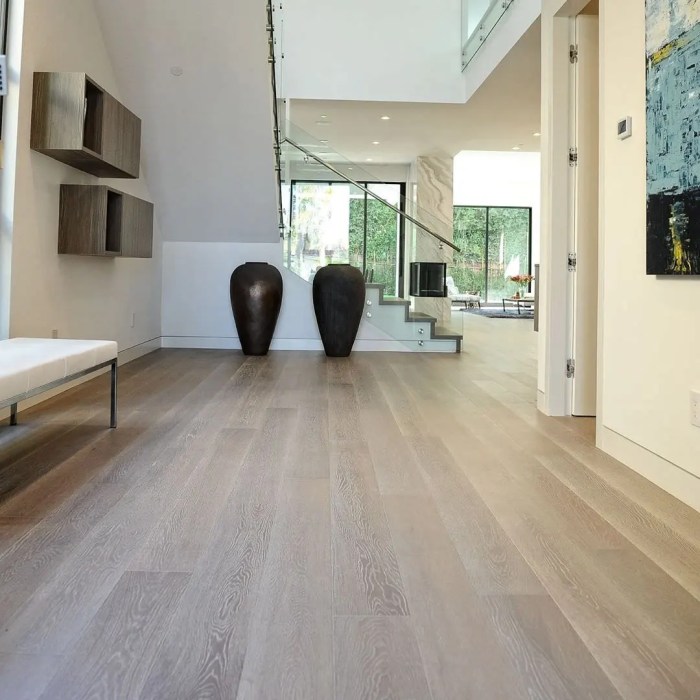
When it comes to modern homes, flooring trends play a crucial role in setting the overall aesthetic of the space. Let’s explore the latest flooring materials, color schemes, patterns, and sustainable options that are popular in modern homes today.
Latest Flooring Materials
- Luxury Vinyl Plank (LVP): Known for its durability and waterproof properties, LVP is a popular choice for modern homes.
- Porcelain Tile: With its versatility and wide range of colors and patterns, porcelain tile is a favorite for modern flooring designs.
- Bamboo Flooring: Sustainable and eco-friendly, bamboo flooring is becoming increasingly popular in modern homes.
Evolution of Modern Flooring Trends
- Modern flooring trends have evolved from traditional hardwood and carpet options to more innovative materials like concrete and cork.
- Designers are now focusing on creating seamless transitions between different flooring materials for a cohesive look.
Color Schemes and Patterns
- Neutral tones like greys, whites, and beiges are commonly used in modern flooring designs to create a clean and minimalist look.
- Geometric patterns and bold colors are also emerging trends in modern homes, adding a touch of personality and flair to the space.
Sustainable Flooring Options
- Cork Flooring: Harvested from the bark of cork oak trees, cork flooring is a renewable and biodegradable option for eco-friendly modern homes.
- Reclaimed Wood: Using reclaimed wood from old barns or factories not only adds character to the space but also promotes sustainability by reducing the demand for new materials.
Home Inspections
Regular home inspections are crucial for maintaining a safe living environment for you and your family. By identifying potential issues early on, you can prevent costly repairs and ensure the overall safety and well-being of your home.
Areas to Inspect During Routine Home Inspections
- Roof: Check for any missing or damaged shingles, leaks, or signs of water damage.
- Foundation: Look for cracks, shifting, or any other structural issues.
- Plumbing: Inspect for leaks, water pressure problems, or corrosion in pipes.
- Electrical System: Ensure all outlets are functioning properly, and there are no exposed wires.
- HVAC System: Check for proper functioning of heating and cooling systems.
- Attic and Basement: Look for signs of mold, water damage, or pests.
Uncovering Hidden Issues
Home inspections can reveal hidden issues like mold, water damage, or structural problems that may not be visible to the naked eye. Addressing these issues promptly can prevent further damage and potential health hazards for you and your family.
Finding a Reliable Home Inspector
When looking for a home inspector, make sure to choose a qualified and experienced professional. Ask for recommendations from friends or family, check online reviews, and verify their credentials and certifications. A thorough home inspection by a reliable inspector can provide you with peace of mind and help you make informed decisions about your home.
Kitchen Improvements
When it comes to modern homes, the kitchen is often the heart of the house, and keeping it up to date with the latest trends and technologies can greatly enhance its functionality and aesthetic appeal.
Latest Trends in Kitchen Design
One of the latest trends in kitchen design is the use of mixed materials, such as combining wood and metal or concrete and marble, to create a unique and personalized look. Open shelving and minimalistic design are also popular choices for a modern kitchen.
Countertop Materials
- Quartz: Known for its durability and low maintenance, quartz countertops are a popular choice for modern kitchens.
- Marble: Despite its high maintenance requirements, marble countertops are favored for their timeless elegance and luxury appeal.
- Butcher Block: For a more natural and warm feel, butcher block countertops are a great option that adds warmth and character to the kitchen.
Smart Kitchen Technologies
Smart kitchen technologies are revolutionizing the way we cook and interact with our kitchens. From smart appliances that can be controlled remotely to touchless faucets and voice-activated assistants, these innovations are making cooking more convenient and efficient than ever.
Budget-Friendly Upgrades
- Painting Cabinets: A fresh coat of paint can instantly transform outdated cabinets and give your kitchen a modern look without breaking the bank.
- Replacing Hardware: Swapping out old cabinet hardware for sleek, modern handles and knobs can make a big difference in the overall appearance of your kitchen.
- Energy-Efficient Appliances: Investing in energy-efficient appliances not only saves you money in the long run but also adds a modern touch to your kitchen.
Home Improvement and Furniture
When it comes to home improvement, furniture plays a crucial role in enhancing the overall design and functionality of a modern home. The right furniture choices can elevate the aesthetic appeal of a space while also maximizing its usability.
Choosing Furniture that Complements Modern Home Design
- Select furniture pieces with clean lines, sleek finishes, and minimalist designs to complement the modern aesthetic of your home.
- Opt for neutral colors or bold accents that harmonize with the color palette of the room and add visual interest without overwhelming the space.
- Consider the scale of the furniture in relation to the size of the room to ensure a balanced and proportionate look.
Enhancing Functionality Through Furniture Placement
- Arrange furniture in a way that promotes flow and functionality within each living space, ensuring easy movement and access to key areas.
- Use furniture strategically to define different zones within an open-concept layout, creating designated areas for relaxation, work, and socializing.
- Experiment with versatile furniture pieces that can serve multiple functions, such as storage ottomans or extendable dining tables, to maximize space efficiency.
DIY Home Improvement Projects with Furniture Upgrades
- Repurpose old furniture with a fresh coat of paint or new hardware to give it a modern and updated look.
- Create custom furniture pieces using budget-friendly materials like reclaimed wood or upcycled items for a unique and personalized touch.
- Explore DIY furniture hacks, such as adding casters to a coffee table for mobility or installing floating shelves for additional storage, to enhance both style and functionality in your home.
Flooring
When it comes to flooring options for modern homes, there are several materials to choose from. Each type of flooring has its own advantages and drawbacks, so it’s important to consider factors like durability, maintenance, and aesthetics before making a decision.
Types of Flooring Materials
- Hardwood: Hardwood flooring is known for its timeless elegance and durability. It can add warmth and character to any room, but it requires regular maintenance to keep it looking its best.
- Laminate: Laminate flooring is a cost-effective alternative to hardwood that mimics the look of wood. It is easy to install and maintain, but it may not be as durable as hardwood.
- Vinyl: Vinyl flooring is a versatile option that comes in a wide range of styles and colors. It is easy to clean and water-resistant, making it ideal for high-traffic areas like kitchens and bathrooms.
- Tile: Tile flooring is durable, moisture-resistant, and available in various designs. It is a popular choice for kitchens and bathrooms, but it can be cold underfoot.
Choosing the Right Flooring
When selecting a flooring material, consider the room’s function and traffic. For high-traffic areas like entryways and living rooms, opt for durable options like hardwood or laminate. In moisture-prone areas like bathrooms, vinyl or tile flooring may be more suitable.
Creative Flooring Ideas
- Combine different types of flooring materials to create visual interest and define separate areas within a room.
- Experiment with bold patterns or colors to add a pop of personality to your floors.
- Consider eco-friendly flooring options like bamboo or cork for a sustainable and stylish choice.
Furniture
When it comes to modern homes, furniture plays a crucial role in defining the style and functionality of a space. Let’s explore the latest trends in furniture design for contemporary living.
Style, Materials, and Colors
Modern furniture trends often lean towards sleek and minimalist designs. Clean lines, geometric shapes, and a blend of materials like metal, glass, and wood are commonly seen in modern furniture pieces. Neutral colors such as white, grey, and black are popular choices, with occasional pops of bold colors for accent pieces.
Ergonomic and Multi-functional Furniture
Choosing ergonomic and multi-functional furniture is essential for modern living spaces where efficiency and comfort are key. Look for pieces that offer storage solutions, adjustable features, and ergonomic support to enhance the overall living experience.
Tips for Furniture Arrangement
- Consider the flow of the room and create designated areas for different activities.
- Use furniture to define spaces and create a cohesive design scheme.
- Opt for furniture with exposed legs to create a sense of space and lightness in the room.
- Experiment with different layouts to find the most functional and visually appealing arrangement.
Luxurious Furniture Pieces
For a touch of luxury in modern interiors, consider investing in statement furniture pieces such as a velvet tufted sofa, a marble coffee table, or a designer armchair. These pieces not only add sophistication to the space but also showcase your personal style and taste.
Green Living
Green living is a lifestyle that focuses on reducing one’s carbon footprint and promoting sustainability in everyday choices. It involves using resources efficiently, minimizing waste, and opting for eco-friendly alternatives.
Importance of Green Living in Modern Homes
Embracing green living in modern homes is crucial for the environment and our well-being. By incorporating eco-friendly practices, we can reduce energy consumption, lower utility bills, and create healthier living spaces.
Eco-Friendly Home Improvement Practices
- Invest in energy-efficient appliances to reduce electricity usage and save money in the long run.
- Use sustainable materials like bamboo flooring or reclaimed wood for a more environmentally friendly home design.
- Opt for low-VOC paints and finishes to improve indoor air quality and reduce harmful emissions.
Reducing Carbon Footprint through Sustainable Living Choices
- Choose public transportation, carpooling, or biking instead of driving alone to reduce greenhouse gas emissions.
- Recycle, compost, and minimize waste to divert materials from landfills and conserve resources.
- Conserve water by fixing leaks, installing water-saving fixtures, and using drought-resistant landscaping.
Incorporating Green Elements into Modern Home Designs
- Add indoor plants to improve air quality, reduce stress, and enhance the aesthetic appeal of your living spaces.
- Maximize natural light through large windows, skylights, or light tubes to reduce the need for artificial lighting and save energy.
- Implement rainwater harvesting systems, solar panels, or green roofs to harness renewable resources and minimize environmental impact.
Interior Design and Decorating
Interior design plays a crucial role in shaping the aesthetic appeal of modern homes, creating a harmonious and visually pleasing environment. It involves selecting color palettes, textures, and decor elements that not only reflect personal style but also enhance the overall ambiance of the space.
Choosing Color Palettes, Textures, and Decor Elements
When selecting color palettes for modern interiors, consider opting for neutral tones like whites, grays, and beiges as a base, and adding pops of color through accent pieces or artwork. Incorporating different textures such as wood, metal, glass, and textiles can add depth and visual interest to the space. When choosing decor elements, aim for a mix of contemporary and timeless pieces that complement each other and create a cohesive look.
Creating a Cohesive Design Scheme
To achieve a cohesive design scheme, start by defining your personal style and preferences. Whether you prefer a minimalist approach or lean towards a more eclectic look, ensure that all elements in the space work together harmoniously. Consider the scale, proportion, and balance of furniture and decor items to create a sense of unity and flow throughout the room.
Influence of Minimalism and Scandinavian Design
Minimalism and Scandinavian design have had a significant influence on modern interior trends, emphasizing simplicity, functionality, and clean lines. Incorporating elements of these styles, such as decluttered spaces, natural materials, and a neutral color palette, can help create a modern and inviting atmosphere in your home.
Bath and Shower
When it comes to designing a modern bathroom, the bath and shower area play a crucial role in setting the tone for the space. From sleek and minimalist designs to luxurious spa-like features, the latest trends in bathroom design focus on creating a relaxing and functional environment for daily use.
Popular Materials for Bathroom Design
- Porcelain Tiles: Durable and versatile, porcelain tiles are a popular choice for bathroom flooring and walls. They come in a variety of colors and patterns, allowing for endless design possibilities.
- Marble: Known for its elegance and sophistication, marble is often used to add a touch of luxury to bathroom spaces. It can be used for flooring, walls, and shower enclosures, creating a timeless look.
- Glass: Glass shower enclosures are a modern and stylish choice for creating a seamless and open feel in the bathroom. They can make a small space appear larger and allow natural light to flow through.
Optimizing Space in Small Bathrooms
- Wall-Mounted Fixtures: Opt for wall-mounted sinks, toilets, and storage units to free up floor space and create a more open and airy feel in small bathrooms.
- Light Colors: Use light colors for walls and flooring to make the space feel larger and more inviting. Avoid heavy patterns or dark colors that can make the room appear cramped.
- Mirrors: Install large mirrors to reflect light and create the illusion of a bigger space. Mirrored cabinets can also provide storage while visually expanding the room.
Luxury Upgrades in Bathrooms
- Steam Showers: Transform your shower into a spa-like experience with a steam shower that offers relaxation and rejuvenation benefits.
- Soaking Tubs: Create a luxurious retreat with a deep soaking tub that provides a relaxing and therapeutic bathing experience.
- High-Tech Fixtures: Upgrade your bathroom with high-tech features like smart toilets, sensor faucets, and LED shower heads for added convenience and comfort.
House Plans
When designing modern house plans, it is essential to consider the needs and preferences of contemporary living. This involves creating layouts that are both functional and aesthetically pleasing.
Open-Concept Floor Plans
Open-concept floor plans have become increasingly popular in modern homes as they create a sense of spaciousness and flow between different areas of the house. This layout often combines the kitchen, living, and dining areas into one large, open space.
Multi-Functional Spaces
Modern house plans often include multi-functional spaces that can serve different purposes depending on the homeowner’s needs. For example, a home office can double as a guest bedroom, or a loft area can be used as a playroom or entertainment space.
Outdoor Living Areas
Outdoor living areas are another key feature of modern house plans, allowing homeowners to extend their living space to the outdoors. This can include covered patios, outdoor kitchens, fire pits, and even rooftop gardens.
Customizing House Plans
Customizing house plans is a great way to achieve a modern design aesthetic that suits your specific preferences. This can involve adding unique architectural features, changing room layouts, or incorporating sustainable materials and energy-efficient technologies.
Innovative Architectural Designs
There are many innovative architectural designs that incorporate sustainable and energy-efficient features in modern homes. Examples include passive solar design, green roofs, smart home technologies, and eco-friendly building materials.
Feng Shui
Feng Shui is an ancient Chinese practice that focuses on creating harmony and balance in living spaces to promote well-being and positive energy flow. In modern home design, Feng Shui principles are increasingly being adopted to enhance the overall atmosphere and functionality of a space.
Principles of Feng Shui
- One of the key principles of Feng Shui is the arrangement of furniture to promote the flow of energy, known as “chi,” throughout the space.
- Colors play a significant role in Feng Shui, with each color representing different elements and emotions. For example, using earth tones in a living room can create a sense of stability and grounding.
- Clutter is believed to disrupt the flow of energy, so keeping the space clean and organized is essential in Feng Shui.
Applying Feng Shui in Modern Homes
- Positioning furniture in a way that allows for the easy flow of energy throughout the room can create a sense of balance and harmony.
- Integrating natural elements like plants and natural light can help bring positive energy into the space, according to Feng Shui principles.
- Avoid placing mirrors directly facing the bed or front door, as this is believed to disrupt the energy flow in the room.
Impact of Feng Shui on Well-being
- By following Feng Shui guidelines, individuals may experience improved focus, relaxation, and overall well-being in their living spaces.
- Creating a harmonious environment through Feng Shui practices can promote a sense of peace and tranquility within the home.
- Many modern homeowners are turning to Feng Shui to enhance the energy flow in their homes and create a more positive and inviting atmosphere.
Heating and Air Conditioning
Heating and air conditioning are essential components of modern homes, providing comfort and maintaining optimal indoor conditions. Proper selection and maintenance of heating and cooling systems are crucial for energy efficiency and indoor air quality.
Different Heating and Cooling Systems
- Forced Air Systems: Utilize ductwork to distribute heated or cooled air throughout the house.
- Radiant Heating: Heat is transferred directly to objects or surfaces in the room, providing consistent warmth.
- Ductless Mini-Split Systems: Ideal for room additions or homes without ductwork, offering zoned heating and cooling.
- Geothermal Heat Pumps: Use the ground’s consistent temperature to heat and cool the home efficiently.
Importance of Insulation and Energy-Efficient HVAC Systems
- Proper insulation helps in maintaining consistent indoor temperatures and reducing energy consumption.
- Energy-efficient HVAC systems can significantly lower utility bills and reduce environmental impact.
- Regular maintenance of HVAC systems ensures optimal performance and prolongs their lifespan.
Maintaining Indoor Air Quality
- Regularly change air filters to reduce dust and allergens in the air.
- Use a humidifier or dehumidifier to maintain proper humidity levels in the home.
- Consider installing air purifiers or UV lights to eliminate airborne pollutants and improve air quality.
Smart Home Technologies for HVAC Control
- Smart thermostats allow remote control of heating and cooling systems for energy savings.
- Zoned HVAC systems enable personalized temperature settings for different areas of the home.
- Integration with smart home assistants like Alexa or Google Home provides voice control over HVAC functions.
As we conclude our exploration of flooring trends for modern homes, it’s evident that the choices available today cater to a variety of design preferences and sustainability goals. Whether you opt for eco-friendly options or embrace bold patterns, the world of modern flooring is ripe with possibilities to elevate your living space. Embrace the trends, unleash your creativity, and transform your home into a stylish sanctuary that reflects your unique style.
FAQ Explained
What are some innovative flooring materials popular in modern homes?
Some innovative flooring materials gaining popularity in modern homes include bamboo, cork, and polished concrete. These materials offer unique aesthetics and eco-friendly benefits.
How have modern flooring trends evolved over the years?
Modern flooring trends have shifted towards sustainability, with a focus on eco-friendly materials and designs that prioritize durability and easy maintenance. Additionally, patterns and colors have become bolder and more diverse to add character to living spaces.
What are some sustainable flooring options suitable for eco-friendly modern homes?
Eco-friendly modern homes can benefit from sustainable flooring options such as reclaimed wood, recycled glass tiles, and natural linoleum. These choices not only minimize environmental impact but also add a unique touch to the interior design.


