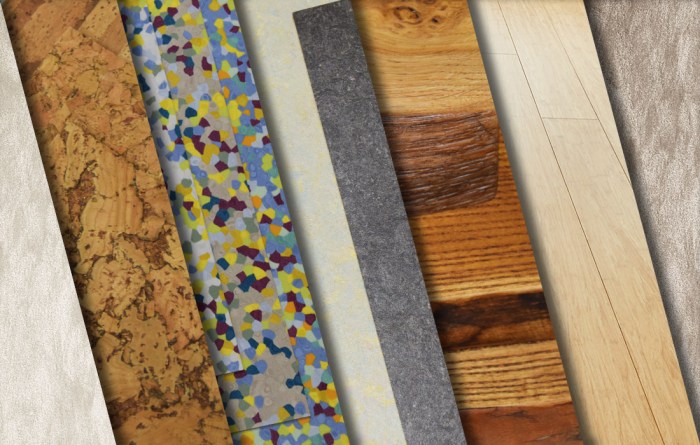
Embark on a journey exploring sustainable flooring materials, uncovering eco-friendly options, and discovering the environmental benefits they offer. Dive into a world where style meets sustainability for a greener future.
Explore the concept of sustainable flooring materials, learn about eco-friendly examples, and understand the positive impact on our planet.
Sustainable Flooring Materials
Sustainable flooring materials are those that are environmentally friendly and have a minimal impact on the planet. These materials are sourced, produced, and disposed of in a way that reduces harm to the environment and promotes sustainability.
Examples of Eco-Friendly Flooring Options
- Bamboo: Bamboo is a fast-growing grass that can be harvested sustainably for flooring. It is durable, renewable, and biodegradable.
- Cork: Cork is harvested from the bark of cork oak trees without cutting them down, making it a renewable resource. It is also naturally resistant to mold and mildew.
- Linoleum: Made from natural materials like linseed oil, cork dust, and wood flour, linoleum is biodegradable and emits fewer volatile organic compounds (VOCs) compared to other flooring options.
- Recycled Glass Tiles: These tiles are made from recycled glass bottles and jars, reducing waste and energy consumption in the production process.
Benefits of Using Sustainable Flooring Materials for the Environment
- Reduces Deforestation: By opting for sustainable flooring materials like bamboo and cork, you help reduce the demand for traditional hardwoods that contribute to deforestation.
- Lower Carbon Footprint: Eco-friendly flooring options often have a lower carbon footprint due to the use of renewable resources and energy-efficient production methods.
- Improves Indoor Air Quality: Many sustainable flooring materials emit fewer harmful chemicals, improving indoor air quality and reducing health risks for occupants.
- Promotes Sustainability: Choosing sustainable flooring materials supports environmentally responsible practices and encourages the use of renewable resources in the construction industry.
Home Inspections
Home inspections are a crucial step in the home buying process as they provide potential buyers with a comprehensive evaluation of the property’s condition. This helps buyers make informed decisions and understand the potential maintenance and repair costs associated with the property.
Key Areas Inspected During a Home Inspection
- Structural integrity: Inspectors assess the foundation, walls, roof, and overall structure of the home to ensure it is sound and safe.
- Electrical systems: Inspectors check the wiring, outlets, circuit breakers, and electrical panels to identify any potential safety hazards.
- Plumbing: Inspectors examine pipes, fixtures, water heaters, and sewage systems to ensure proper functionality and identify any leaks or issues.
- Heating, ventilation, and air conditioning (HVAC): Inspectors evaluate the HVAC systems to ensure they are working efficiently and effectively.
- Roofing: Inspectors assess the condition of the roof, looking for signs of damage, leaks, or wear and tear.
Impact on Decision-Making Process
Home inspections play a crucial role in the decision-making process for potential buyers. They provide valuable insights into the condition of the property and help buyers understand the potential risks and costs associated with the purchase. Based on the inspection report, buyers can negotiate repairs or ask for a lower price, ultimately helping them make an informed decision about whether to proceed with the purchase or not.
Kitchen Improvements
When it comes to sustainable kitchen improvements, there are various eco-friendly options available that can help reduce environmental impact while enhancing the overall look and functionality of your kitchen space. By incorporating sustainable practices and materials into your kitchen design, you can create a more eco-conscious and environmentally friendly living space.
Eco-Friendly Materials for Kitchen Renovations
- Choose bamboo flooring: Bamboo is a rapidly renewable resource that makes for a durable and stylish flooring option in the kitchen. It is also more sustainable than traditional hardwood flooring.
- Opt for reclaimed wood: Using reclaimed wood for cabinets, countertops, or flooring can add a unique and rustic touch to your kitchen while reducing the demand for new materials.
- Install energy-efficient appliances: Upgrading to energy-efficient appliances can help reduce energy consumption and lower utility bills in the long run.
Integrating Sustainable Practices into Kitchen Design
- Use non-toxic paints and finishes: Choose paints and finishes that are low in volatile organic compounds (VOCs) to improve indoor air quality and reduce harmful emissions.
- Maximize natural light: Incorporate large windows or skylights in your kitchen design to reduce the need for artificial lighting during the day, saving energy and creating a bright, airy space.
- Compost food waste: Setting up a composting system in your kitchen can help reduce landfill waste and provide nutrient-rich soil for gardening.
Home Improvement and Furniture
When it comes to home improvement and furniture choices, incorporating sustainable practices can make a significant impact on the environment. Choosing eco-friendly furniture not only benefits the planet but also enhances the overall aesthetics of your home. Here are some tips for selecting sustainable furniture pieces for your home:
Benefits of Eco-Friendly Furniture
- Reduces environmental impact by using recycled materials or sustainably sourced wood.
- Improves indoor air quality as eco-friendly furniture is often made with non-toxic materials.
- Supports ethical and responsible manufacturing practices, promoting a more sustainable industry.
- Durable and long-lasting, reducing the need for frequent replacements and waste generation.
Tips for Selecting Sustainable Furniture
- Look for certifications such as FSC (Forest Stewardship Council) to ensure wood comes from responsibly managed forests.
- Choose furniture made from reclaimed or recycled materials for a unique and eco-friendly touch.
- Opt for pieces that are modular or multifunctional to maximize functionality and space efficiency.
- Consider vintage or second-hand furniture to reduce demand for new production and support a circular economy.
Flooring
When it comes to choosing flooring materials, it’s important to consider both traditional options and sustainable alternatives. Sustainable flooring offers a variety of benefits, including environmental friendliness and potential cost savings in the long run.
One key aspect to compare between traditional flooring materials and sustainable alternatives is their durability and longevity. Sustainable flooring options such as bamboo, cork, and reclaimed wood are known for their strength and resilience, often outlasting traditional materials like carpet or vinyl. This longevity not only reduces the need for frequent replacements but also contributes to a more sustainable lifestyle by minimizing waste.
Indoor Air Quality Benefits
One significant advantage of choosing sustainable flooring is its contribution to a healthier indoor environment. Traditional flooring materials can emit harmful chemicals over time, negatively impacting indoor air quality. In contrast, sustainable flooring options are typically made from natural, non-toxic materials that do not off-gas harmful substances. This can lead to improved air quality in your home, reducing the risk of respiratory issues and creating a safer living space for you and your family.
Green Living
Green living refers to adopting lifestyle choices and practices that prioritize environmental sustainability, conservation of resources, and reducing one’s carbon footprint. It involves making conscious decisions to minimize harm to the planet and promote a healthier, more eco-friendly way of living.
Principles of Green Living
- Reduce, Reuse, Recycle: Embrace the mantra of reducing waste, reusing items whenever possible, and recycling materials to minimize the impact on the environment.
- Conserve Energy: Opt for energy-efficient appliances, switch to LED lighting, and practice energy-saving habits like turning off lights and unplugging devices when not in use.
- Sustainable Transportation: Choose walking, biking, carpooling, or public transportation over driving alone to reduce emissions and dependence on fossil fuels.
- Eco-Friendly Products: Use environmentally friendly products, such as organic cleaning supplies, biodegradable materials, and non-toxic paints and finishes.
Tips for Creating a Sustainable Living Space
- Use Renewable Materials: Opt for sustainable flooring materials like bamboo, cork, or reclaimed wood to reduce the environmental impact of your home.
- Reduce Water Usage: Install low-flow fixtures, fix leaks promptly, and consider rainwater harvesting to conserve water resources.
- Grow Your Own Food: Start a small vegetable garden or herb garden to enjoy fresh produce, reduce food miles, and minimize packaging waste.
- Compost Organic Waste: Turn kitchen scraps and yard waste into nutrient-rich compost for your garden, reducing landfill waste and enriching the soil.
Importance of Eco-Friendly Practices in Daily Life
- Preserve Natural Resources: By adopting eco-friendly practices, we help protect natural resources like water, air, and forests for future generations.
- Reduce Pollution: Eco-friendly practices aim to minimize pollution and waste, contributing to cleaner air, water, and soil for a healthier environment.
- Promote Sustainability: Incorporating eco-friendly practices into daily life promotes sustainable living, ensuring a balance between human needs and environmental preservation.
- Inspire Change: By leading by example and advocating for eco-friendly practices, we can inspire others to make sustainable choices and create a positive impact on the planet.
Interior Design and Decorating
When it comes to interior design and decorating, incorporating sustainable materials can have a significant impact on the environment and your overall well-being. By choosing eco-friendly options, you can create a space that not only looks beautiful but also promotes a healthier lifestyle.
Using Sustainable Materials in Interior Design
- Opt for reclaimed wood or bamboo flooring to add a touch of warmth and character to your space while reducing the demand for new resources.
- Choose low-VOC paint to minimize indoor air pollution and create a healthier living environment for you and your family.
- Consider using recycled glass or metal accents in your decor to add a unique and sustainable touch to your space.
Eco-Friendly Decorating Techniques
- Bring in plants to naturally purify the air and add a pop of color to your space.
- Upcycle old furniture or decor items to give them a new life and reduce waste.
- Use energy-efficient lighting options such as LED bulbs to reduce energy consumption and lower your carbon footprint.
Impact of Sustainable Interior Design
Sustainable interior design not only benefits the environment but also has a positive impact on your well-being. By creating a space that is free from harmful chemicals and promotes natural elements, you can improve air quality, reduce stress levels, and enhance overall comfort and happiness in your home.
Bath and Shower
When it comes to sustainable options for bathroom flooring and shower materials, there are several eco-friendly choices available that can help reduce your carbon footprint and create a healthier environment in your home.
Exploring water-efficient fixtures is essential for a sustainable bathroom design. By incorporating low-flow toilets, faucets, and showerheads, you can conserve water and reduce your water usage, ultimately contributing to a more sustainable lifestyle.
Creating a Spa-like Experience
- Consider using natural stone or ceramic tiles for bathroom flooring, as these materials are durable and long-lasting.
- Opt for recycled glass tiles or bamboo flooring for a more eco-friendly option that adds a unique touch to your bathroom design.
- Install a rainwater showerhead to mimic the experience of a soothing rainfall, while also saving water compared to traditional showerheads.
- Incorporate plants and natural light into your bathroom space to create a calming and rejuvenating atmosphere.
- Choose organic cotton towels and bath mats for a luxurious and sustainable addition to your bathroom.
Furniture
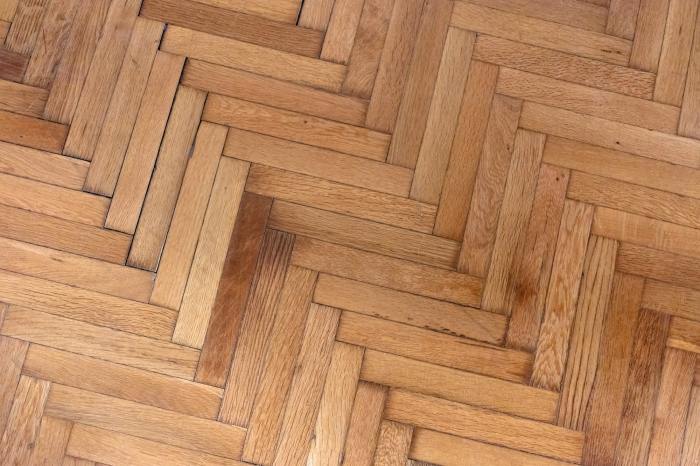
When it comes to furniture, sustainable materials play a crucial role in promoting eco-friendly practices and reducing environmental impact. From the choice of wood to the manufacturing process, there are various factors to consider when opting for sustainable furniture.
One of the most commonly used sustainable materials in furniture production is reclaimed wood. This type of wood is sourced from old structures like barns, warehouses, or factories, giving a second life to the material and reducing the need for new timber. Bamboo is another popular choice due to its fast growth rate and renewability, making it an eco-friendly alternative to traditional hardwoods.
Additionally, recycled metal and glass are also used in furniture design, further minimizing waste and promoting sustainability.
Craftsmanship and Quality
When it comes to eco-friendly furniture, craftsmanship and quality are key aspects to consider. Sustainable furniture is often handcrafted by skilled artisans who pay attention to detail and ensure durability. By using traditional techniques and high-quality sustainable materials, eco-friendly furniture pieces are not only environmentally friendly but also built to last for generations.
Innovative Designs
- Using recycled plastic to create modern and stylish chairs and tables.
- Designing furniture pieces with modular components for easy repair and customization.
- Incorporating salvaged materials like old doors or windows into unique and artistic furniture designs.
- Creating minimalist and functional furniture using sustainable materials like cork or hemp.
House Plans
House plans play a crucial role in incorporating sustainable features and promoting energy-efficient design. Building a sustainable home from the ground up requires careful planning and consideration of various factors.
Incorporating Sustainable Features
When designing house plans, it is essential to include sustainable features that reduce environmental impact and promote energy efficiency. Some key elements to consider include:
- Utilizing passive solar design to maximize natural light and heat.
- Choosing energy-efficient appliances and systems, such as HVAC and lighting.
- Using sustainable materials for construction, such as bamboo flooring and recycled wood.
- Incorporating green roofing systems to improve insulation and reduce stormwater runoff.
Importance of Energy-Efficient Design
Energy-efficient design in house plans is essential for reducing utility costs and minimizing environmental impact. By incorporating features such as proper insulation, high-efficiency windows, and renewable energy systems, homeowners can significantly decrease their carbon footprint and create a more sustainable living environment.
Tips for Building a Sustainable Home
Building a sustainable home from the ground up requires careful planning and attention to detail. Some tips to consider include:
- Consulting with a green building professional to develop an eco-friendly design.
- Optimizing the orientation of the house to maximize natural light and ventilation.
- Investing in high-quality insulation and air sealing to improve energy efficiency.
- Using water-saving fixtures and implementing rainwater harvesting systems.
Feng Shui
Feng Shui is an ancient Chinese practice that focuses on creating harmony and balance in living spaces. It emphasizes the flow of energy, or “chi,” to promote health, happiness, and prosperity. When incorporating sustainable practices into your home design, you can align with the principles of Feng Shui to create a more harmonious living environment.The connection between eco-friendly design and positive energy flow is clear in Feng Shui philosophy.
By using natural and sustainable materials, reducing waste, and promoting a healthy indoor environment, you can enhance the flow of positive energy throughout your home. This not only benefits your well-being but also contributes to a more sustainable lifestyle.
Tips for Creating a Harmonious and Sustainable Living Environment
- Choose natural and sustainable materials for flooring, furniture, and decor to promote a sense of balance and connection to nature.
- Avoid clutter and keep your space organized to allow energy to flow freely through your home.
- Use plants and natural light to bring in positive energy and create a vibrant and uplifting atmosphere.
- Consider the layout of your furniture and decorations to optimize energy flow and create a sense of harmony in each room.
- Keep your home clean and well-maintained to prevent stagnant energy and promote a healthy living environment.
Heating and Air Conditioning
Heating and air conditioning play a crucial role in the energy consumption of a home. Understanding sustainable options for heating and cooling, as well as optimizing HVAC systems for energy efficiency, is key to reducing the environmental impact of these systems.
Impact of Heating and Air Conditioning Systems on Energy Consumption
Heating and air conditioning systems can account for a significant portion of a home’s energy usage. Inefficient systems or poor insulation can lead to wasted energy and higher utility bills. By upgrading to energy-efficient systems and properly maintaining them, homeowners can reduce their energy consumption and environmental footprint.
Sustainable Options for Heating and Cooling a Home
- Consider installing a geothermal heat pump, which uses the earth’s natural heat to warm the home in winter and cool it in summer.
- Explore the option of solar panels to power a heat pump or air conditioning unit, reducing reliance on fossil fuels.
- Invest in a high-efficiency HVAC system with programmable thermostats to regulate temperature and reduce energy waste.
Tips for Optimizing HVAC Systems for Energy Efficiency
- Regularly clean and replace air filters to ensure proper airflow and system efficiency.
- Seal ductwork to prevent air leaks and improve the overall efficiency of the system.
- Use ceiling fans to circulate air and reduce the workload on the HVAC system, especially during milder weather.
In conclusion, sustainable flooring materials not only enhance the aesthetics of your space but also contribute to a healthier environment. Make a conscious choice for a more sustainable and stylish living.
Commonly Asked Questions
What are some common eco-friendly flooring options?
Popular eco-friendly flooring options include bamboo, cork, reclaimed wood, and linoleum.
How do sustainable flooring materials benefit the environment?
Sustainable flooring materials help reduce deforestation, promote healthier indoor air quality, and lower carbon footprint.
Are sustainable flooring options durable?
Yes, sustainable flooring materials are known for their durability and longevity, making them a worthwhile investment for your home.


